-
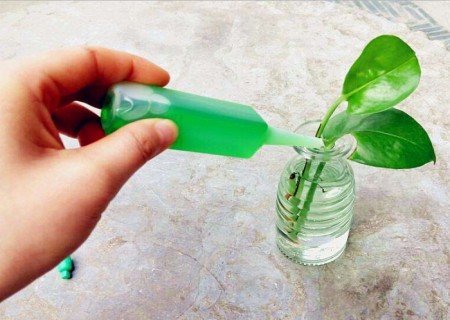
A Detailed Guide to Using Nutrient Solutions for Hydroponic Plants
Flowering plants need large amounts of nutrients for growth and blooming, so a nutrient solution must be added to the water to meet the needs of plant growth and flowering. Nutrient solutions can be purchased at specialist hydroponic flower shops, chosen according to the flower variety you intend to grow. When using it, however, you must strictly follow the dilution ratio on the instructions
-
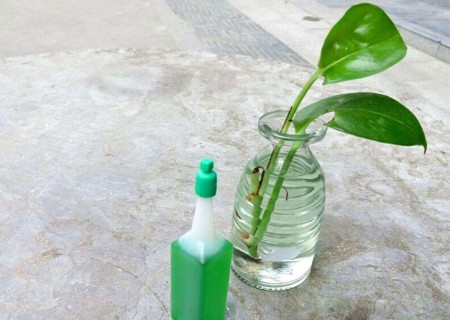
Homemade Hydroponic Plant Nutrient Solution (Formula and Preparation Method)
Hydroponic plants, as the name suggests, are plants grown in water. So how do you provide nutrients for flowers and plants grown in water? This has become quite a headache for many flower and vegetable growers. Maintaining fertilizer efficiency for hydroponic plants no longer requires ordinary fertilizer, but rather a type of attractive fertilizer.
-

The correct way to add nutrient solution to lucky bamboo grown in water
Experienced friends all know that to make lucky bamboo grown in water at home grow quickly and become more robust, you need to supplement it with nutrient solution at the right time. So how do you add nutrient solution to lucky bamboo? This naturally is no challenge for experienced plant friends, but it often stumps beginners.
-
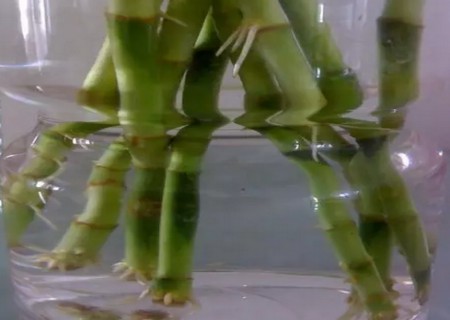
How to Make Your Own Nutrient Solution for Hydroponic Lucky Bamboo
Besides growing in soil, lucky bamboo can also be grown hydroponically, but modern households mostly use the hydroponic method for propagation. During hydroponic cultivation, the water level must be appropriate; do not add too much water to the container. Usually, submerging a little more than one third of the plant's length is sufficient; submerging up to two thirds of its length is not recommended. In addition
-
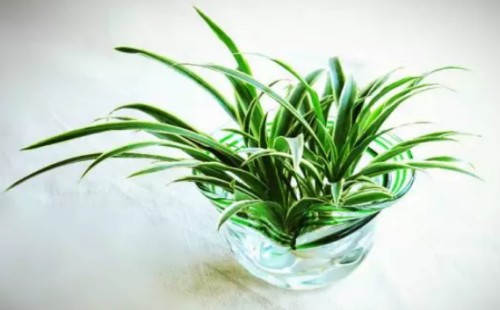
How to mix nutrient solution for hydroponic spider plants? Detailed formula guide
The roots of the spider plant are not only pure white but also very thick and strong, which makes them very ornamental when grown hydroponically. So a hydroponic spider plant can be enjoyed for its leaves, its roots, and even has a chance to bloom. Therefore, when growing spider plants hydroponically, we recommend choosing a transparent glass container. This is mainly to make it easy to admire the beautiful white roots
-
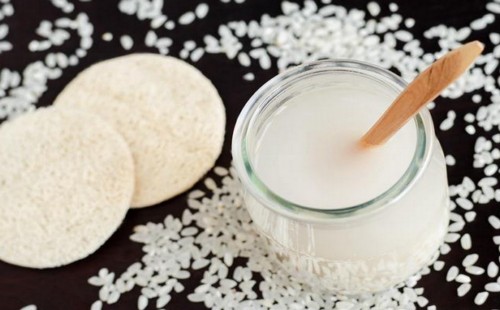
Detailed Method for Making Homemade Nutrient Solution for Hydroponic Pothos
Pothos can be grown not only in soil but also hydroponically. Hydroponic pothos usually requires regular water changes, combined with adding nutrient solution drop by drop. After all, pothos is an evergreen plant with large leaves, its stems and branches can grow very long, and it grows very quickly. To make it fill out a pot rapidly, it often needs a large supply of nutrients as support.
-
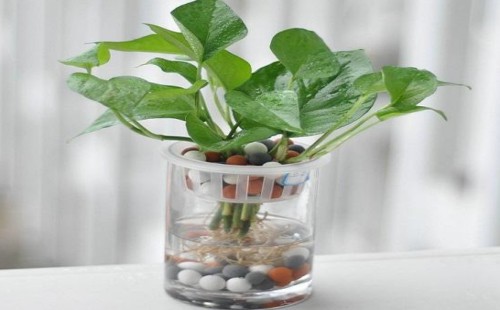
Hydroponic Pothos Nutrient Solution Recipe and Preparation Method
Place the potted pothos in a relatively shady spot on the balcony for care. Thanks to the moisture from rain and dew, the plant often grows very lush and vibrant. It can be seen that pothos likes a growing environment with good ventilation, shade, and rain moisture. In fact, pothos is an evergreen plant that prefers shade and acidic growing conditions.
-
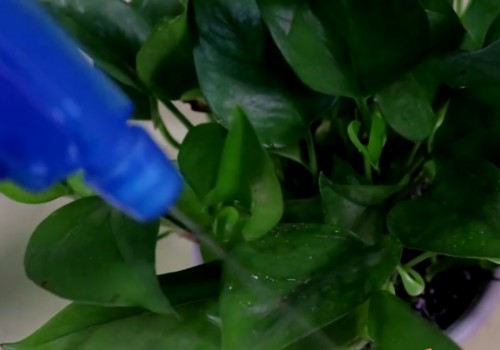
A Detailed Guide to Making Homemade Nutrient Solution for Hydroponic Pothos
Many plant lovers enjoy keeping a few potted green plants at home, and whether for practicality or ornamental value, pothos (Epipremnum aureum) is usually the first choice. Although it is generally seen as a very easy plant to grow, some plant lovers still cannot get it to thrive. Perhaps the poor growth of the pothos is due to a lack of nutrients.
-

Does cosmos planting need nutrient soil?
Cosmos is a perennial herbaceous plant with persistent roots, and as long as the temperature is suitable, it can usually be propagated by sowing. But different sowing and propagation times determine different flowering and viewing periods. However, cosmos in its natural growing environment often has a relatively tall plant form, but its stems and branches are relatively thin and weak, although the flowers are large and beautiful.
-
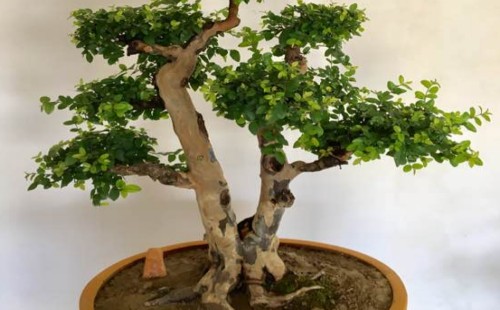
Can Sageretia be grown in nutrient soil? The answer is here
The roots and trunks of Sageretia thea (Chinese sweet plum) usually grow in very peculiar shapes, and the plant changes through the four seasons with a thousand varied forms, so its ornamental value is very high, making it an excellent source material for making bonsai. Not only that, Sageretia also has fairly strong adaptability to the environment, and its requirements for potting soil are not strict
条件筛选