Citrus fruits are rich in more than 30 kinds of nutrients
More than 30 kinds of health-promoting substances for the human body contained in citrus fruits have been identified so far, among which the main ones are: flavonoids, monoterpenes, coumarins, carotenoids, norisoprenoids, acridones, glyceroglycolipids, and so on. Flavonoids: The flavonoids contained in citrus fruits fall into three types: type i is the general flavonoids represented by rutin...
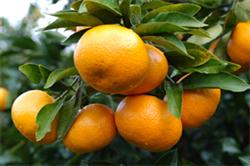
More than 30 kinds of health-promoting substances for the human body contained in citrus fruits have been identified so far, among which the main ones are: flavonoids, monoterpenes, coumarins, carotenoids, norisoprenoids, acridones, glyceroglycolipids, and so on.
Flavonoids: The flavonoids contained in citrus fruits fall into three types: type i is the general flavonoids represented by rutin; type ii is the flavanones unique to citrus fruits, such as hesperidin and naringin; type iii is the special flavonoids containing polymethoxy groups, such as citrus flavones, which have not yet been found in other vegetables and fruits and exist only in citrus.
Carotenoids: As is well known, many vegetables and fruits contain carotenoids, which play a major role in human health. Research on the physiological effects and mechanisms of carotenoids has developed rapidly in recent years, and our country has also used such substances to develop some health foods and achieved industrial-scale production.
Coumarins: The coumarins contained in citrus are currently recognized by scientists as anticancer substances. Research results show that there are mainly two pathways by which the anticancer effects of coumarins are formed: first, coumarins detoxify carcinogenic substances through the action of detoxifying enzymes; second, they antagonize carcinogenic substances and inhibit the activation of their metabolism. These two aspects mainly produce inhibitory effects in the initiation stage of cancer.
Monoterpenes and triterpenes: Citrus contains large amounts of terpenoids represented by (r)-limonene. Terpenes are the substances that constitute the distinctive fragrance of citrus and have the effect of calming the human central nervous system. Recent studies have also confirmed that they have the effect of reducing stress and can help people eliminate fatigue.
Limonin: Limonin is the bitter component of citrus juice beverages, and its content in citrus fruit is about 100-200 ppm. However, recent studies have found that limonin also has the effect of inhibiting tumors.
Other chemical components: This refers to the three compounds contained in citrus: norisoprenoids, acridones, and glyceroglycolipids.
The orange can be said to be a treasure from head to toe; its flesh, peel, seeds, and pith can all be used as medicine. After the outer peel of the orange is dried in the sun, it is called "chenpi" (because the medicinal effect is better when it is aged, hence the name chenpi). The white fibrous strands on the orange pulp are called "juluo" and contain a certain amount of vitamin (vitamin products, vitamin information) p, and have effects such as dredging collaterals, resolving phlegm, regulating qi, and relieving stagnation. Orange seeds are bitter in nature and flavor and non-toxic, have the effect of regulating qi and relieving pain, and can be used to treat hernia, low back pain, and other conditions. Even orange roots and orange leaves can also be used as medicine, with different effects such as soothing the liver, strengthening the spleen, and harmonizing the stomach. Eat more oranges to prevent alcoholic liver disease.
Orange flesh tastes sweet and is rich in nutrients, but because it is a cold-natured fruit, people with weak spleen and stomach should not eat too much. There are countless dietary therapy prescriptions using oranges; for example, when damage to body fluids causes dry lips and thirst, drinking more orange juice can both replenish water and increase nutrition. In addition, the root also has effects in treating cold stomach and vomiting, qi stagnation and food accumulation, indigestion, and other conditions.