-

How to Grow Bird's Nest Fern in Water? Master Temperature, Light, and Water Change Techniques
How to grow bird's nest fern in water? This article introduces the key care points for water-cultured bird's nest fern, including how to select plants and wash the roots, temperature and light requirements, misting and moisture retention techniques, adding nutrient solution, and water change frequency, to help you easily grow a bird's nest fern with glossy green leaves.
-
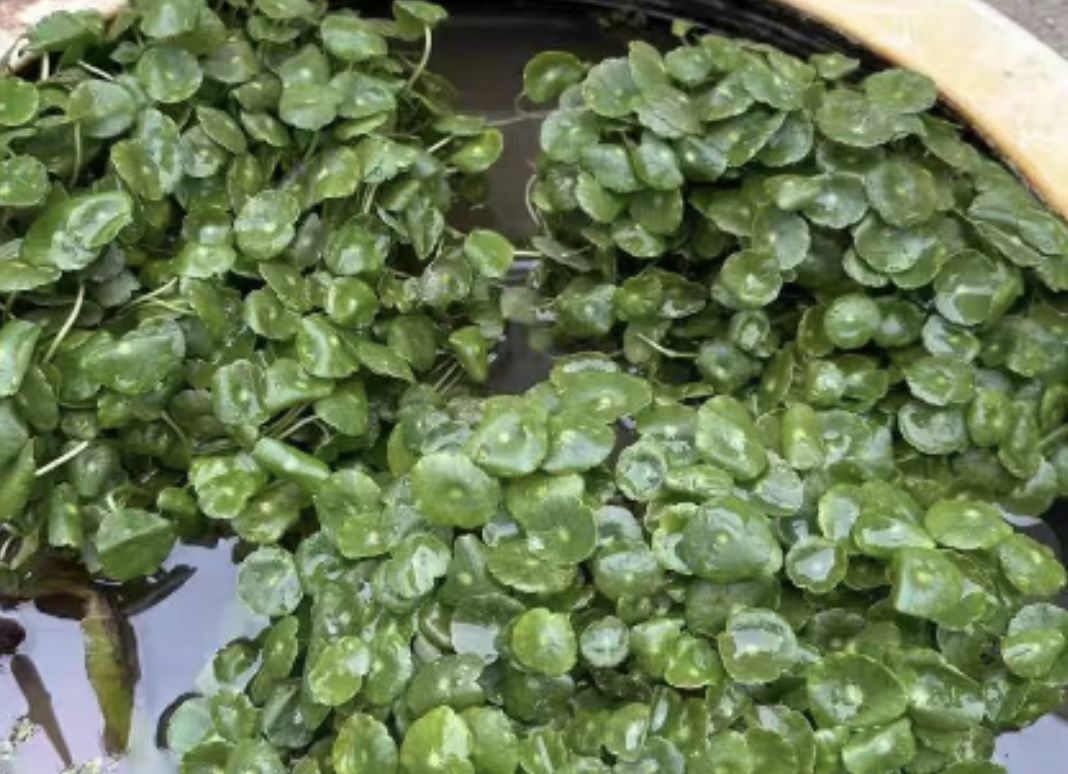
What should you do if your orchid is nutrient deficient?
When it comes to nutrient deficiency in Phalaenopsis orchids, the signs are quite obvious and easy to spot. Yellowing leaves, shriveled roots, and shortened
-

Is it normal for a Phalaenopsis's new leaves to be smaller than the old ones, or is it a nutrient deficiency?
You watch the new leaf of your Phalaenopsis slowly emerge, but the more it grows, the more something seems off - why is it a full size smaller than the old leaves next to it? Your heart immediately starts racing: Is this normal? Have I not fed it enough fertilizer, is it lacking nutrients? Actually, a Phalaenopsis's new leaves being smaller than the old ones isn't necessarily abnormal; it depends on the specific situation. There are mainly several reasons a Phalaenopsis's new leaves are small
-
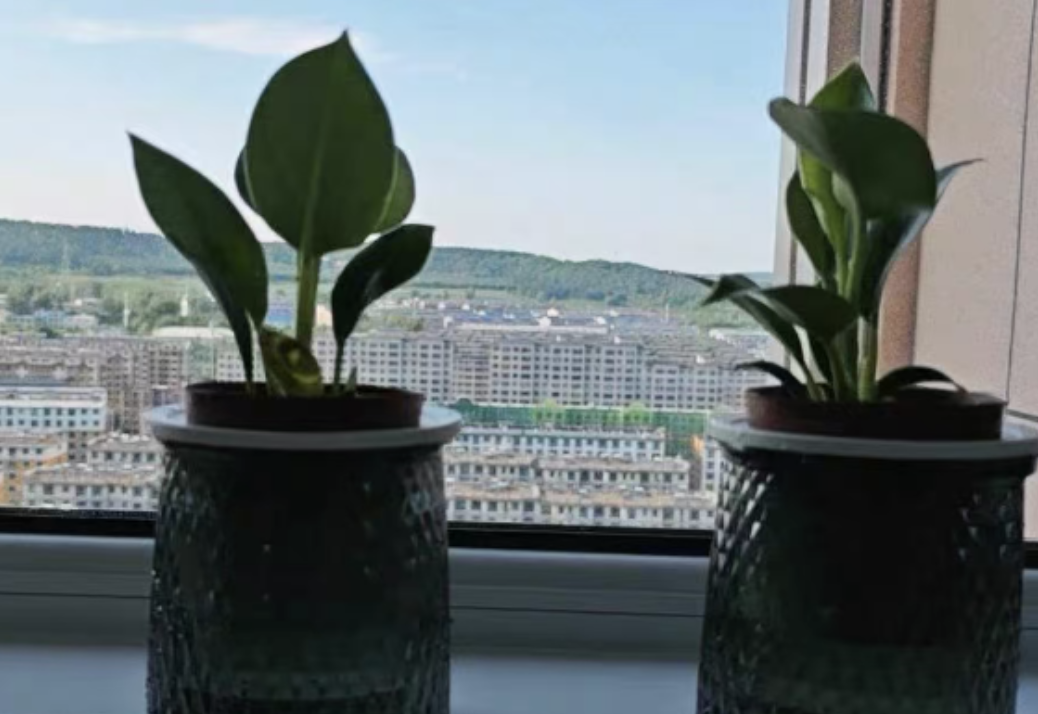
Is it normal for the new leaves of an orchid to be smaller than the old ones? Does it mean it's lacking nutrients?
You notice the new leaves of your Phalaenopsis orchid slowly emerging, but something seems off – they're smaller than the old ones! You immediately start
-

What are the signs of nutrient deficiency in Phalaenopsis orchids, and how should you fix it?
When it comes to nutrient deficiency in Phalaenopsis orchids, the signs are very obvious and can be spotted at a glance. Yellowing leaves, shrinking roots, a shortened blooming period... these seemingly ordinary symptoms are actually the plant sending its owner a signal that it is not getting enough nutrients. First, look at the leaves. A healthy Phalaenopsis orchid has thick, glossy leaves that feel firm
-

Can you water Phalaenopsis orchids with nutrient solution only during the flowering period?
Friends who grow Phalaenopsis orchids may have a misconception: they think this flower is precious, that plain water is not enough, and that they need to use nutrient solution every day so it will grow vigorously and bloom beautifully. In fact, this idea is wrong. If nutrient solution is used incorrectly, it harms the flower even more than not fertilizing at all. Can Phalaenopsis orchids be watered with nutrient solution only? The answer is definitely no. Phalaenopsis
-

Should Phalaenopsis orchids be given nutrient solution in summer, and how often should it be sprayed?
In summer, as temperatures rise and Phalaenopsis growth speeds up, its nutrient needs increase accordingly. So, do Phalaenopsis orchids need nutrient solution in summer? And how should the spraying frequency of the nutrient solution be determined? We all know that summer is hot and stuffy, and people lose their appetite - Phalaenopsis orchids are pretty much the same! At this time
-

How do Phalaenopsis orchids absorb nutrients, and what fertilizer should be used when the leaves turn yellow from malnutrition?
Many flower lovers who grow Phalaenopsis orchids notice yellowing leaves and few flowers, and their first reaction is malnutrition! But have you ever thought about it: this plant doesn't grow in soil, and it isn't watered any less than usual, so where exactly does it absorb nutrients from? Phalaenopsis orchids are quite different from ordinary plants! The roots of Phalaenopsis have an amazing ability - aerial roots
-
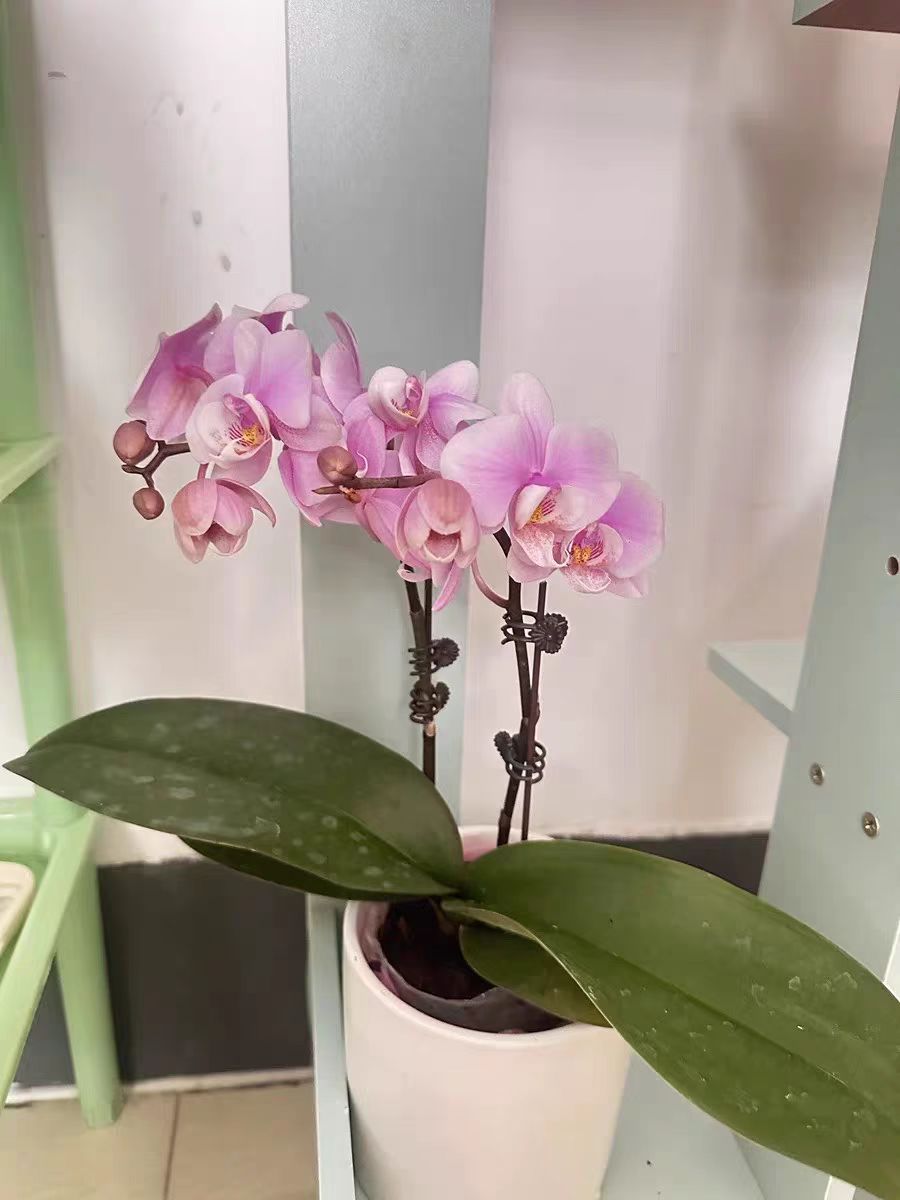
Why is my Phalaenopsis having poor nutrient absorption?
Many plant lovers complain, "Why does my Phalaenopsis always look wilted, even after fertilizing?" Nine times out of ten, it's a problem with nutrient
-

Why Is Your Phalaenopsis Orchid Poor at Absorbing Nutrients? A Look at the Causes
Many flower lovers complain: "Why does my Phalaenopsis always look droopy, and it doesn't grow even when I fertilize?" Nine times out of ten, this is a nutrient absorption problem! Just why does a perfectly healthy Phalaenopsis end up poor at absorbing nutrients? Understanding the reasons behind it is the only way to treat the right cause. The most common reason - potting medium. Phalaenopsis is different from other flowers
条件筛选