-
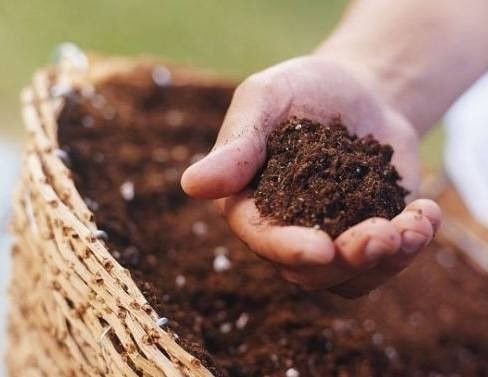
Make your own nutrient soil for growing flowers this way - it doesn't stink and doesn't take up space
Everyone knows that leaf mold is a kind of nutrient soil formed from plant leaves and twigs decomposed and fermented by microorganisms in the soil, and it is also the most commonly used soil for pot cultivation. Leaf mold contains abundant various trace...
-

Hydroponic plant nutrient solution, preparation of hydroponic plant nutrient solution
Hydroponic plant nutrient solution, preparation of hydroponic plant nutrient solution
-
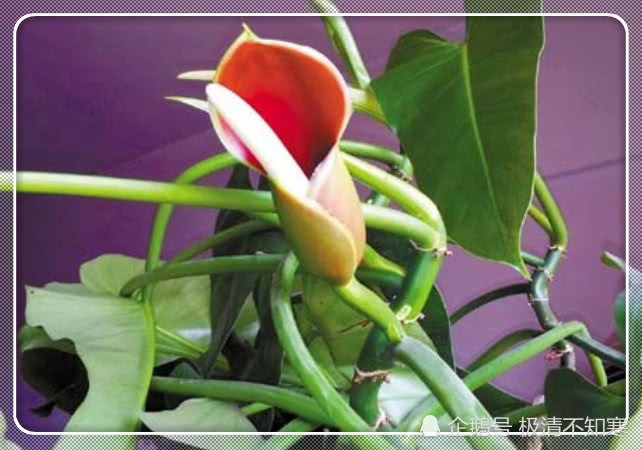
Pothos only gets plain water and can't keep up with nutrients; add a little of this and it grows into a waterfall in half a month
Many people keep pothos at home, but when we usually water it, we only use plain water, so the nutrients can't keep up. Today, the editor will teach you a little trick. Let's take a look together. First, we can use...
-
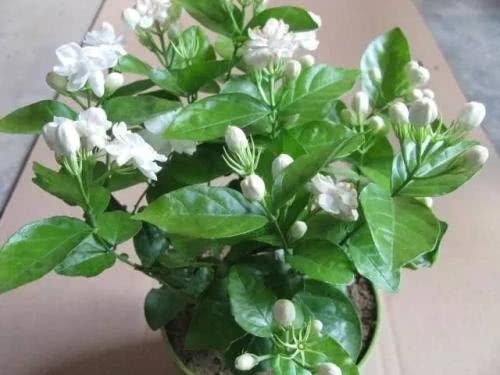
Give jasmine a spoonful of the most powerful flower-growing nutrient solution, and new shoots will keep sprouting while flowers bloom nonstop.
Autumn is here, and it is a great season for growing flowers. The temperature is no longer as high as in summer, and evaporation is not fast either. Keeping a few potted plants at home can not only decorate your living space but also purify the air. Jasmine, for example, is a very good potted flowering plant. Jasmine...
-
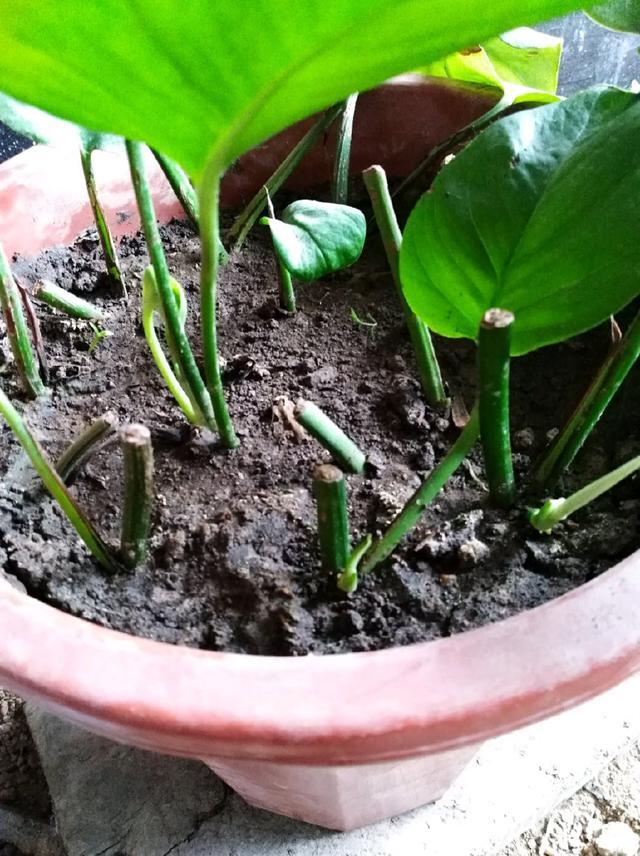
Make potting soil for plants with 3 kinds of waste; every time you water, it releases nutrients once; whatever you grow thrives
For potted flowers, if you want to grow them vigorously, you can basically start from three aspects: one is watering, the second is fertilizing, and the last is nutrient soil. Watering and fertilizing are considered the basic skills of growing flowers. If you water or fertilize wrongly...
-
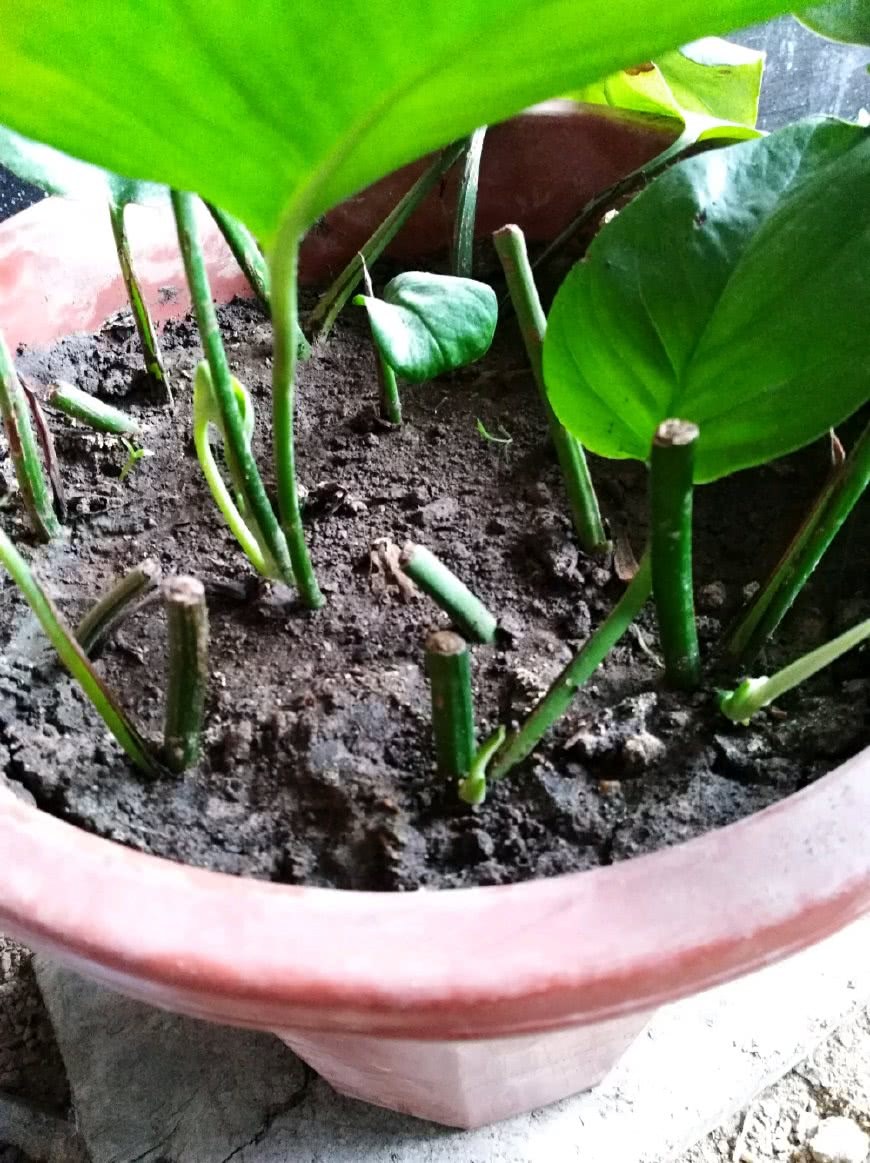
Make potting soil for flowers with 3 kinds of waste; every time you water, it releases nutrients once; whatever you grow thrives
For potted flowers, if you want to grow them vigorously, you can basically start from three aspects: one is watering, the second is fertilizing, and the last is nutrient soil. Watering and fertilizing are considered the basic skills of growing flowers. If you water or fertilize incorrectly...
-
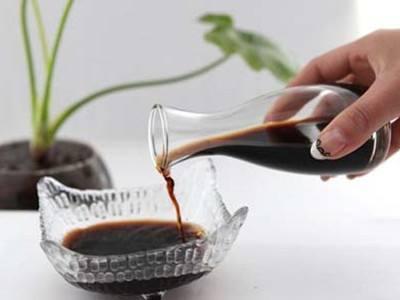
You can't grow flowers without these 3 kinds of nutrient water; use them right and you'll get lush branches and leaves and a long blooming period
More and more people are growing flowers now, and to grow potted flowers well, watering and fertilizing are the most basic fundamentals. When it comes to watering and fertilizing flowers, some flower lovers may think there is nothing to learn, but that is not actually the case. Every kind of flower...
-
Detailed Explanation of Cucumber Nutrient Requirements and Scientific Fertilization Techniques
Nutrient Requirements Cucumbers are best grown in loose, fertile soil with good aeration. Heavy clay soil is not conducive to cucumber root development. Soil with high organic matter content can balance the contradiction of cucumber roots being moisture-loving but not waterlogging-tolerant, and fertilizer-loving but not fertilizer-tolerant. The growth cycle of cucumbers is roughly divided into the germination stage, seedling stage, vine elongation stage, and...
-
How to identify nutrient deficiencies in cucumbers from the plant itself
Cucumbers need a lot of fertilizer throughout their life. Besides applying a sufficient amount of base fertilizer (including farmyard manure and chemical fertilizer), you should also apply fertilizer in stages according to the growth of the cucumbers or the soil fertility status, and apply whatever nutrient is lacking. Some vegetable growers may rely on habit, and some may rely on experience, but actually, the simplest and fairly accurate...
-
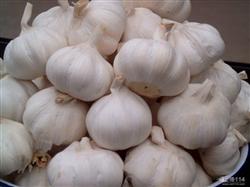
How to fertilize garlic for high yields? Understanding its nutrient requirements is key
Garlic is a bulb crop with a high nutrient demand and relatively good tolerance for fertilizer. It is suited to cultivation in sandy loam soil rich in organic matter, with a loose and fertile topsoil, comprehensive nutrition, and good water- and fertilizer-holding capacity and aeration. According to research: for every 1000 kg of fresh garlic produced, 4.5-5 kg of nitrogen, 1.1-1.3 kg of phosphorus, and 4.1-4.7 kg of potassium are required, in a ratio of 3...
条件筛选