-
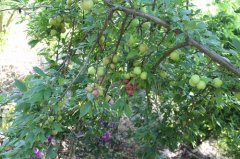
Plum Tree Cultivation and Management Methods, Plus Fertilization Timing and Application Rates
The plum is a fruit we see often, but do you know how it is grown? Is it the same as the cultivation method for Black Amber plums? 1. Propagation Plum trees, depending on the species or cultivar, can be propagated by cuttings, layering, division and root cuttings, but grafting is generally used.
-
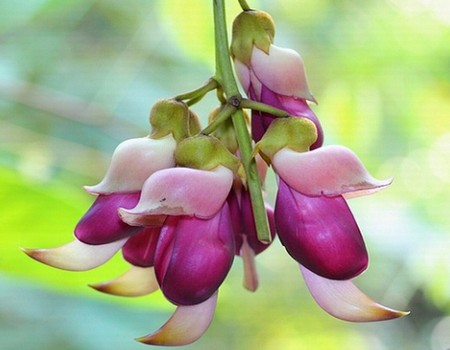
A Detailed Guide to Mucuna Birdwoodiana Planting Techniques and Management Methods
On weekends since the start of spring, you have seen the golden rapeseed flowers, photographed the delicate pink cherry blossoms, plum blossoms and more - do you feel that nothing surprises you anymore? If you want something special, why not go and admire the Mucuna birdwoodiana flowers, hanging in clusters from vines, loved by all - a spectacular spring scene that perhaps can only be seen in Guangdong
-
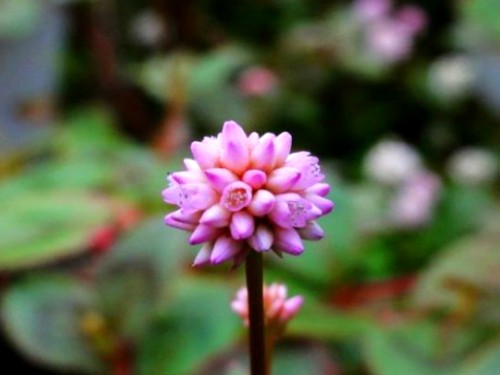
Detailed Explanation of Polygonum capitatum Planting Techniques and Cultivation Management Methods
Polygonum capitatum, an inconspicuous little flower, has the Miao medicinal name Dlobdongdxod (approximate Chinese transliteration: "Sou Dang Suo"). Previously, Polygonum capitatum was just an inconspicuous plant. In the mountainous areas of Guizhou, Polygonum capitatum was generally used to feed livestock
-
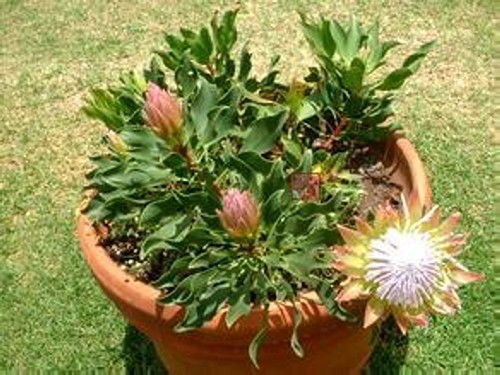
Detailed Explanation of Protea Planting Techniques and Care Management Methods
Protea flowers are large, unusual in shape, magnificently colorful and elegantly noble, with strong ornamental value as well as medicinal and edible value. Different climatic conditions and geographical environments lead to great variations in protea leaves, flower shapes, flower colors and flowering times. In commercial cultivation, even under the same growing conditions
-
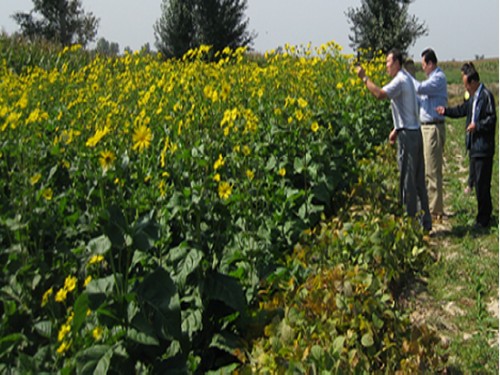
Detailed Explanation of Silphium perfoliatum Planting Technology and Management Methods
At Cuihu Wetland Park there is a beautiful flower whose posture resembles that of a chrysanthemum, with yellow blooms flowering in masses that lift the spirits. Its name is Silphium perfoliatum. Silphium perfoliatum, also known as cup plant, compass plant, French champagne grass and so on, is a perennial herbaceous plant of the genus Silphium in the Asteraceae family
-
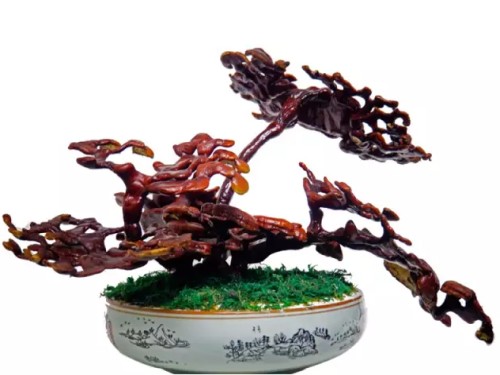
A Detailed Guide to Lingzhi Bonsai Cultivation Techniques and Management Methods
Lingzhi bonsai is a shaped handicraft that has emerged in recent years, made by processing dried mature lingzhi fruiting bodies. By using foam plastic greenhouse technology to pot living lingzhi at the growth stage, a living lingzhi bonsai is created, and just like potted flowers, you can watch the lingzhi stipe elongate.
-
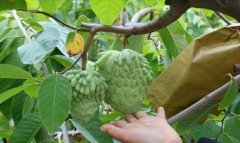
Pineapple Sugar Apple Cultivation Management Techniques and Harvesting Methods
Few people have heard the name of the fruit pineapple sugar apple, and even fewer have tasted its flesh. It differs from the sugar apple grown in Taitung in both fruit shape and taste. The pineapple sugar apple is sour, sweet, and chewy, with a very unique texture, especially noticeable during droughts in the plum rain season.
-
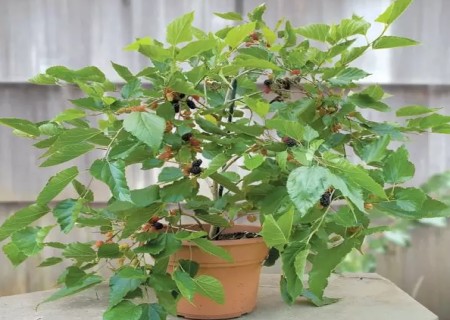
Detailed Guide to Potted Mulberry Tree Planting Techniques and Management Methods
The fruit of the mulberry tree is the mulberry I often picked and ate as a child. Their shelf life is very short, and they are basically not sold on the market. However, we can plant them in flower pots. They do not necessarily have to be planted in front of the yard; planting them on a balcony or terrace is also very good, as long as there is plenty of sunlight.
-
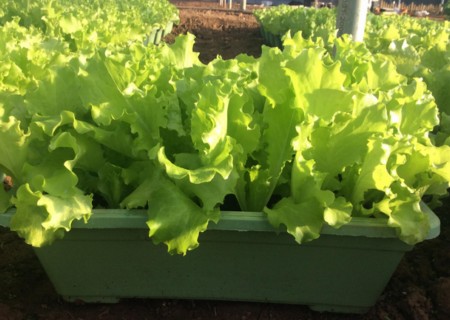
Detailed Guide to Pot Cultivation Techniques and Management Methods for Head Lettuce
Head lettuce is a variety of lettuce, also known as glass lettuce or head lettuce. The leaves are crisp and refreshing, and can be eaten raw, in cold dishes, or dipped in sauce, making it a top-grade raw vegetable; it can also be stir-fried, used to make shiitake lettuce or oyster sauce lettuce, and is the main vegetable used in Western salads. Head lettuce is rich in nutrients and has hypnotic and analgesic effects
-
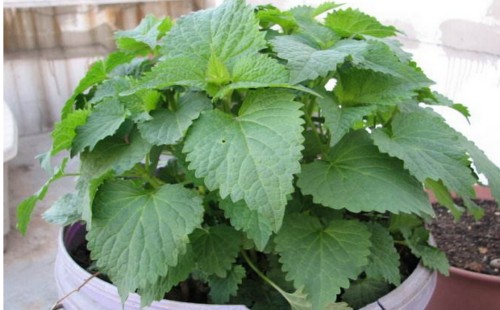
Detailed Explanation of Agastache rugosa Planting Techniques and Management Methods
Agastache rugosa (also known as Korean mint) is a perennial herbaceous plant that normally maintains upright growth, with the entire plant accompanied by fragrance, and is widely cultivated in the southern regions of China. Because Agastache rugosa contains a volatile oil that releases fragrance, it can be used to make spices and is also an important raw material for making perfume.
条件筛选