-

Detailed Explanation of Key Coffee Cultivation Techniques and Management Methods
I. Overview Coffee, cocoa, and tea are known as the world's three major beverages, with coffee ranking first in output, consumption, and production value. In addition to being used as a beverage, coffee can also be used to extract caffeine and coffee oil; in medicine, it can serve as an anesthetic, stimulant, diuretic, and cardiotonic. Coffee
-
Shrimp farming management cannot be blind; scientific methods are key
According to media reports, Ms. Zheng, a resident of Wenzhou, recently bought 3 large shrimp at a local farmers' market. After returning home, she discovered that the shrimp had actually been injected with an unidentified gel-like substance. Ms. Zheng then uploaded pictures of several shrimp to the internet, sharply condemning the unscrupulous merchants, which drew attention from netizens.
-
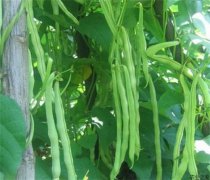
What plant is the common bean? Common bean planting and cultivation management methods
Organic common bean cultivation and management techniques (1) Environmental selection and coordination of related measures. Practice crop rotation. Carry out soil diagnostic analysis. Soil improvement. No soil, air or water source pollution in the surrounding environment. (2) Weed control methods. Use manual or mechanical inter-row cultivation and weeding, do not use chemical
-
Detailed Explanation of Rice Cultivation Management Techniques and Fertilization Methods and Application Rates
Fertilizer Management in Organic Rice Cultivation I. Fertilizer management is an important part of rice cultivation, and the fertilizer management in organic cultivation mainly consists of replacing chemical fertilizers with organic fertilizers, but improper application of organic fertilizers often causes poor growth in rice, such as
-
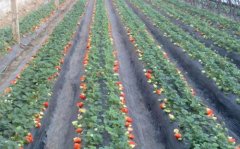
A Detailed Guide to Strawberry Cultivation Techniques and Growing Management Methods
(1) Selection of the environment and coordination with related measures. Practice crop rotation. Carry out soil diagnostic analysis. Soil improvement. No soil, air or water source pollution in the surrounding environment. (2) Weed control methods. Use manual or mechanical tillage for weeding; do not use chemical herbicides. Adopt mulching or crop rotation
-

A Detailed Guide to Grape Cultivation Techniques and Management Methods
Organic Grape Cultivation There are more and more types of fruit cultivation nowadays. Do you know how to grow any of them? Do you know how to grow grapes? If not, then come and take a look. Climate and Soil Suitability Grapes are a temperate fruit tree, and when cultivated in subtropical Taiwan, China
-
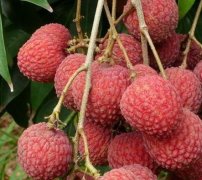
Yuhebao Lychee Management Methods and Post-Harvest Handling Points
Post-Harvest Management Practices for Yuhebao Lychee How should Yuhebao lychee be maintained after harvest? How can a good tree structure be established, and how should fertilizer be applied? Let's take a look together below. 1. Do a good job of pruning, cultivate strong fruiting branches, and establish
-
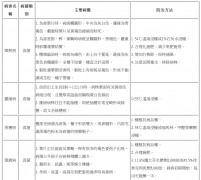
Foxtail Millet Cultivation Techniques: Field Management Measures and Pest and Disease Control Methods
Foxtail millet cultivation techniques and field management - do you know them? Soil selection and land preparation with basal fertilizer application, sowing and thinning, weed control and intertillage with earthing up - are you clear on all of these? And there is also pest and disease control - if you do not understand, let us take a look together. (1) Soil selection
-

When to Plant Taro? Growing Period Days and Planting Management Methods
How many days is the growing period of taro? The general growing period of taro is 210 to 240 days; for late-maturing varieties, the growing period is 270 to 300 days. From this, the growth cycle of taro is very long. Would you like to learn about taro's planting methods and management, and when to plant taro?
-
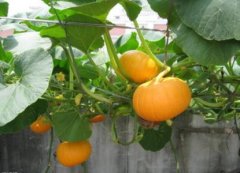
Pumpkin Cultivation Techniques and Management Methods: How to Grow Pumpkins with More Fruit
Do you know how to grow pumpkins? Would you like to learn? Pumpkins are suited to growing in a cool climate of 15-25°C, and grow slowly below 8°C. At 0°C the plants are damaged by frost, and in hot, dry seasons they are prone to viral diseases. When planting, we should pay attention to this point
条件筛选