-
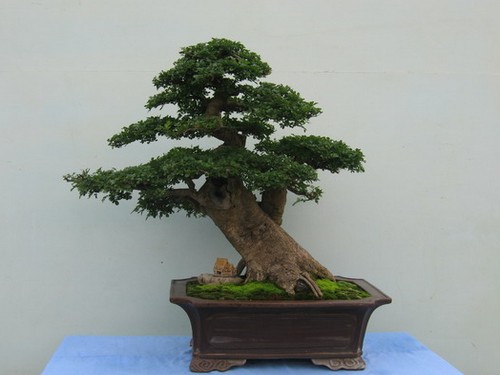
Four-Season Water Management Methods for Chinese Ash Bonsai
Chinese ash (Fraxinus chinensis) grows slowly, has a long lifespan, a beautiful tree form, and gnarled, intertwined roots. It is the finest among landscaping, bonsai, and root-carving varieties, and is hailed as a "living fossil" and the "king of bonsai." In daily water management work, the water regimen for Chinese ash bonsai can be summed up as "heavy watering." Heavy watering: there must be sufficient moisture, and slightly wet is better than dry. Water more in spring.
-
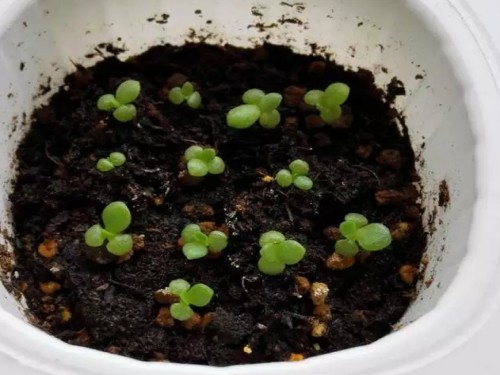
Management Methods After Sowing Landscape Flower Seeds
Flower propagation is divided into sexual propagation and asexual propagation. Sexual propagation is the use of seeds sown to reproduce offspring. Asexual propagation is also called vegetative propagation, using a part of the plant's vegetative organs to cultivate new plants; the methods include cuttings, division, grafting and layering. Among them,
-
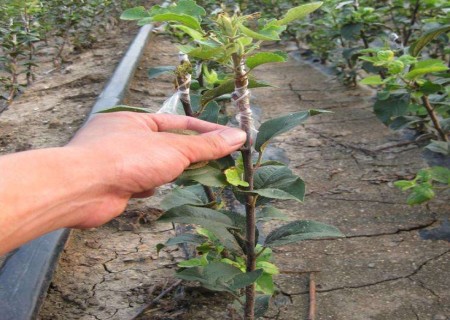
Pear Grafted Seedling Management Methods and Technical Key Points
Transplanted grafted pear seedlings, due to the high density in the sowing nursery, often grow unevenly. It is best to divide and replant the successfully grafted semi-finished seedlings before spring budding in the second year, in order to expand the nutrient area of the young seedlings. At the same time, cutting the root system also solves the problem of the rootstock's main root being too long. After divided replanting,
-
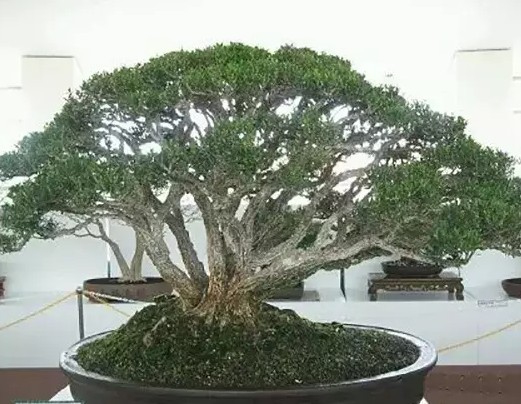
Winter Management Methods and Care Points for Stump Bonsai
As the weather turns colder, many flowering plants and bonsai are gradually being moved indoors and entering the winter management stage. We have seen quite a few articles on the spring, summer and autumn management of stump bonsai, but the winter management of stump bonsai is often overlooked, and often by the following spring, when all things revive
-
Detailed Explanation of Maintenance and Management Methods for Miniature and Small Bonsai
Although miniature and small bonsai are relatively easy to tend, they are not easy to cultivate. The maintenance of miniature bonsai especially requires careful and meticulous attention. The potting soil should be kept moist at all times, following the principle of "dry-wet alternation" (water when dry, let dry between waterings), or water can be applied by the pot-soaking method. In midsummer, place them in a shaded area and use a fine-nozzle spray bottle to mist the plants, maintaining a humid environment. During the growing season, apply light fertilizer frequently.
-
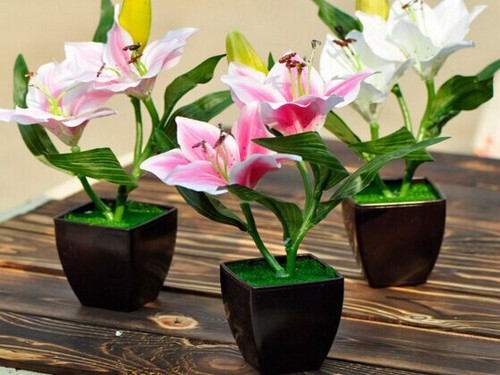
How to grow a lily bonsai? Detailed guide to daily care and management methods
Lilies are grown for ornamental purposes, and cut flowers exported from the Netherlands and Japan are especially beautiful. Lily bulbs are rich in starch, and some can even be eaten as vegetables. In China, edible lilies have a long history, and traditional Chinese medicine believes that lilies are mildly cool and neutral in nature, with effects of moistening the lungs and stopping coughs, clearing heat, and calming the mind and soothing the nerves
-
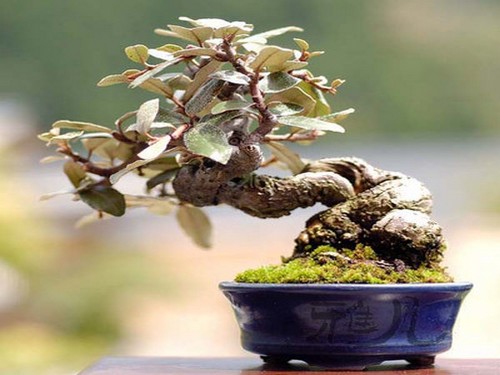
How to grow an Elaeagnus bonsai? Detailed care and management methods
A potted Elaeagnus that only blooms but does not set fruit is related to the length of time it has been in a pot and to the variety, and is closely related to nutrients and management methods. Elaeagnus sets fruit easily on mountain slopes because it grows for a long time and has a well-developed root system that can absorb nutrients from a large volume of soil. But the soil in a pot is limited, so it must grow for several years
-

How to care for bonsai so it safely gets through summer? A detailed guide to summer care and management methods
Once the long stretch of rainy plum-rain season ends, the scorching hot season of high temperatures begins. At this time, bonsai growers must pay close attention to this drastic change in environment, frequently and carefully observe subtle changes in the leaf color of the bonsai plants as well as the moisture level of the potting soil, and tend them with great care
-
How to Grow a Hoya? Detailed Guide to Management Methods and Care Precautions
Hoya is a widely cultivated indoor foliage and flowering plant, with bright flower colors and unusual flower shapes, offering great ornamental value and bringing out a fresh and elegant home environment. But for beginner flower enthusiasts, those so-called theoretical growing methods online are not as practical as the firsthand care experience of fellow growers.
-
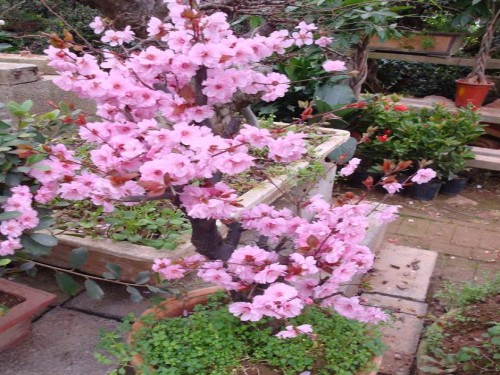
What are the care and management methods for flowering almond (Prunus triloba)?
Flowering almond gets its name because its leaves resemble those of the elm. Its leaves look like elm leaves and its flowers look like plum blossoms, hence the name "flowering almond." With dense branches and leaves and abundant, brightly colored flowers, it is an important flowering ornamental shrub species for landscaping in gardens, streets and roadsides in northern China. If you want flowering almond to have abundant flowers and lush leaves in early spring
条件筛选