-
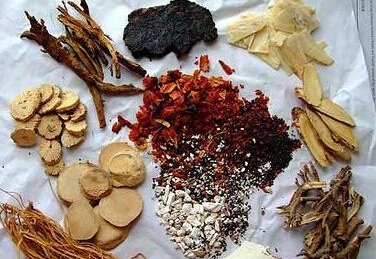
Do you know all these methods for making homemade flower fertilizer?
Chinese medicine residue is a good flower fertilizer. The leftover residue after decocting Chinese medicine is an excellent fertilizer for growing flowers and vegetables. This is because Chinese medicine is mostly made up of plant roots, stems, leaves, flowers, fruits and bark, as well as the limbs, organs and shells of birds and animals, plus some minerals, and is rich in organic and inorganic substances.
-
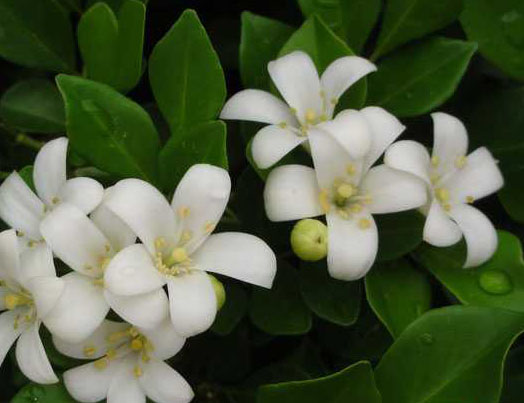
What are the main measures for making Murraya paniculata bloom abundantly with a strong fragrance?
Murraya paniculata, also known as qianlixiang and yueju, is an evergreen shrub or small tree. Its small cymes are terminal or axillary, white, with an extremely strong fragrance and strong diffusion, and the flowering period is in autumn. To make its fragrance spread far, pot cultivation should use sandy soil rich in humus, loose and fertile. During the young tree stage, change the pot once every year in early spring.
-
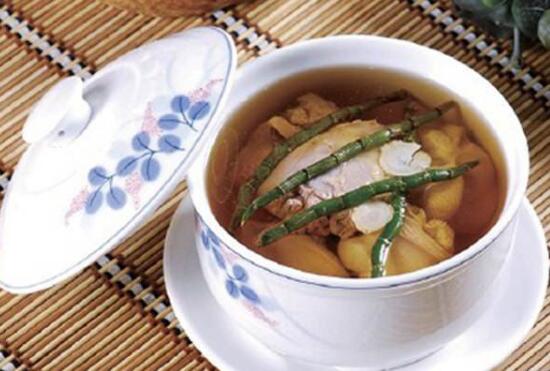
How to Eat Dendrobium officinale? A Complete Guide to Making Tea and Wine
As the pace of society speeds up, most workers live with irregular diets and schedules in order to support their families. Lifestyles are not easy to change, but we can make improvements in what we eat, such as eating more Dendrobium officinale, which can treat various diseases in the human body. So how do you eat Dendrobium officinale?
-
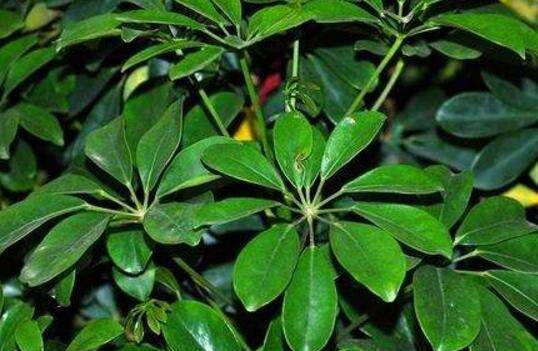
How to propagate Schefflera arboricola by cuttings? Detailed cutting method, making the cuttings is the key point
Schefflera arboricola is a plant that grows relatively fast. When growing it, besides understanding how to cultivate Schefflera arboricola, you should also master its propagation techniques, so that old and new plants can alternate. Among the propagation methods for Schefflera arboricola, the most common is cuttings, so how do you take cuttings of Schefflera arboricola
-
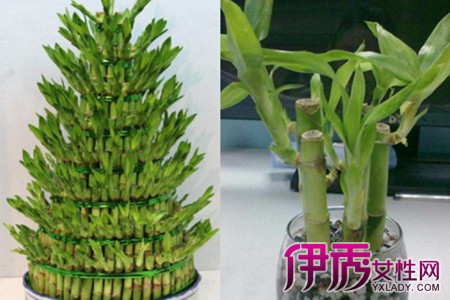
A detailed guide to growing potted bamboo, making your home more cultured
A poem says: better to eat without meat than to live without bamboo. From this line you can tell how deeply people have loved bamboo from ancient times to today. Many people now want to know how to keep potted bamboo bought home alive, so today we will talk about how to grow potted bamboo
-
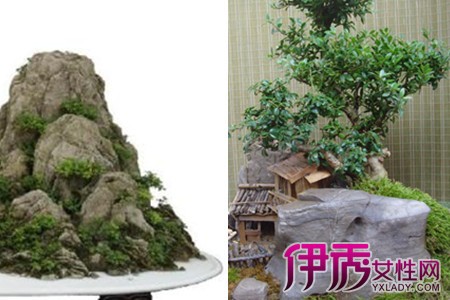
Three little tricks for bonsai making that make the results twice as good with half the effort
All kinds of bonsai can be seen in many offices or homes. They are not only a pleasing decorative item, but also a rare work of art. The method of making bonsai is actually not difficult; as long as you master the tricks, you can get twice the result with half the effort.
-
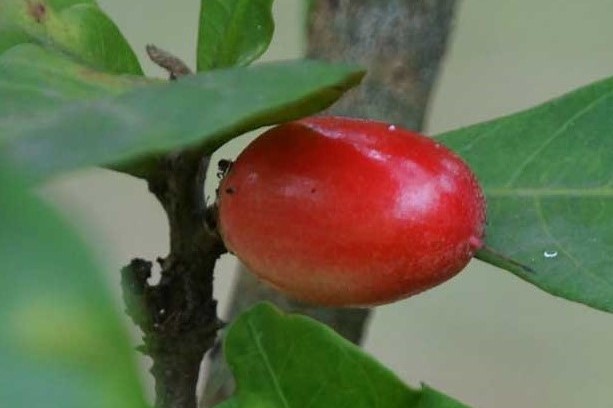
Detailed Explanation of the Production Method and Steps for Making a Miracle Fruit Bonsai
1. Substrate selection: Miracle fruit requires a fertile, loose substrate with good air permeability and drainage. It is suitable to use mountain soil or garden soil, then add about 1/3 peat, compost, wood chips, and 5% decomposed cake fertilizer, and mix evenly. 2. Potting: The suitable time for potting miracle fruit is between April and August.
-
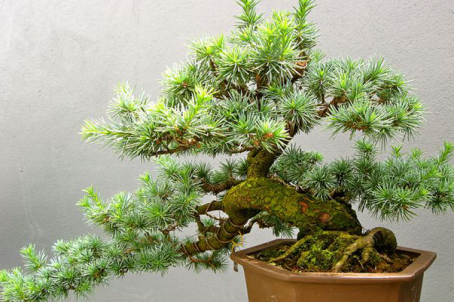
A Detailed Guide to Making Cedar Bonsai, Easy for Beginners to Learn
When making a cedar bonsai, pay attention to pot selection, soil, and shaping. For making cedar, it is best to use a purple clay pottery pot or a glazed pottery pot. If the bonsai is relatively large, a deep round pot or a carved stone pot can be used, but wire must be used to secure the base of the roots to prevent loosening. The soil chosen should preferably be loose in texture and well-draining.
-
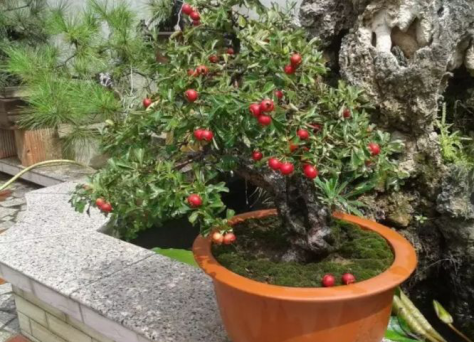
What are the key points for making a hawthorn bonsai?
Seedling source Most hawthorn seedlings are grafted seedlings. Small seedlings can be used directly as rootstock. You can also directly dig up small-crowned, short and beautiful stumps from the mountains. For shaping and potting, it is recommended to pot in spring and autumn. It is best to use purple clay pots or unglazed pots. The soil should be kept at proper moisture. Make sure the soil is fertile.
-
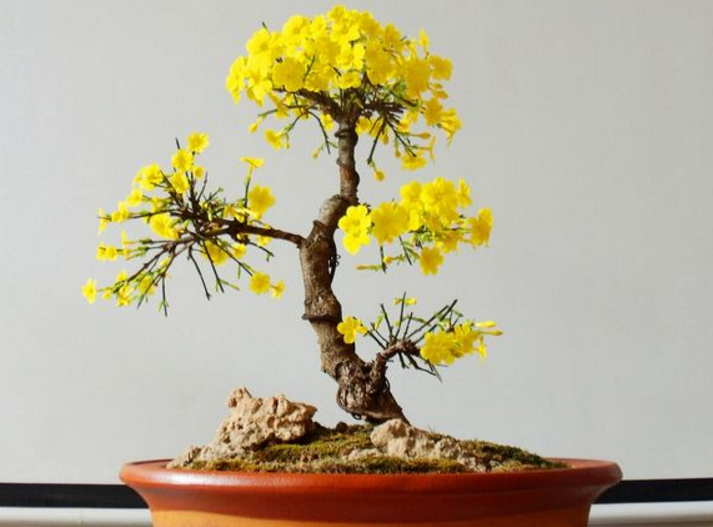
A Complete Guide to Making Winter Jasmine Bonsai
Choosing the pot: Material and color: For winter jasmine bonsai, a purple clay ceramic pot or glazed ceramic pot in a medium-to-deep color is usually chosen. To set off the flower color of winter jasmine, a darker-colored pot is usually selected, such as dark blue, brown, or purplish red. Shape: The shape of the pot is determined by the styling of the winter jasmine; generally a round or square pot is chosen.
条件筛选