-
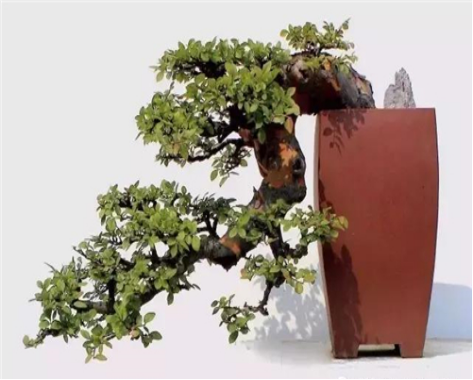
A detailed guide to the entire process of making an elm bonsai
Step 1: Pruning the roots and branches. Before planting, we first need to prune the branches and root system. The purpose is to make it easier to plant and also to help it grow better. Step 2: Treating the cut surfaces. Sticky sap often flows from the cuts on an elm. If the elm exudes too much liquid
-
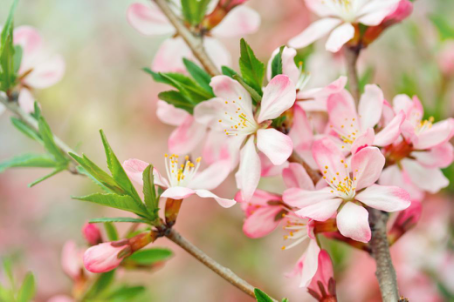
A detailed guide to bonsai-making methods, easily creating beautiful bonsai
So how do you make a peach blossom bonsai? First, you need to choose a peach blossom variety suitable for bonsai and reasonable trunks and branches. When styling an ornamental peach blossom bonsai, prune reasonably according to the tree's vigor and growth conditions to ensure the branches are attractively twisted and turning, promptly remove branches that affect the tree's shape, and keep the bonsai's appearance beautiful
-
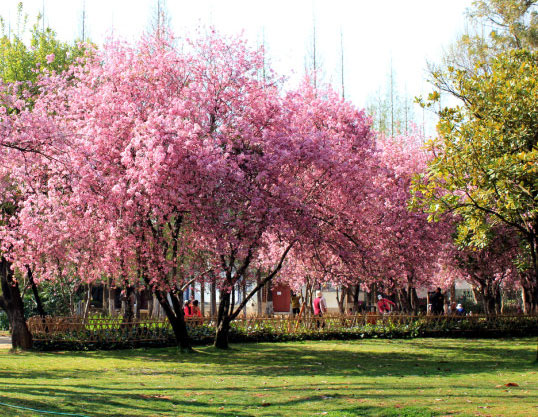
A Detailed Guide to Making a Weeping Crabapple Bonsai
Step 1: Prepare the Potting Soil. When making a weeping crabapple bonsai, we need to choose a suitable pot. In general, we can choose a medium-sized, relatively deep pot, which can be square, round, or any shape you like. As for the material of the pot, glazed ceramic pots or purple clay pots are generally chosen. In flower cultivation
-
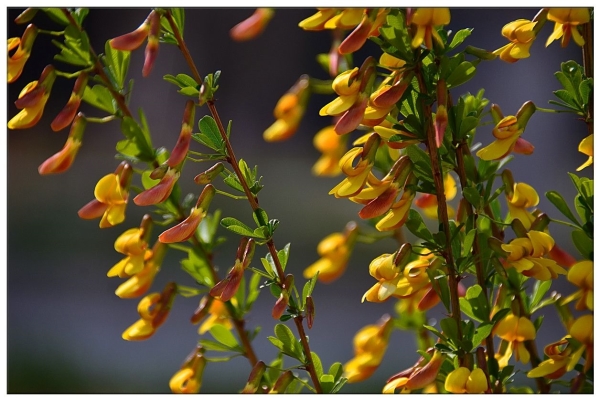
Detailed Guide to Making a Caragana Bonsai, Step-by-Step Instructions
For material, generally choose young seedlings of Caragana grown for bonsai through cuttings or layering, because such branches are slender and supple and easy to cultivate into potted plants. Alternatively, choose old, multi-year stumps with graceful form, which can achieve the effect of rapid shaping. As far as possible, in the dormant period or the rainy season, dig out the Caragana plant.
-
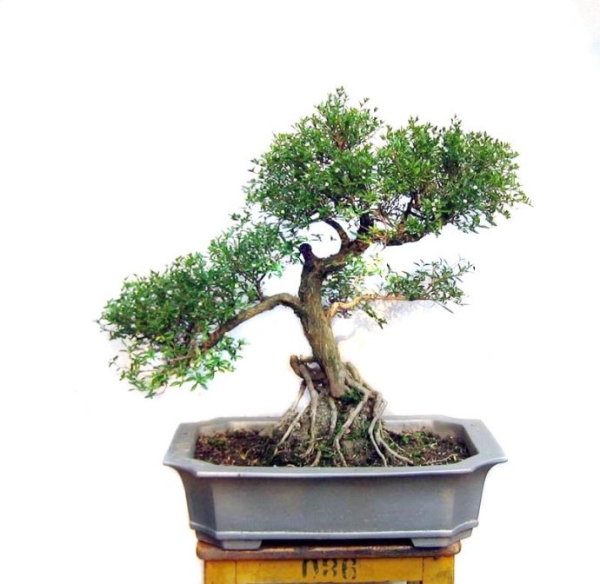
A Detailed Guide to Making a Serissa japonica Bonsai
Timing: For Serissa japonica plants, division propagation is generally chosen in March, and cuttings propagation is carried out from April to October. Potting soil: The potting soil for Serissa japonica should be a sandy loam rich in organic matter, loose and fertile, with good drainage and air permeability. The flower pot can be chosen in a slightly darker color to form a contrast with the Serissa japonica
-

A Detailed Guide to Making a False Asparagus Bonsai
1. Tree form: The false asparagus (Asparagus densiflorus 'Myersii') comes in many tree forms, including the straight-trunk style, slanting-trunk style, curved-trunk style and cliff style, each with its own character. The straight-trunk style is sturdy, upright and rustic; the slanting-trunk style is vigorous and powerful; the curved-trunk style twists and winds like a coiled dragon; the cliff style resembles a steep mountain with a dragon's head peering out. 2. Choosing a pot: The specific shape of the pot is not fixed
-
Detailed Guide to Making and Techniques for Ruyi Flower Bonsai
1. Flower Pot The best pot for Ruyi flower is a purple clay pot; a shallower plain-colored pot can be chosen, which better sets off the vigorous form and brilliant flower colors of the lantana. Pots with better breathability such as tile pots, ceramic pots or cement pots can also be used for cultivation. 2. Soil Ruyi flower likes moisture, tolerates drought, and dislikes waterlogging
-
Detailed Guide to Making a Yew (Taxus) Bonsai
1. Potting soil selection: Yew (Taxus) likes loose, fertile, moist, airy, humus-rich, slightly acidic soil, so peat moss and perlite can be mixed with the soil. 2. Root and branch selection: usually in May-June each year
-
What are the methods for making a purple-leaf barberry bonsai?
1. Obtaining material: Purple-leaf barberry (Berberis thunbergii f. atropurpurea) is often propagated by cuttings; cutting-grown plants bear fruit earlier than seedling-grown plants and have a higher survival rate. Every year in February-March, before the branches sprout, select vigorous branches grown in the previous year as cuttings and cut them into 12-16 cm lengths.
-
Detailed Guide to Making a Broadleaf Lady Palm Bonsai, Teaching You Step by Step
A simple way to source material for a broadleaf lady palm bonsai is to just buy a pot of broadleaf lady palm with a simple shape; one with a plain appearance and robust growth will do. Or go somewhere outdoors and dig one up, trim the roots a bit, and plant it in a pot. For a plant just bought (or dug up), first find an ordinary flower pot, fill it with growing medium, and care for it for a period of time.
条件筛选