-

Winter Snow Honey Peach is a rare new extremely late-ripening peach variety
Winter Snow Honey Peach is a rare new extremely late-ripening peach variety selected and bred in 1986 from Qingzhou Honey Peach. With its unique advantages, it has attracted widespread attention and welcome from numerous fruit tree experts and the vast number of fruit growers. This peach is currently the valuable variety resource among late-ripening peaches in China with the latest ripening period, the strongest storage tolerance, and the best quality, and it has broad development prospects. 1. Extremely late ripening period. It ripens in early to mid-November, that is, between the Beginning of Winter and Light Snow. The fruit can tolerate slight frost. As long as frost damage does not occur, it can remain hanging on the branches without falling or rotting, and it is currently
-
Yellowing of winter wheat seedlings: classified control is key
When wheat seedlings turn yellow because the sowing soil moisture is poor, soil water is insufficient, emergence is uneven, and growth and development are poor, irrigation should be suited to the soil and applied rationally. When seedlings turn yellow due to a lack of fertilizer nutrients, nitrogen, phosphorus, and potassium fertilizers must be applied promptly; apply 15 kg of urea per mu mixed with dilute manure water, and at the same time use 0.5 kg of monopotassium phosphate per mu, diluted with water and sprayed on the leaves 1 to 2 times, to prompt the wheat seedlings to regain color in time. For wheat seedlings turning yellow due to heavy, compacted saline-alkali land, use 20 to 30 kg of superphosphate per mu
-
Winter pond fish farming has many benefits, and winter is the right time to farm
Guangdong Province is located in the tropical and subtropical zones, with abundant water and heat resources. Taking the Guangzhou area as an example, the annual average temperature is above 23°C, and even in the coldest month, January, the average temperature still reaches around 13°C. This natural advantage is very favorable for carrying out "winter farming" of pond fish. Practice in various places has proven that "winter farming" of pond fish has many benefits: First, when the weather is cold and the water temperature is lower, the organic matter and fertilizer in the pond decompose slowly, the pond water is fresh, and oxygen is sufficient, which is conducive to rapid growth and easy fattening of pond fish; Second, because the weather is colder, bacteria and parasites in the pond are not easy to reproduce and grow, so pond fish
-
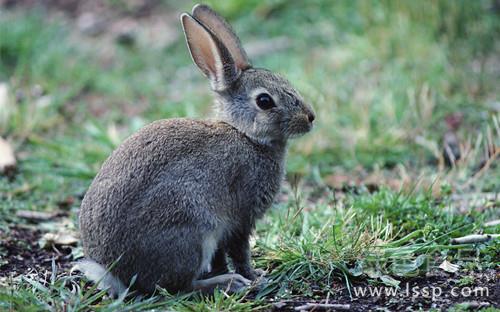
Rabbit epizootic enteritis is highly prevalent in winter; be on guard against refusal to eat, abdominal bloating, severe watery diarrhea and dehydration
Refusal to eat, abdominal bloating, severe watery diarrhea and dehydration; be on guard against rabbit epizootic enteritis in winter
-
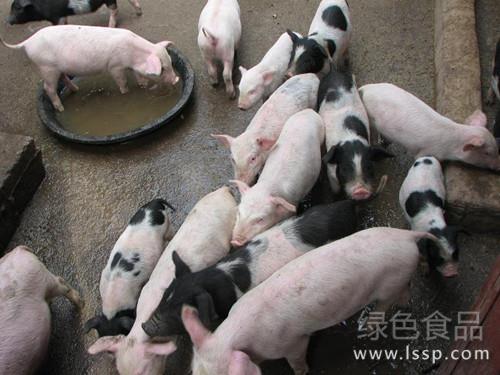
Why is it hard to raise finishing pigs in winter yet still profitable, and how can management be done well?
Raising pigs in winter is difficult but profitable; how to best manage finishing pigs
-
Normal pre-winter use of tribenuron-methyl has little effect on succeeding cotton
Liu Wenzhang from Hengjing Town, Gaoyou City called to say that he sprayed tribenuron-methyl in his wheat field for chemical weed control, using the product according to the instructions, with the per-mu rate of 10% tribenuron-methyl at less than 15 grams. He heard that tribenuron-methyl, chlorsulfuron and metsulfuron-methyl belong to the same class of herbicides, and that chlorsulfuron and metsulfuron-methyl both have very long residual activity periods, often causing residual phytotoxicity to succeeding crops. He did not know how long the residual period of tribenuron-methyl is, and whether a field sprayed with tribenuron-methyl before winter would suffer from herbicide residue effects when cotton is planted as the succeeding crop. Tribenuron-methyl is a commonly used herbicide for controlling broadleaf weeds in wheat fields. Wheat, large
-
Key Field Management Techniques for Dry Pinellia (Ban Xia) Planted in Winter
After the Chinese medicinal herb dry Pinellia is planted in early winter, it enters the winter management stage. If overwintering management is poor, it will directly affect its yield and quality. Therefore, strengthening its winter management is very important. Based on production experience, growers should do the following four things during the overwintering period of dry Pinellia: Check the seed tubers. Normally, dry Pinellia tubers begin to take root and sprout about half a month after planting. Sometimes low temperatures cause tuber rot, so the growth of seed tubers should be checked in time. For spots where sprouts have still not emerged, use your hands or a bamboo strip or wooden stick to gently push the soil aside. Any seed tubers that have not rooted or whose rootlets are yellow-black are inferior seeds and should be dug out and replanted in time.
-
Detailed Explanation of Key Techniques for Intercropping Pinellia ternata (Ban Xia) in Fruit Orchards
Encouraged by the national preferential policy of returning farmland to forest, the production area of fruit tree orchards in rural areas has increased noticeably over the past two to three years. At present, most orchards have grown into shady groves, and because of insufficient light between tree rows, intercropping conventional crops such as peanuts, soybeans, rapeseed, wheat, and corn results in poor growth, low yields, and poor returns. How to use the open spaces between orchard rows to increase intercropping returns is the issue of greatest concern to many farmers today. In practice, it has been found that intercropping the medicinal herb Pinellia ternata (Ban Xia) in fruit orchards can significantly increase economic income
-
Detailed Explanation of Key Techniques for Winter Cultivation of Edible Mushrooms
To achieve high yield, high efficiency, high quality and low consumption when cultivating edible mushrooms such as oyster mushrooms and shiitake mushrooms in winter, one should start from the following aspects. 1. Site. There are many ways to cultivate edible mushrooms. In the cold winter, indoor heated cultivation is the most suitable. Indoor heating methods include pipe heating, coal stoves, etc. Considering cost and practicality, heating with a coal stove is the most effective. This setup is suitable for relatively cold areas and can achieve low cost, fast heating and convenient operation. When cultivating edible mushrooms such as oyster mushrooms in low-temperature seasons, pest and disease damage is light, the rate of contamination by competing fungi is low, and the performance of high and stable yield is
-
What are the winter management measures for edible fungi?
In winter, temperatures are low, mycelium and fruiting bodies grow slowly, respiratory intensity is low, and mushroom yields are small, but the mushroom flesh is thick and the quality is good. Mushroom growers should seize the good opportunity of the Spring Festival period, when market demand is large and winter mushrooms sell well at high prices, and decisively take measures to strive for more mushrooms and good mushrooms, so as to achieve better economic benefits. There are three specific management measures: raise the temperature of the mushroom bed and create conditions for mushroom growth. Winter is cold, so one can only rely on natural air temperature combined with artificial regulation. For shiitake (Lentinula edodes) sheds, remove the coverings on the shed; except when mushrooms must be harvested and the film on the mushroom bed has to be lifted, keep it tightly covered the rest of the time.
条件筛选