Rabbit epizootic enteritis is highly prevalent in winter; be on guard against refusal to eat, abdominal bloating, severe watery diarrhea and dehydration
Winter is relatively cold, with lower temperatures and large day-night temperature differences, which greatly affect rabbits, especially with rabbit epizootic enteritis. At first the rabbit's appetite decreases, then it refuses to eat, accompanied by abdominal bloating, and at the same time severe watery diarrhea appears, even dehydration, with rough fur and exhaustion, leading to death. From onset to death, the rabbit's body temperature shows no change. An infected rabbit flock generally begins to see deaths 3 days after infection with epizootic enteritis, reaches a peak at 4-5 days, then gradually decreases at 8-10 days; the strong recover on their own, the weak die.
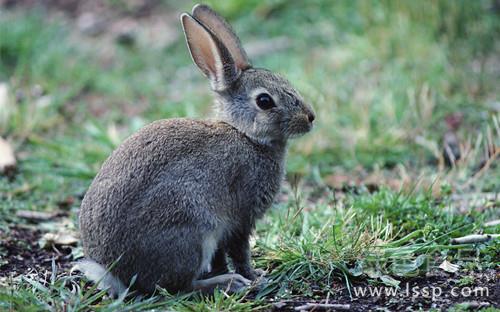
Rabbit
Preventive measures: strengthen routine feeding management, provide enough clean drinking water, prohibit feeding contaminated, especially moldy, forage and hay, and at the same time do a good job of rabbit hutch hygiene, keep it clean, and disinfect regularly. When sick rabbits are found, isolate them immediately, and thoroughly disinfect the original rabbit cages, hutches and utensils with 0.5% peracetic acid or 2% sodium hydroxide solution. Dead rabbits and their excrement, contaminated materials, etc. should be burned and destroyed to prevent the spread of the epidemic. There is currently no vaccine for this disease, and once it occurs there is no specific therapy either; routine measures are to stop diarrhea and replenish fluids to protect the gastrointestinal mucosa, improve gastrointestinal function, and provide antibacterial and anti-inflammatory treatment to prevent secondary infection, etc. Treat with the right medicine according to the symptoms:
1. Stop diarrhea: orally administer activated charcoal, charcoal powder, dioctahedral smectite, etc., 1-2 grams per dose for adult rabbits, half for young rabbits, 2-3 times a day. Or sulfaguanidine, norfloxacin, diphenoxylate, etc., 1-2 tablets per dose for adult rabbits, half for young rabbits, 2-3 times a day, for 2-3 consecutive days.
2. Replenish fluids: compound sodium chloride or 5% glucose, 40 milliliters per kilogram of body weight, by intravenous or intraperitoneal injection; oral rehydration salts, VC, electrolytic multivitamins, etc. may also be given by drinking to prevent dehydration and improve resistance.
3. Relieve spasms and pain. Intramuscular injection of atropine, 0.1 milligrams per kilogram of body weight, or oral belladonna tablets, 1-2 tablets per dose, 2-3 times a day.
4. Antibacterial and anti-inflammatory: orally give rabbits norfloxacin, sulfaguanidine, florfenicol, amoxicillin, ofloxacin, etc., in tablet or powder form (use specifically according to the instructions), or intramuscularly inject gentamicin, doxycycline, mequindox, amikacin, ciprofloxacin, maquinodox, etc., 0.5-1 milliliter per dose, twice a day, for 2-3 consecutive days.