-

How to use medication for chicken respiratory diseases in winter and spring? Farming experience sharing
There are many causes of chicken respiratory diseases, which can be broadly divided into non-infectious causes and infectious causes. Every year starting from Cold Dew, the temperature difference between day and night increases, and most farmers reduce ventilation time to keep warm. Coupled with factors such as unreasonable chicken coop design and unreasonable vaccine immunization, respiratory diseases have long plagued the majority of farmers. Analysis of disease causes: Feeding management - poor ventilation in chicken coops. The concentration of harmful gases such as carbon dioxide exhaled by chickens, ammonia and hydrogen sulfide produced by feces, and carbon monoxide produced by incomplete coal combustion rises, while oxygen concentration decreases. Chickens kept in such an environment for a long time will suffer damage to their respiratory systems. Ammonia and hydrogen sulfide gases can cause inflammation of the conjunctiva and tracheal mucosa of chickens, making it easy for pathogens to invade the respiratory system and cause disease; carbon monoxide can cause poisoning in chickens; dust caused by dry litter carries large amounts of pathogenic bacteria such as E. coli, and when the concentration is high or the body's resistance decreases, it is easy to cause colibacillosis; if moldy litter is used, large amounts of mold spores are dispersed in the air, and after being inhaled by chickens, they cause aspergillosis in chickens. Environmental factors such as excessive stocking density in chicken coops and ambient temperatures that are too high or too low can all interact with infectious respiratory pathogens, aggravating the symptoms of respiratory diseases.
-
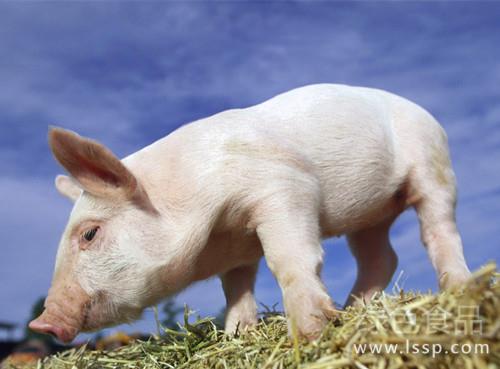
Improper management of piglets born in winter can easily lead to death; how to keep them alive
Cold winter, improper management makes piglets prone to death, how to keep winter-born piglets alive
-
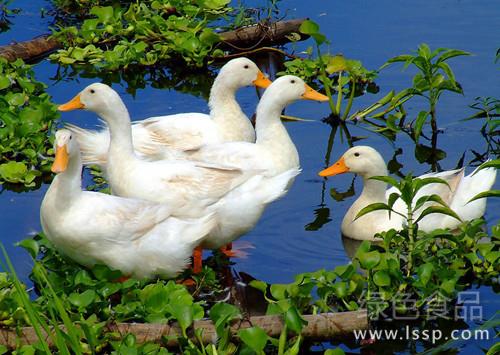
Key points for improving meat duck quality in cold winter: keep warm, prevent disease, increase light, prevent feather pecking
Keep warm, prevent disease, increase light, prevent feather pecking: key points for improving meat duck quality in cold winter
-
How to grow shiitake mushrooms in winter for high yields
Selecting blocks: Take the shiitake blocks and logs that have been fully colonized by mycelium and dry them thoroughly, then choose uncontaminated, intact blocks or logs for treatment. If the old mycelial skin is too thick, you can scratch the surface to stimulate it, and use them only after the mycelium has healed. Soaking in hot water is an ideal method for forcing mushroom buds when cultivating shiitake in winter. When soaking the blocks, heat the water to 33°C, then put the shiitake blocks or logs into the pool and soak for 3—5 hours. If the water temperature drops, add boiling water to adjust the water temperature to 18°C—33°C, then remove the soaked
-
Overwintering edible fungi: raise the temperature and maintain humidity
December is the busiest period for edible fungus production. Most cultivated varieties are fruiting, some that fruit in spring are in the mycelial growth phase, and some spawn is being made or is in the mycelial growth phase. With the arrival of December, temperatures drop, which is a considerable challenge for edible fungus growth. Therefore, mushroom growers must plan reasonably, manage well, and ensure normal growth of the edible fungi. Oyster mushrooms are mostly at the fruiting stage, and some cultivated in autumn have entered the tail end of fruiting. The focus of management is heat preservation, resolving the contradiction between raising the temperature and maintaining humidity in the mushroom shed and ventilation.
-
How do potted miniature chrysanthemums overwinter? Master these overwintering methods
1. Soil burial, or burying the lower part in soil while covering the upper part with dry leaves. Before the frost season arrives, potted miniature chrysanthemums can be kept in their pots or removed from them, and for the burial covering use plain wet soil. First, it is forbidden to use fertilized soil or soil mixed with firewood, grass or leaves, because plain soil will not mold or generate heat that harms the chrysanthemum roots and plants. If the lower part is buried in plain wet soil and the upper part is then covered with dry leaves, even if the leaves become wet from snow they will dry out in the wind after sunny weather, and will not cause great harm to the chrysanthemum plants. Second, it is forbidden to keep watering after burying, because they are already buried in wet soil, and the miniature chrysanthemums lie dormant under the soil, neither growing nor consuming water,
-
Causes and Control Methods of Leaf Yellowing in Winter Red Fruit Bonsai
Winter red fruit flowers easily and has a high fruit-setting rate. Its fruits are entirely red, and the fruiting period can extend to the next year's flowering and leafing stage without dropping. It is an excellent variety for fruit-viewing bonsai and is deeply loved by the people. However, during cultivation, due to the limitation of pot capacity and other influences, the leaves often turn yellow and drop. The main causes of yellowing are as follows: Temperature. Winter red fruit prefers warm and humid conditions and likes light but not excessively strong light. Especially in hot summers, strong direct sunlight will make the air dry and raise the pot soil temperature.
-
Practical Tips for Selecting Bonsai Tree Stumps in Winter
1. Types of tree stumps. From a cultivation standpoint, they should tolerate pruning and be easy to wire; from an aesthetic standpoint, the stump's appearance should meet conditions such as small leaves, curved branches, abundant flowers and bright fruit. Common evergreen types include: Ilex aquifolium (bird-lime holly), Quercus acutissima (sawtooth oak), Syzygium buxifolium (boxleaf syzygium), Elaeagnus pungens (thorny elaeagnus), Mahonia fortunei (Chinese mahonia), Nandina domestica (heavenly bamboo), Pyracantha fortuneana (Chinese firethorn), etc.; common deciduous types include: Euonymus alatus (winged euonymus), Adina rubella (Chinese buttonbush), Sageretia thea (Chinese sweet plum), Lagerstroemia indica (crape myrtle), Acer buergerianum (trident maple), Ligustrum quihoui (waxyleaf privet), Ulmus parvifolia (Chinese elm), Wisteria sinensis (Chinese wisteria), etc. Deciduous types can be purchased in both winter and spring. 2. Vitality of the tree stump. ① Scrape the rough outer bark of the trunk; if the inner layer is greenish and fine water droplets seep out, it is a fresh stump;
-
To grow tree-stump bonsai well in winter, you need to master these methods
Based on years of experience, the author believes that as long as the following three aspects are done well, tree-stump bonsai will have no trouble overwintering safely. 1. Moderate water, no fertilizer. In winter, watering should follow the principle of preferring dry over wet; do not water until the soil turns white. Water at noon, and it is best to water thoroughly in one go; do not water in the evening, otherwise it is prone to freeze damage. For coniferous types, wax-leaf types, and landscape trees with thick, dense, lush and graceful foliage, spraying water to rinse the leaf surfaces is also very beneficial. Bonsai trees should not be fertilized in winter, but 15 days before the start of winter, along with weeding and loosening the soil and killing pests and diseases,
-
How to care for stump bonsai in winter? Detailed fine-care techniques
Seasonal stump bonsai are cared for in a greenhouse. Because the greenhouse temperature is high, humidity is high, and ventilation and air exchange are poor, it easily causes poor growth and development. During care, the following aspects should be followed: Ventilation and air exchange The greenhouse should be ventilated and air exchanged regularly. Generally, ventilation is done at noon on sunny days. The size of the opening of the vent should be determined according to the growth habits of the stump bonsai and its temperature requirements. When the weather is cold, the vent should be small and the ventilation time should be short; conversely, the vent should be large and the ventilation time should be long. Through ventilation and air exchange, the temperature and
条件筛选