-
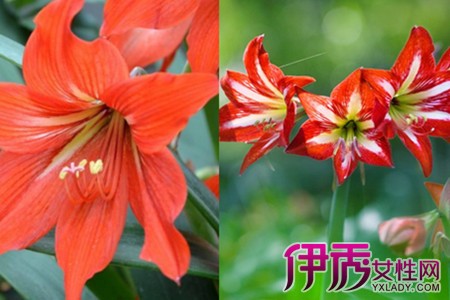
Amaryllis growing methods and precautions to make the flowers bloom more luxuriantly
Amaryllis is very attractive when in bloom, and many people like to place a pot of it at home, but how exactly should amaryllis be grown so that it blooms more luxuriantly? Today I will share my own experience of growing amaryllis with everyone.
-
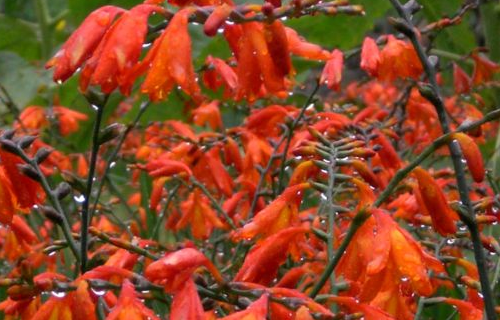
How to grow Crocosmia? Detailed growing methods and precautions
Light: Crocosmia loves sunlight, so make sure to give the plant plenty of sunlight during the growth stage, but when the sunlight is intense, be careful to shade the plant to prevent the leaves from being scorched. Temperature: Crocosmia has a very notable characteristic, which is its extremely strong cold tolerance
-
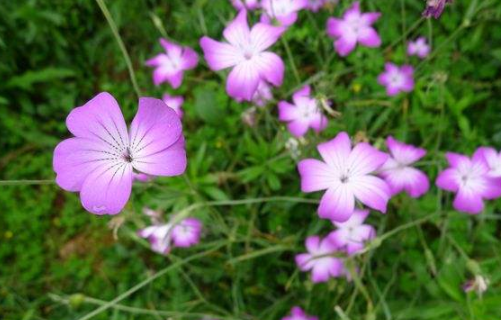
How to grow Agrostemma githago (corn cockle)? Detailed guide to growing methods and precautions
Light: Agrostemma githago is not a flower that needs elaborate care; it loves sunlight very much, so during the plant's growing season, let it receive enough light so it can grow healthily. But in summer, remember to shade the plant to prevent the sun from scorching the leaves. Do not shade it excessively either, otherwise the plant will become leggy.
-
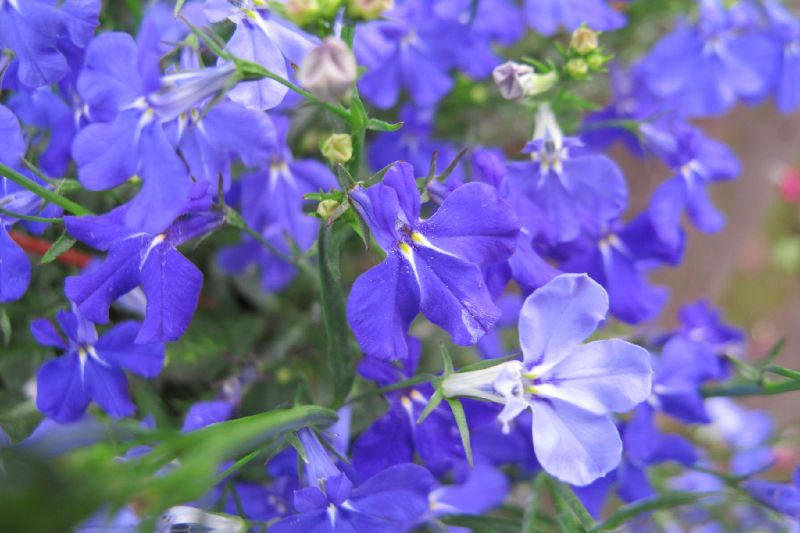
How to grow Lobelia? Detailed guide to growing methods and precautions
1. Temperature: Lobelia has relatively high temperature requirements. The growing temperature is 15-18 degrees, then drops to 10-15 degrees; this temperature will make the root system develop well. Lobelia is very sensitive to low temperatures. In spring, the growing temperature should best be kept at 15-18 degrees, and long-day light should be provided.
-
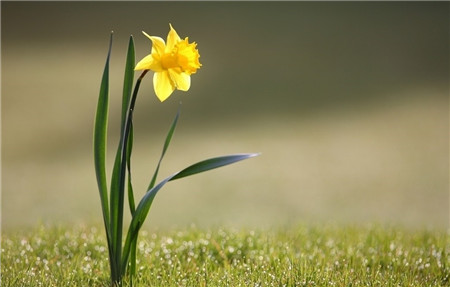
Can narcissus be grown in water? A detailed guide to hydroponic growing methods
1. Narcissus can be grown in pots or in water; most households grow it in water. The water-growing method for narcissus is as follows: first buy a few narcissus bulbs, remove the outer skin, soil and protective roots, then use a small knife to peel off 3-4 layers of outer skin from the upper part of the bulb so that the flower buds between them are exposed. Be careful not to damage the flower buds when peeling.
-
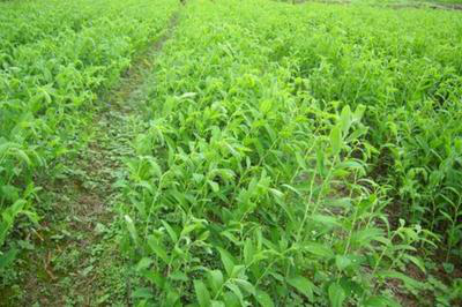
Fragrant Solomon's Seal: Growing Methods and Points to Note
1. Soil. Fragrant Solomon's Seal is suited to growing in deep, well-drained, slightly acidic sandy soil. When planting, also be careful to change the soil every other year, so as to ensure the nutrients needed for the growth of Fragrant Solomon's Seal are supplied. 2. Seed germination. Before sowing Fragrant Solomon's Seal, the seeds must first be germinated.
-
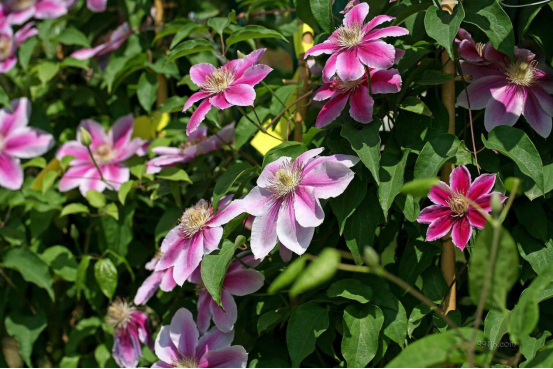
Key Points for Growing Clematis and Daily Care Methods
1. Soil: Clematis prefers fertile, loose, well-draining alkaline soil, and should not be waterlogged or overly dry. 2. Watering: Clematis dislikes excessive moisture, so daily watering should be controlled and not excessive, especially during the rainy summer season when watering should be reduced.
-
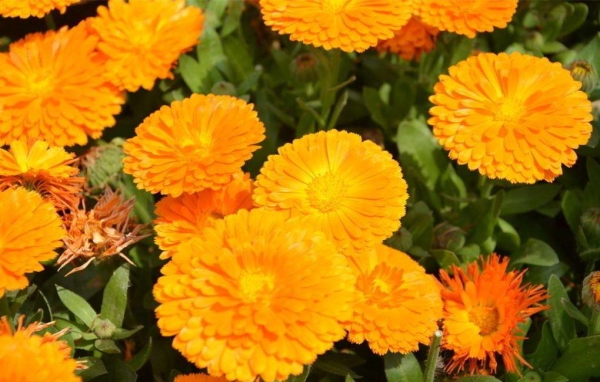
Calendula (Pot Marigold) Growing Methods and Precautions
Soil: Calendula does not have strict soil requirements and prefers to grow in fertile, well-drained alkaline sandy soil. The soil pH is best around 6-7. Sufficiently fertile soil ensures that calendula will branch more and bloom more. Light: Calendula prefers to grow in an environment with ample sunlight, but high-temperature environments should be strictly avoided.
-
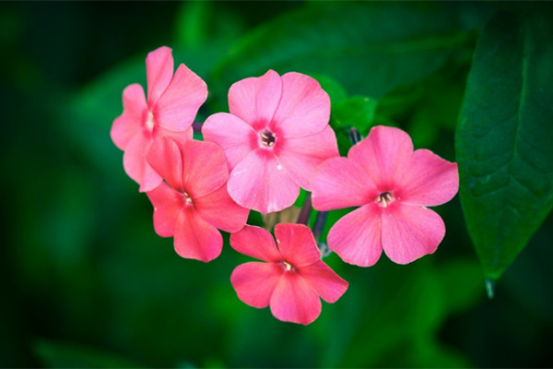
How to Grow Dipladenia? A Complete Guide to Growing Methods and Precautions
1. Flowering period The flowering period of dipladenia is mainly summer and autumn; with proper care, it can also bloom in other seasons. 2. Light Dipladenia prefers a warm, humid and sunny environment, and can also be placed in a slightly shaded spot, but insufficient light reduces flowering. The optimum growing temperature is 20-30°C
-
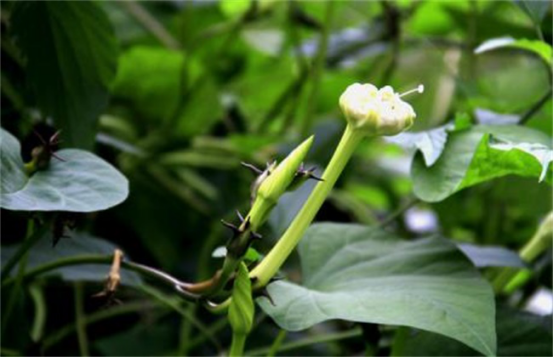
How to grow moonflower? A step-by-step guide to the growing methods
Timely transplanting. The moonflower can be said to be a plant that is not very easy to grow. For many flower lovers, growing a moonflower is a luxury, and the reason for the luxury is that the survival rate after each transplanting is very low. In fact, the important reason for unsuccessful transplanting is that the timing of transplanting is wrong.
条件筛选