-
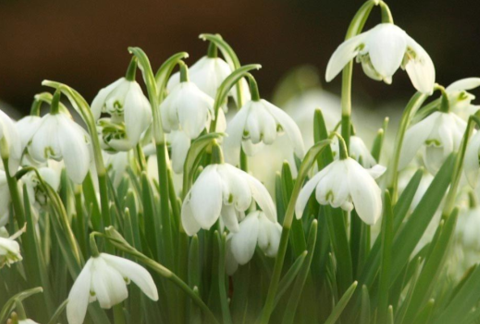
How to grow snowdrops? A step-by-step guide to the growing method
1. Light: Snowdrops do not have high light requirements. In spring, autumn and winter, let them receive direct sunlight often. In summer, when temperatures are high, provide a small amount of appropriate shade to benefit the plant's growth. 2. Temperature: The suitable temperature for snowdrop growth is 15-28°C. They are relatively cold-tolerant but not heat-tolerant, so pay attention to cooling in summer.
-
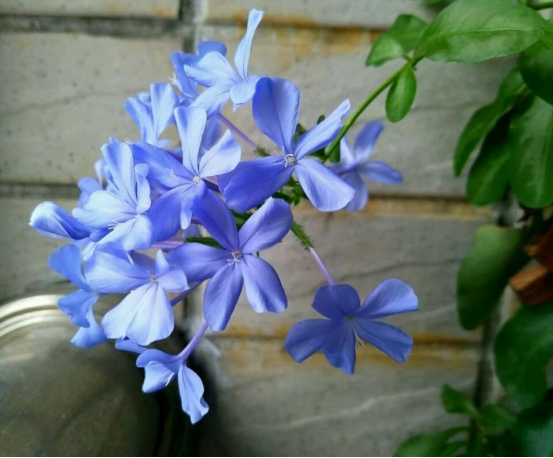
Blue Plumbago Growing Methods and Precautions
1. Light. Blue Plumbago is a plant that greatly loves light and will only bloom under long-day conditions. As long as a sufficient water supply is guaranteed, even the scorching sun of midsummer is no problem at all. Note that when light is insufficient, the amount of blooming will decrease noticeably, and the branches will become thinner and softer.
-
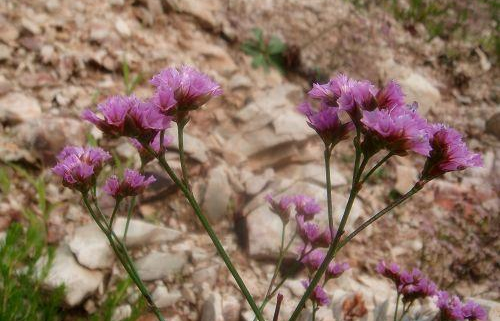
How to grow Limonium sinense? Detailed growing methods and care tips
Soil: Limonium sinense has relatively high soil requirements; the soil should be loose, breathable and fairly soft. For this kind of soil, we can generally mix it ourselves, using leaf mold, or mixing one part peat and one part perlite, and then disinfecting it.
-
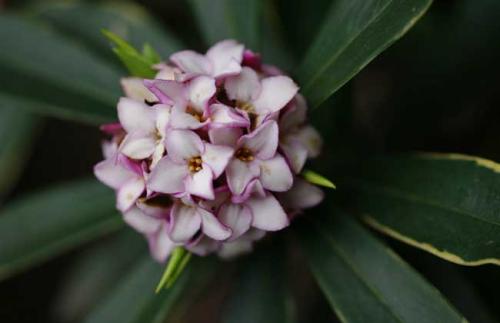
How to grow Daphne odora 'Aureomarginata'? Detailed growing methods and precautions
1. Pot and soil: Choose a flower pot of moderate size, and select soil that contains humus and is slightly acidic, as this is beneficial to the growth of Daphne odora 'Aureomarginata'. 2. Repotting: Daphne odora 'Aureomarginata' generally needs to be repotted once every 2 years, which keeps it able to produce beautiful flowers and promotes its growth.
-
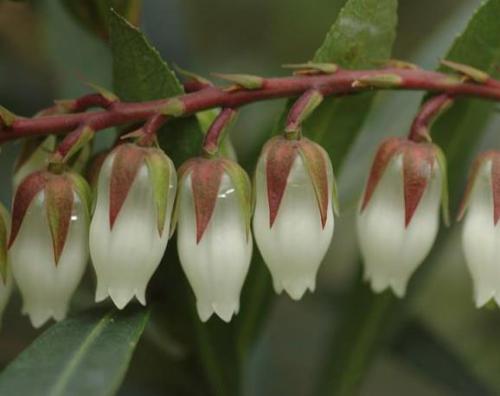
Can Japanese pieris be grown hydroponically, and how long can it survive? Growing methods and precautions
1. Soil: Japanese pieris likes acidic sandy soil rich in humus. This kind of soil is loose and well-drained, suitable for the growth of Japanese pieris. You can also choose soil made by mixing garden soil and sand. 2. Fertilizing: Japanese pieris needs enough fertilizer during growth
-
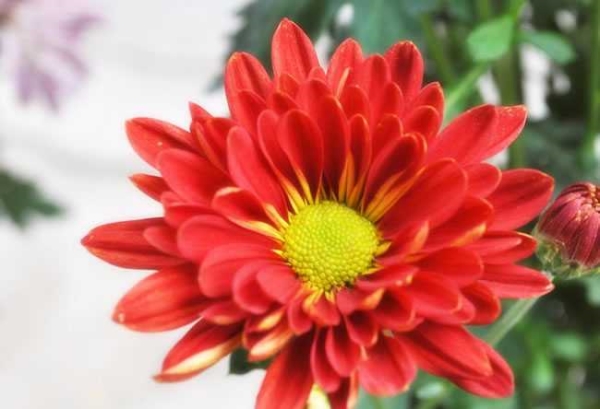
Chrysanthemum Growing Methods and Precautions
Soil Chrysanthemums prefer loose, sandy soil with good water retention. The ideal soil pH is between 5.5 and 7. However, chrysanthemums are highly adaptable to soil and are relatively easy flowers to grow. Light Chrysanthemums are short-day flowers.
-
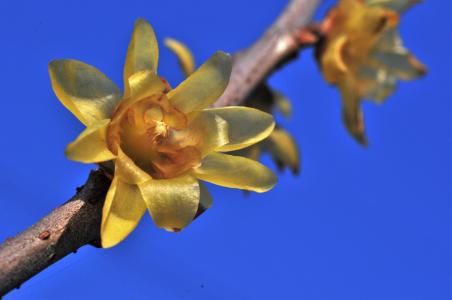
A Detailed Guide to Wintersweet Growing Methods and Precautions
1. Light: Wintersweet loves sunlight, so during the growing season it should be placed in a spot with light, but in summer be careful not to expose it to harsh sun. 2. Watering: Wintersweet does not tolerate waterlogging, so when watering be careful that there is no standing water; only then can wintersweet grow healthily, otherwise it may wither.
-

A detailed guide to wild papaya cultivation techniques, teaching you to master the growing methods
Wild papaya cultivation techniques
-
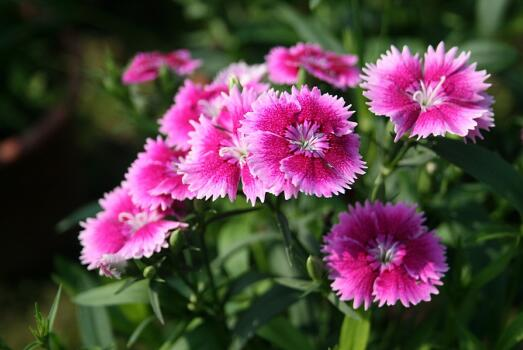
Cape Mallow (Anisodontea capensis) Growing Methods and Care Tips
I. Light Conditions The cape mallow is a sun-loving plant that thrives in bright light, and maintaining at least 6 hours of light per day is most suitable. Sufficient light promotes the growth of the cape mallow, making it more robust, while an overly shady environment will reduce flowering and affect its ornamental value. If placed indoors
-

条件筛选