How to Grow Dipladenia? A Complete Guide to Growing Methods and Precautions
1. Flowering period
The flowering period of dipladenia is mainly summer and autumn; with proper care, it can also bloom in other seasons.
2. Light
Dipladenia prefers a warm, humid and sunny environment, and can also be placed in a slightly shaded spot, but insufficient light reduces flowering. The optimum growing temperature is 20-30°C,
3. Soil
Dipladenia has strong adaptability to soil, but sandy loam rich in humus and with good drainage is best.
4. Pruning and care
After the flowering period, dipladenia should be pruned and cared for in a timely manner; light pruning can be done. Besides shaping the plant, strong pruning in spring can also encourage it to sprout strong new branches. Besides light and watering, fertilizing and loosening the soil are also very necessary steps. Although flower growing is much the same across the board, fellow gardeners all know that the habits of each flower are very different, so it is best to pay close attention.
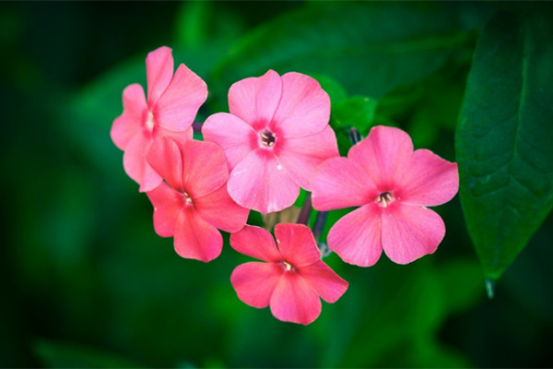
The flowers of dipladenia are still very ornamental, but whether dipladenia is currently toxic or not, there is no clear answer yet. However, as long as we pay attention in daily life and go to the hospital if there is a problem, it can be avoided. Thank you all for reading.
Precautions for Growing Dipladenia
1. Dipladenia needs to be given sufficient light; insufficient light will affect its flowering and is also not conducive to its growth.
2. When fertilizing, the amount of nitrogen fertilizer used should be controlled; excess nutrients will make dipladenia plants grow too vigorously, which is not conducive to flowering.
3. Although dipladenia has strong stress resistance and generally does not suffer from pests and diseases, preventive measures should still be taken: ventilate and drain frequently, and keep the leaves dry.
Dipladenia is not only fragrant and pleasant, but can also decorate and beautify our courtyards. It is a flower with a very wide range of uses. The above is the content on dipladenia growing methods. The precautions and methods for cultivating dipladenia that I have added here are meant to help everyone ~ if you like it, save the Four Seasons Plants website!
How to Grow Dipladenia: Growing Methods for Dipladenia
Dipladenia is a vine in the Apocynaceae family. Its stems are soft but tough, spiraling upward along a support, and its pink, trumpet-like flowers are large and upright. So how do you grow dipladenia? Let's take a look at the growing methods for dipladenia.
I. Growing Methods for Dipladenia
1. Soil: Dipladenia has strong adaptability to soil. The potting soil needs good drainage, and a substrate with added amendments and humus is best. For indoor pot cultivation, in the north you can use leaf mold plus a small amount of coarse sand; in the south you can use pond mud, peat soil and river sand mixed in a 5:3:2 ratio.
2. Light: The optimum light intensity for dipladenia is 10000-20000 Lux.
3. Temperature: Dipladenia is not cold-tolerant. The optimum growing temperature is 20°C-30°C, and growth is inhibited when the outdoor temperature is below 7.5°C. In the Beijing area, it must be kept indoors to overwinter against the cold; it may drop its leaves during overwintering and will not bloom again until spring.
4. Humidity: If the soil in which dipladenia is grown is too dry, it affects fertilizer absorption; if too wet, it causes root death or other diseases. Especially in winter, watering needs to be reduced and the soil kept dry.
5. Watering: Increase watering for dipladenia in summer, avoiding letting the soil dry out completely. When grown outdoors, it should not be planted in overly low-lying sites, so that water accumulation does not cause oxygen deficiency and poor growth. The optimum relative air humidity is 70-80%, and should be kept above 50%.
6. Fertilizing: Dipladenia needs reasonable fertilizing during its vigorous growth period in spring and summer. A balanced slow-release fertilizer can be applied to the potting soil, then a liquid fertilizer applied once every 7-10 days. Generally, in spring apply a compound fertilizer with a balanced nitrogen-phosphorus-potassium ratio, such as 15-15-15, twice a week, about 150ppm each time; in late spring or early summer, to promote flowering, an additional 150ppm of a phosphorus-rich fertilizer such as 10-20-10 can be applied.
7. Pruning: Dipladenia can be pruned after transplanting and after the flowering period. If it is a one- or two-year-old plant, light pruning can be done, mainly for shaping. For perennial old plants, strong pruning can be done in spring to encourage the sprouting of strong new branches.
8. Pest and disease control: The main diseases of dipladenia are leaf diseases such as leaf spot and leaf blight caused by Cercospora, and root rot and stem rot caused by Fusarium. In the early stages of disease, agents such as carbendazim and mancozeb can be used for control. Red spider mites and whiteflies are the most harmful pests, and imidacloprid and similar agents can be used for control.
The above isGrowing Methods for Dipladeniaintroduced. Dipladenia has large, brightly colored flowers and is very suitable as an indoor potted plant, adding a touch of fresh atmosphere to the home.