-
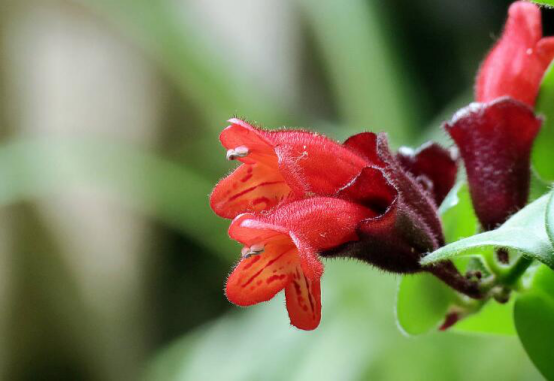
How to grow the lipstick plant? Understand the growing methods and precautions in one article
1. Soil. The lipstick plant adapts to growing in slightly acidic, well-drained, loose sandy soil. When potting, you can mix peat soil, sand and vermiculite powder with an appropriate amount of superphosphate to make a potting medium, or use leaf mold plus coarse sand or barnyard manure mixed with coarse coal furnace slag as the medium. 2. Watering
-
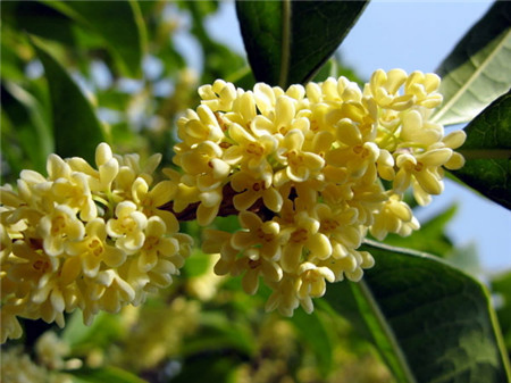
How to grow Osmanthus fragrans 'Semperflorens'? Growing methods and precautions explained in one article
1. Temperature: Osmanthus fragrans 'Semperflorens' likes a growing environment of 18°C to 25°C best, and blooms abundantly at this time; if it is below 15°C, flowering will decrease; it can overwinter at 3°C to 5°C, but will not bloom. So if you want it to bloom more, you need to pay attention to controlling the temperature
-
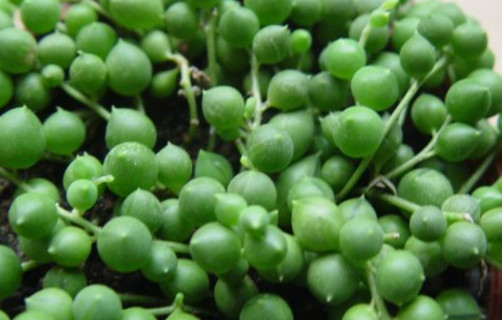
How to grow String of Nickels? Growing methods and precautions
1. Choosing potting soil and containers. String of Nickels is basically a plant that can grow in any soil, but to make it grow more luxuriantly, you should still use fertile, loose potting soil, such as succulent potting soil bought at a flower market or general-purpose nutrient soil for plants.
-
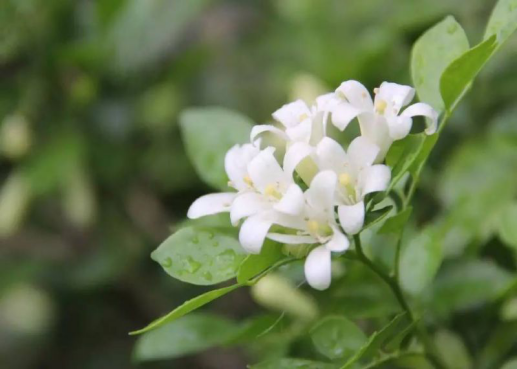
How to grow night-blooming jasmine? Detailed guide to growing methods and precautions
Temperature The greenhouse temperature for growing night-blooming jasmine must be kept at 8-12°C at all times. If the greenhouse is below 5°C, the leaves of night-blooming jasmine will turn yellow and drop, and in severe cases it may even threaten its survival. The best time to move it into the greenhouse is mid to late October. Light Night-blooming jasmine loves light and needs good ventilation
-

How to grow Prunus x cistena (purple-leaf sand cherry)? Growing methods and precautions
1. Light. Prunus x cistena likes sunlight. If the light is insufficient, its leaves will turn greenish, so if you want the leaves to be a bright purple-red, you should plant it in a place with plenty of light. 2. Soil. Prunus x cistena is not demanding about soil.
-
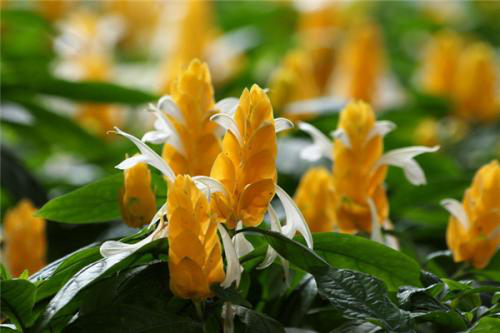
Pachystachys lutea Growing Methods and Precautions Explained
1. Temperature The suitable temperature for the growth of Pachystachys lutea is about 15°C-25°C. Too high or too low a temperature is bad for its growth. Too low a temperature will cause leaves to fall off, and in severe cases the plant may even wither and die. In winter, it should be placed indoors in a spot with ample sunlight, watering should be slightly controlled, and the temperature should be at least above 10°C.
-
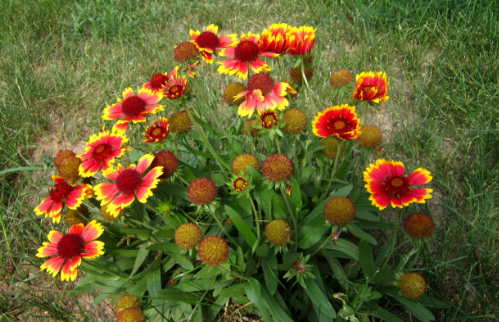
How to Grow and Care for Blanket Flower: Growing Methods and Precautions
Light and Temperature: Blanket flower loves sunlight and is highly tolerant of high temperatures and heat, but it is not very cold-hardy. Its most suitable growing temperature is 15°C-35°C. During its growth period, ensure sufficient sunlight; it can also grow in semi-shaded environments. Sunlight requirements: full sun.
-
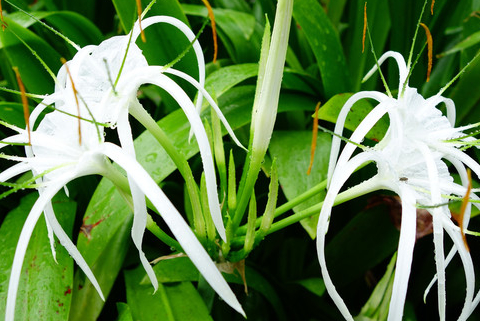
Spider Lily (Hymenocallis) Growing Methods and Precautions
1. Soil: Spider lilies are highly adaptable to soil, but the most suitable is fertile, loose, sandy soil rich in humus, which can be prepared by mixing peat soil, garden soil and river sand. 2. Temperature: Spider lilies prefer a warm environment, with an ideal growing temperature of 15-25°C. They are not cold-tolerant, so in winter make sure the temperature does not drop below 5°C.
-
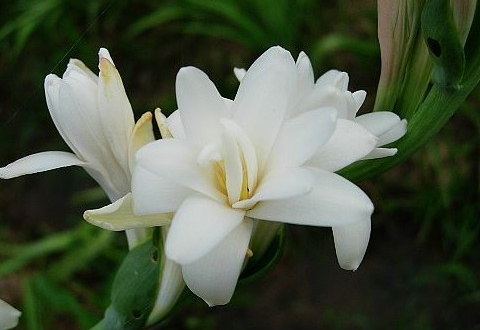
Tuberose Growing Methods and Precautions
1. Soil: Tuberose is not strict about soil, preferring fertile clay soil that does not waterlog; it is not suitable for growing in sandy soil. 2. Light: Tuberose likes ample light and needs frequent ventilation; in summer it should be cared for on balconies and in courtyards to ensure sufficient sunlight. 3. Temperature: Tuberose likes a warm environment.
-
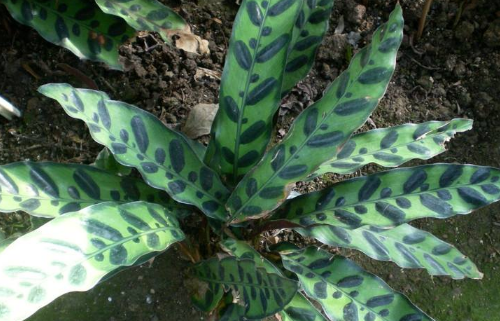
How to grow Calathea lancifolia? Master the growing methods and precautions
1. Fertile soil If you want to grow Calathea lancifolia lush and thriving, the most important thing is a pot of fertile, loose, and well-draining soil. Only very breathable soil can make Calathea lancifolia grow faster. It is best to mix leaf mold, peat soil, and perlite in a ratio of 5:3:2.
条件筛选