-
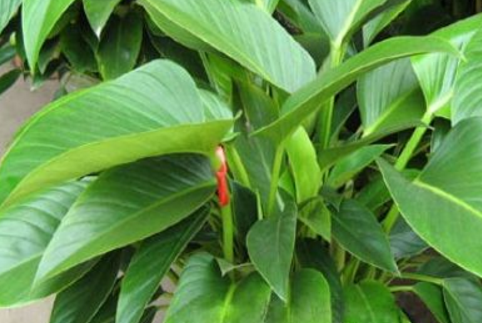
Detailed Guide to Hydroponic Growing Methods and Steps for Philodendron 'Golden Diamond'
1. Removing from the pot: First take the soil-cultured Philodendron 'Golden Diamond' plant out of the potting soil, remove the soil and rotten roots, and rinse it clean. But be careful to protect the root system so as not to affect the normal growth of the plant. 2. Disinfection: Soak the plant's roots in prepared potassium permanganate to disinfect for thirty minutes, then rinse once more; also wash the pebbles and the planting basket well.
-

African Jasmine (Pseuderanthemum carruthersii) Growing Methods and Precautions
1. Soil The soil requirements for growing African Jasmine differ between the south and the north: in southern regions, the planting site requires loose, fertile, well-drained sandy loam. For potted African Jasmine in the north, a mix of plenty of leaf mold, river sand, composted organic fertilizer, and fermented sawdust can be used. During the growing period, loosen the soil every month.
-

How to Grow the Resurrection Plant (Selaginella lepidophylla)? Growing Methods and Precautions
Growing Methods for the Resurrection Plant
-

-
How should I care for forget-me-nots? A detailed guide to growing methods
1. Soil: Forget-me-nots like a dry, well-ventilated environment and prefer alkaline soil. They are also suitable for outdoor planting, but be careful to keep the soil loose. 2. Fertilizing: During the growth period, forget-me-nots still need fertilizer to stay healthy, generally organic fertilizer mainly based on nitrogen and potassium. During the growth period, of the total amount of fertilizer applied,
-
Poinsettia Growing Methods and Daily Care Tips
1. Soil preparation. For poinsettia cultivation, it is best to use loose, fertile, well-drained sandy soil; for potting soil, a mix of culture soil, leaf mold and sand is best. Generally, for poinsettia cultivation, use 3 parts vegetable garden soil, 3 parts humus soil, 3 parts leaf mold, and 1 part decomposed cake fertilizer, add a small amount of cinder and mix well.
-
A detailed guide to hydrangea growing methods, easy enough for beginners to grow well
1. Soil selection. For hydrangea soil, you can use a mix in the ratio of 4 parts leaf mold, 3 parts garden soil, 2 parts river sand, and 1 part cake fertilizer. 2. Fertilization method. Hydrangea is quite fond of fertilizer; generally during the growing season, you can apply cake fertilizer once every half month. Hydrangea likes acidic soil
-
Canna Lily Hydroponic Growing Method Explained in Detail, Even Beginners Can Learn
Method 1: Dig out a small soil-grown canna lily seedling, remove the rotten parts of the roots and the old roots, disinfect in a 0.05%-0.1% potassium permanganate solution for about 10 min, rinse, then plant in a transparent container, and pour clean water into the container up to 2/3 of the root system. Change the clean water once every 2-3 days; it roots very easily
-
Hydroponic growing of Cryptanthus is not difficult; you can grow it well once you master the right method.
Cryptanthus is small in size with bright colors, making it an excellent choice for desktop display. It is usually propagated by division. Root offsets can be used for hydroponic growing, or a potted plant can be washed free of soil for hydroponics. First, cut or break off the side shoots (root offsets) from the mother plant. Next, level the base and peel off several leaves near the base, then place it in a container.
-
Caladium Growing Methods and Care Tips
1. Soil: Caladium prefers clayey soil, usually mixed with five parts clayey field soil, two parts leaf mold and three parts sand. 2. Light: Caladium likes sunlight, but not excessively strong light. If light is insufficient, the leaf variegation becomes dull, and the leaves grow leggy and appear weak. 3. Watering: Caladium likes moisture and needs plenty of watering in spring and summer.
条件筛选