-
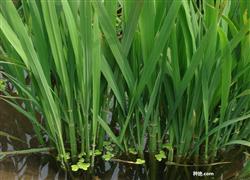
What is the best time for chemical weed control in rice fields?
When should chemical weed control be carried out in rice fields? Please explain. Weeds in paddy fields have a major impact on rice growth. They compete with rice for fertilizer, water and light, directly affecting rice growth and, in severe cases, causing yield reductions. Therefore, doing a good job of chemical weed control in paddy fields is very important for promoting normal rice growth. Entering June, rice in Dali City has...
-
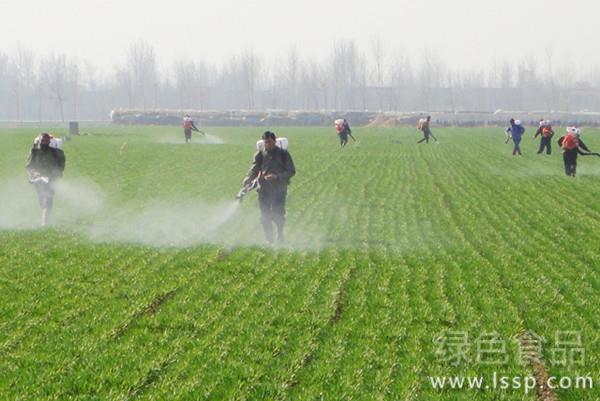
How to manage spring wheat fields well during the critical growth period of wheat
Spring wheat field management measures during the critical growth period of wheat
-
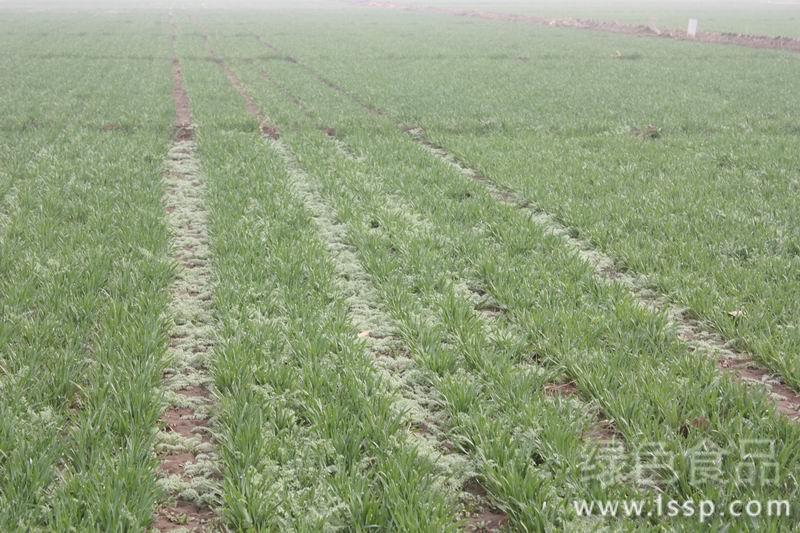
Weeds in wheat fields cause serious damage; what control measures are there?
Serious damage from wheat field weeds, growth and control measures
-
A Detailed Guide to the Correct Use of Herbicides in Watermelon Fields
How should herbicides be used correctly in watermelon fields? Please note the following points when using herbicides in watermelon fields: 1. Choose the right herbicide. There are many herbicide varieties available for watermelon production, and the most commonly used ones include 48% trifluralin emulsifiable concentrate, 25% nitrofen wettable powder, 33% pendimethalin emulsifiable concentrate, 48% butralin emulsifiable concentrate...
-
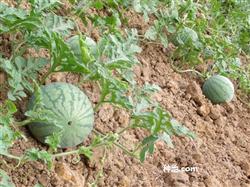
What are the methods for applying herbicides in watermelon fields?
How are herbicides applied to watermelon? What should be noted? To reduce and prevent mistakes in applying chemical herbicides to watermelon, the following issues should be noted in application technique. 1. Correctly select the herbicide. There are many herbicide varieties available for watermelon production, the most commonly used being 48% trifluralin emulsifiable concentrate, 25%...
-
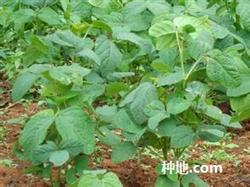
What are the commonly used herbicides in soybean fields?
What herbicides can be used for growing soybeans? How to use them without causing phytotoxicity. Fomesafen (fluoroglycofen-ethyl) is a herbicide for controlling broadleaf weeds with a relatively broad weed-killing spectrum. After application, contact phytotoxic spots will appear on soybean leaves; this is normal and has no obvious effect on soybean growth, and newly grown leaves will show no phytotoxicity. Value...
-
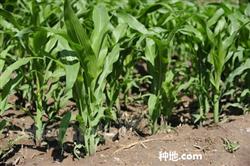
Which herbicides work well in corn fields?
Which herbicide is best for corn? And how should it be applied? Summers are rainy, and weeds are widespread in corn fields. The main weeds include crabgrass, barnyardgrass, green foxtail, goosegrass, redroot pigweed, purslane, copperleaf, and purple nutsedge. Corn is most severely harmed by weeds at the seedling stage, so chemical weed control should...
-
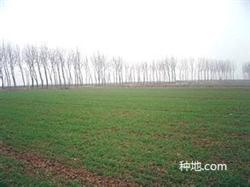
What are the precautions for using herbicides in wheat fields?
What should be noted when using herbicides in wheat fields? How should it be done? Applying herbicides to wheat requires the following strict practices: Strictly select herbicide varieties. There are many types of herbicides, and each herbicide has a certain spectrum of weed control. Some herbicides have a very narrow weed control spectrum, such as barban, which can only control wild oats; MCPA controls shepherd's purse, purslane, and wild oats very well, but its effect on cleavers is very poor; 2,4-D is effective against broadleaf weeds such as amaranth, but ineffective against grass weeds. Farmers should choose the right herbicide according to the most common weed species in the wheat field in order to achieve the desired effect. To control broadleaf weeds, herbicides such as chucaojing, dicaojing, tribenuron-methyl, and baijia mixture can be selected for good control results; however, metsulfuron-methyl, chlorsulfuron, and maicaoer can only be used early in wheat fields under a rice-wheat rotation system. If crops such as cotton, corn, peanuts, or beans are planted after rice, serious phytotoxicity will occur, leading to frequent incidents of almost total crop failure.
-
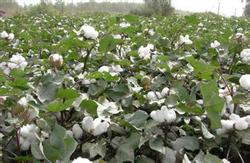
Five precautions for using regulators in cotton fields
1. Pay attention to the scope of application. Cotton fields suitable for plant growth regulators must have good water and fertilizer conditions, and the cotton must show a tendency to excessive growth or already be growing excessively. They must not be used in cotton fields where the climate is dry and irrigation is not possible, where growth is weak, or where growth is inhibited by pests and diseases. 2. Pay attention to the application period. Mepiquat chloride generally...
-
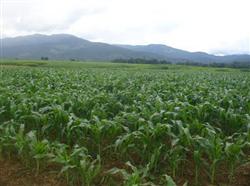
What are the precautions for using post-emergence herbicides in corn fields?
I. 2,4-D butyl ester. (1) Causes of phytotoxicity. Applying the herbicide too late, at too high a dose, or unevenly can cause phytotoxicity. (2) Symptoms of phytotoxicity. When the herbicide is applied to the soil, the young shoots bend and the young roots grow upward, then later return to normal. When the herbicide is applied to stems and leaves, the stems become twisted, the leaves become narrower, ...
条件筛选