-
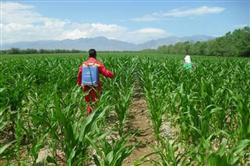
Precautions for Using Glyphosate for Weed Control in Corn Fields
What should be noted when using glyphosate for weed control in corn fields? Please give an introduction. Glyphosate is a systemic herbicide. When used for weed control in corn fields, if used improperly, it can cause damage to corn. There are mainly the following reasons: First, a lack of understanding of the properties of glyphosate. Glyphosate is a systemic her...
-
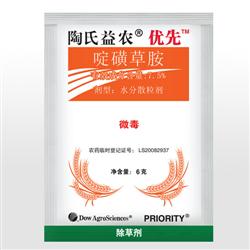
How is the herbicide pyroxsulam used in wheat fields?
How is the herbicide pyroxsulam used in wheat fields? Please give an introduction. Pyroxsulam 7.5% water-dispersible granules, a priority for weed control in wheat fields, is a sulfonamide herbicide launched in the winter of 2009 by Dow AgroSciences of the United States for controlling grass weeds in wheat fields while also controlling broadleaf weeds. In recent years, through a large number of trials and...
-
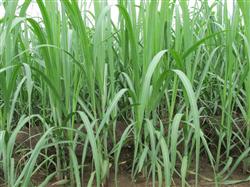
How can herbicides be mixed and applied in sugarcane fields for good results?
How should herbicides be mixed and applied in sugarcane fields? What should be noted? When mixing herbicides for sugarcane, you need to grasp the following principles: First, the weed control spectrum of the two herbicides should differ. Second, fast-acting agents should be mixed with slow-acting agents, and long-lasting agents should be mixed with short-lasting agents. Third, in...
-
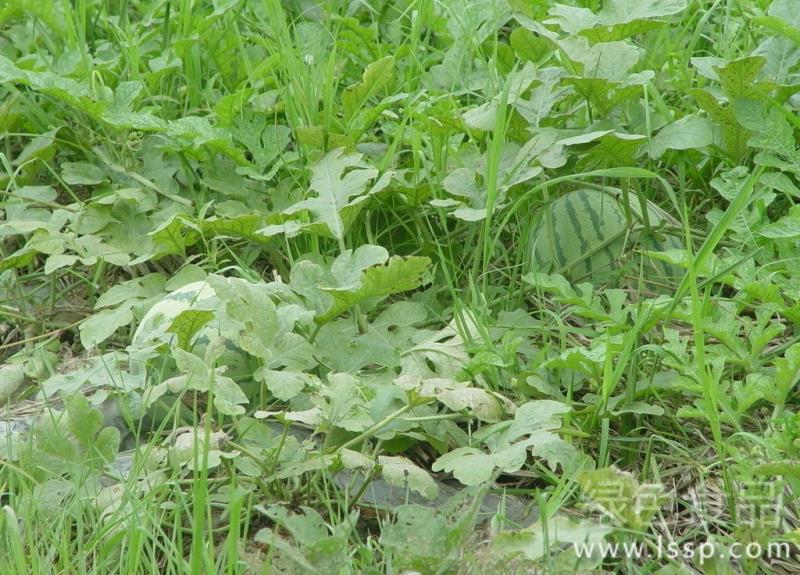
Weeds in watermelon fields compete for nutrients and cause reduced yields; how to effectively remove weeds
Weeds competing for nutrients cause watermelon yield reduction; how to cleverly remove weeds in watermelon fields
-
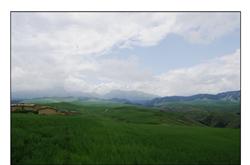
Can acetochlor be used for soil-sealing weed control in barley fields?
Can acetochlor be used for soil sealing in barley fields? Please advise: acetochlor wettable powder is a mixed formulation of thifensulfuron-methyl and acetochlor, and both of these active ingredients can be applied in barley fields. You can refer to the application method for wheat fields in the product instructions, spraying after sowing and before emergence to carry out soil-sealing treatment, or you can...
-
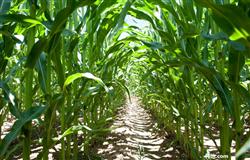
What should be noted when using chemical herbicides in corn fields?
What should be noted when using chemical herbicides in corn fields? Please advise on the following issues to note when using chemical herbicides in corn fields: 1. Improper selection of variety. Different herbicide varieties have different control effects on weeds. Some farmers do not understand chemical herbicides and mistakenly believe some casual claims, thinking that any herbicide can control weeds, result...
-
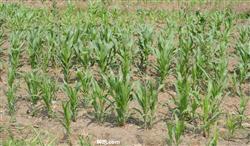
What precautions should be taken for chemical weed control in corn fields?
What should be noted when using chemical weed control in corn fields? Please explain. Currently, chemical weed control in corn fields accounts for about 70% of the corn planting area. Most of the herbicides used in production are atrazine plus acetochlor or their compound formulations. However, because atrazine has a long residual effect and poses a threat to the safety of subsequent crops, it is not...
-
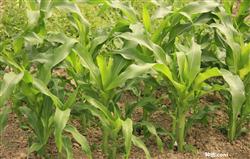
How to Prevent and Control Herbicide Damage in Corn Fields
How do you prevent and control herbicide damage in corn fields? Please advise. You can refer to the following methods for preventing and controlling herbicide damage in corn fields: 1. Causes of herbicide damage. The safety of herbicides to crops is relative; only when used reasonably and as directed are they safe to crops. In corn production, herbicides may cause damage for a variety of reasons...
-
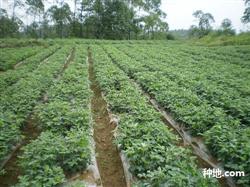
Chemical Weed Control Methods and Technical Key Points for Peanut Fields
How is chemical weed control carried out in peanut fields? Please explain. Peanut is one of the major economic crops, and in the cultivation process, the most labor-intensive and time-consuming task is weeding. The major harmful weeds occurring on peanut land include grass-family weeds such as large crabgrass, green foxtail, Chinese sprangletop, purple nutsedge, goosegrass, and late barnyardgrass; broadleaf weeds include field thistle, feather cockscomb, chickweed, prickly lettuce, small bindweed, shepherd's purse, knotweed, lambsquarters, amaranth, bean and black nightshade, etc.
-
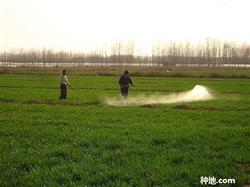
Chemical Weed Control Methods and Technical Points for Winter Wheat Fields
How to chemically control weeds in winter wheat fields? Please guide. For chemical weed control in winter wheat fields, you can refer to the following methods: 1. Control agents: 3% Shima oil suspension concentrate (mesosulfuron-methyl); 3.6% Kuoshima water-dispersible granules (mesosulfuron-methyl + iodosulfuron-methyl-sodium). 2. Usage amount: Shima...
条件筛选