Which herbicides work well in corn fields?
Which herbicide is best for corn? And how should it be applied? Summers are rainy, and weeds are widespread in corn fields. The main weeds include crabgrass, barnyardgrass, green foxtail, goosegrass, redroot pigweed, purslane, copperleaf, and purple nutsedge. Corn is most severely harmed by weeds at the seedling stage, so chemical weed control should...
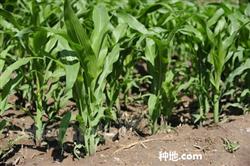
Which herbicide is best for corn? And how should it be applied?
Summers are rainy, and weeds are widespread in corn fields. The main weeds include crabgrass, barnyardgrass, green foxtail, goosegrass, redroot pigweed, purslane, copperleaf, and purple nutsedge. Corn is most severely harmed by weeds at the seedling stage, so chemical weed control should focus on two key periods: after sowing but before emergence, and early post-emergence.
I. Main types of single-ingredient herbicides
1. Amide herbicides: This category is currently the most important type of herbicide for corn fields. It can be absorbed by weed shoots and applied as a soil-sealing treatment before weeds germinate, effectively controlling annual grass weeds and some annual broadleaf weeds. There are many varieties in this category, such as acetochlor, alachlor, butachlor, metolachlor, and propisochlor.
2. Triazine herbicides: These can effectively control annual broadleaf weeds and annual grass weeds. They are mainly absorbed by weed roots, and can also be absorbed in small amounts by weed stems and leaves. Representative varieties include atrazine, cyanazine, simazine, and prometryn. Among them, atrazine is used more widely, is relatively safe for corn, and has the highest activity. When mixed with acetochlor and similar products, it can reduce the dosage, improve weed control efficacy, and increase safety for subsequent crops.
3. Phenoxycarboxylic acid herbicides: These are mainly used for post-emergence control of broadleaf weeds and purple nutsedge in corn. Representative varieties include MCPA sodium salt and 2,4-D butyl ester. Among them, MCPA sodium salt is widely used in corn fields to control purple nutsedge, but improper timing of use can easily cause phytotoxicity.
4. Sulfonylurea herbicides: Nicosulfuron and rimsulfuron can be used in corn fields to control grass weeds, cyperaceae weeds, and some broadleaf weeds; thifensulfuron can be used in corn fields to control annual broadleaf weeds.
5. Other herbicides: Paraquat and glyphosate are non-selective herbicides and can be applied as directed sprays after corn reaches 40 cm in height to effectively control various weeds; fluroxypyr, dicamba, bromoxynil, bentazone, and other varieties can also be used to control broadleaf weeds in corn fields.
II. Several points to note
Choose the herbicide variety according to the corn variety.
For pre-emergence soil-sealing treatments, good soil moisture is required, and sufficient water volume should be used during application.
When using post-emergence herbicides, pay attention to the seedling age. Except for a few herbicide varieties that are relatively safe, most require attention.
Do not mix herbicides and insecticides arbitrarily.
Cheap herbicides generally have low active ingredient content, poor efficacy, and are not safe; some contain 2,4-D butyl ester or MCPA and similar substances, and can easily cause phytotoxicity.
Click to see more corn planting techniques
Click to see more herbicide application techniques
Click to see more pesticide use techniques
Click to see more herbicide application techniques
Click to see more pesticide use techniques
Related Articles
- How to Use Glyphosate Herbicide and Its Soil Residual Period
- What are some practical ways to improve the effectiveness of pesticides?
- What are the precautions for using plant growth regulators?
- Key Management Points After Using Plant Growth Regulators
- What are the advantages of plant growth regulators?
- Why is the pesticide effect poor after application?
- How to use insecticides for the best results? A detailed guide to the correct method of use
- Detailed Explanation of Plant Growth Regulator Application Methods