-
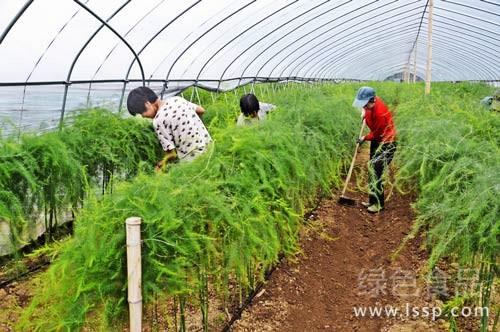
Key points for winter clearing of asparagus fields to ensure overwintering and harvest the following year
Winter clearing points for asparagus to ensure overwintering and harvest the following year
-
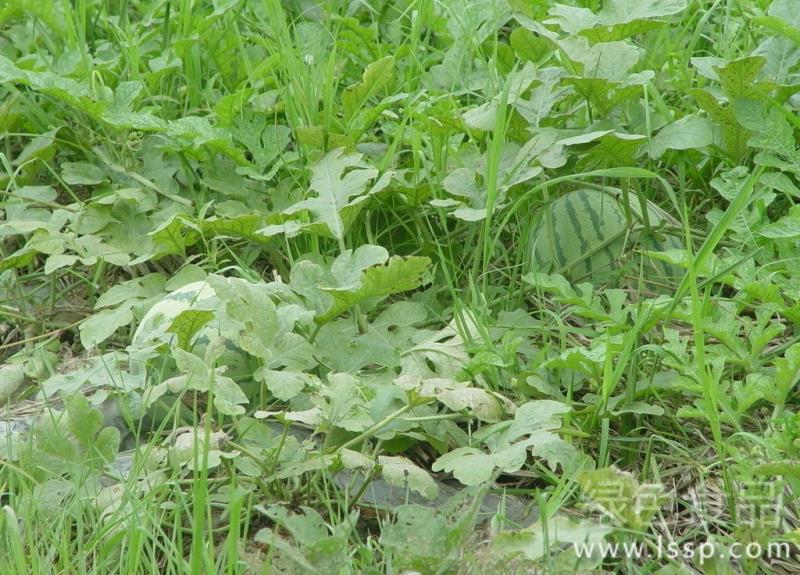
Weeds in watermelon fields compete for nutrients and cause reduced yields; how to effectively remove weeds
Weeds competing for nutrients cause watermelon yield reduction; how to cleverly remove weeds in watermelon fields
-
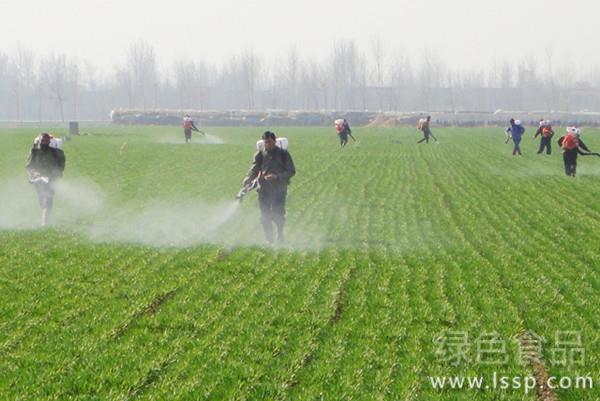
How to manage spring wheat fields well during the critical growth period of wheat
Spring wheat field management measures during the critical growth period of wheat
-
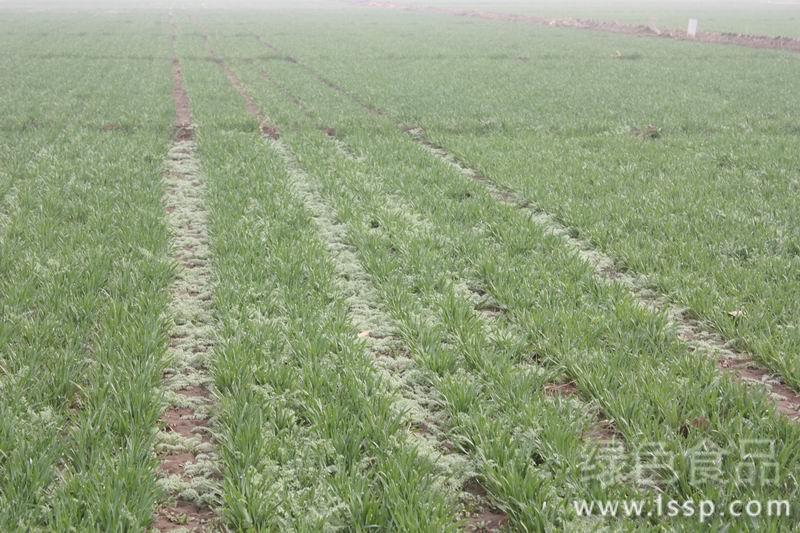
Weeds in wheat fields cause serious damage; what control measures are there?
Serious damage from wheat field weeds, growth and control measures
-

How to double-crop cauliflower in spring wheat fields? Cultivation techniques for double-cropping cauliflower after spring wheat
Yield and output value Cauliflower yields an average of 1500-2000 kg, with an output value of 500-600 yuan. The main varieties are Beijing Holland Snowball 80 days, Jinxuan 31-9-8, and Japanese Snow Mountain 80 days. Beijing Holland Snowball 80 days is suitable for autumn vegetable cultivation. This variety has strong growth, a compact plant type
-
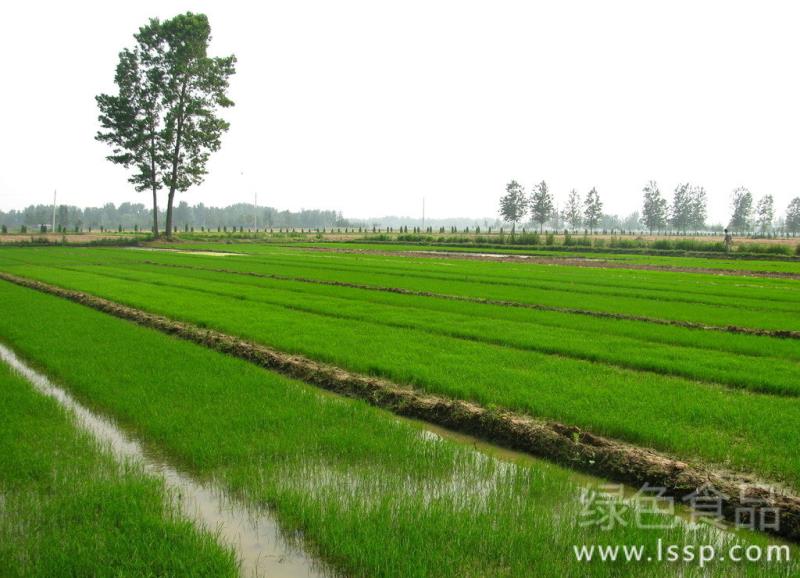
Detailed Explanation of Improvement Methods and Fertility-Building Measures for Saline-Alkali Paddy Fields
Improvement Methods and Fertility-Building Measures for Saline-Alkali Paddy Fields
-
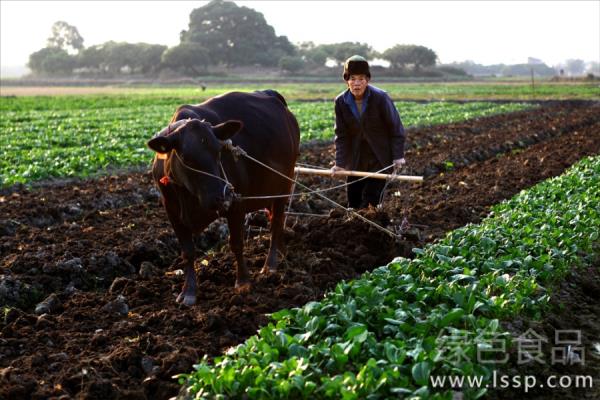
Management methods for eliminating overwintering cotton bollworm through winter plowing of cotton fields
Methods for managing winter plowing of cotton fields to eliminate overwintering cotton bollworm
-
What is the application ratio of special fertilizer for cotton drip-irrigated fields?
I. Total fertilizer application for cotton In high-latitude marginally suitable cotton areas, for a seed cotton yield of 300-380 kg, 70-80 kg of natural fertilizer is needed, equivalent to 160-180 kg of standard fertilizer. This achieves "a jin of fertilizer for a jin of cotton." Applying 1 kg of standard fertilizer can produce 1 kg of lint cotton. Soil test results and cotton plant nutrient diagnosis in Regiment 137 generally show zinc deficiency; applying 1-2 kg of zinc fertilizer in autumn increases yield by 5%-10%. For plots with abundant potassium according to test results, potassium fertilizer application is 5-10 kg, especially
-
How to release seedlings after mulching cotton fields with plastic film? Practical tips to share
In plastic-film-mulched cotton fields, the temperature is high, and seedlings emerge quickly and evenly. It takes 8 days from sowing to emergence, and 3 to 4 days after emergence for full stand. After full stand, if the late frost has passed, holes should be broken to release the seedlings. Releasing seedlings too early means they cannot achieve full stand or complete stand; too late is not good for strong seedlings, and if high temperatures occur, it often causes seedling scorching. For drill sowing, holes should be punched according to plant spacing to release seedlings; for hole sowing, holes should be punched according to seedlings. After breaking the film and releasing seedlings, cover the openings with soil to prevent moisture loss, temperature drop, film lifting by strong wind, and weed growth. When releasing seedlings, grasp the principle of releasing green but not yellow, that is, cotton seedlings with flat and expanded cotyledons can be released; yellow-valve seedlings that have not expanded, if released, are easily dried by wind or killed by sun, and cannot be released through holes.
-
How can bamboo-leaf grass in cotton fields be controlled effectively?
First choose a suitable herbicide, then decide the dosage according to the weed species, leaf age and humidity level. For example, when using fluazifop-P-butyl to control annual weeds, when soil moisture is suitable, the effective ingredient dosage per mu is 9-17 grams; under drought conditions it is 17-24 grams; to control perennial weeds, the effective ingredient dosage per mu is 27-45 grams. Spray on the stems and leaves when grass weeds are at the 2-5 leaf stage. In summer, apply the herbicide on windless days, in the early morning and evening when temperatures are lower; uniform spraying is required, and keeping
条件筛选