What is the best time for chemical weed control in rice fields?
When should chemical weed control be carried out in rice fields? Please explain. Weeds in paddy fields have a major impact on rice growth. They compete with rice for fertilizer, water and light, directly affecting rice growth and, in severe cases, causing yield reductions. Therefore, doing a good job of chemical weed control in paddy fields is very important for promoting normal rice growth. Entering June, rice in Dali City has...
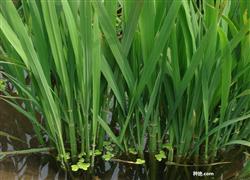
When should chemical weed control be carried out in rice fields? Please explain.
Weeds in paddy fields have a major impact on rice growth. They compete with rice for fertilizer, water and light, directly affecting rice growth and, in severe cases, causing yield reductions. Therefore, doing a good job of chemical weed control in paddy fields is very important for promoting normal rice growth. Entering June, large areas of rice in Dali City had entered the tillering stage. According to a survey of rice seedling conditions, some paddy fields showed dead rice leaves. This is phytotoxicity caused by farmers blindly applying chemical herbicides without following the instructions.
The techniques for chemical weed control in paddy fields are introduced as follows:
1. Weed control technique at the bud stage: 7-10 days after rice transplanting, during the weed germination stage, apply 200-250 ml of 50% benthiocarb per mu mixed with 30 kg of soil and broadcast, or apply 50 g of barnyardgrass herbicide powder mixed with 10 g of Xindeli per mu. Maintaining water for 7-10 days gives a better effect.
2. Weed control technique at the seedling stage: At the 1-3 leaf stage of weeds, apply 100 g of 50% prometryn per mu, mixed with 30 kg of soil and broadcast, and maintain water for 7-10 days. This can ensure the weed control effect, guarantee normal rice growth, enable the seedlings to root early, turn green early, tiller early, mature normally, and ultimately not affect rice yield.
It is reported that the main weeds in paddy fields can be divided into three major categories: grass family weeds, broadleaf weeds, and sedge family weeds.
Click to get more rice planting techniques
Click to get more herbicide application techniques
Click to get more pesticide application techniques