-
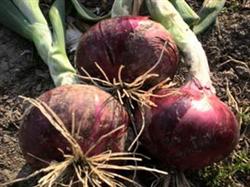
Early control methods for four onion diseases
The main onion diseases are downy mildew, gray mold, rust and soft rot, and they should be controlled early. Downy mildew and gray mold Downy mildew mainly damages the outer leaves and flower stalks of onions. The suitable temperature for the disease is 10-20°C, and it can occur from April to May or from November to December. At the beginning of the disease, affected plants show oblong or band-shaped sunken lesions on the outer leaves...
-
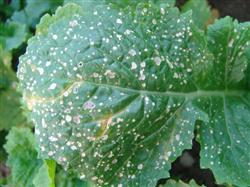
What are the key points of radish pest and disease control techniques
This disease mainly damages cruciferous vegetables such as Chinese cabbage, bok choy, cabbage, and radish. It occurs commonly across the country, and is severe in northern regions. (1) Symptoms: It mainly damages the leaves. At the early stage of the disease, small grayish-brown round spots are scattered on the leaf surface, which then gradually expand into irregular round lesions, with the center turning grayish-white, and 1 to...
-
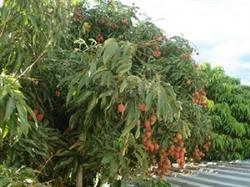
What are the main pests and diseases of lychee in March?
1. Downy blight: also called downy mildew blight. It mainly damages the fruit, and also infects flower clusters and young leaves. When the fruit is affected, the disease usually starts at the fruit stem, with irregular lesions appearing on the fruit skin surface that gradually spread, eventually turning the entire fruit black, rotting the flesh, producing a sour, fermented, wine-like smell, and with a white frost-like substance on the outside of the diseased fruit, causing fruit drop....
-

How is integrated control of lotus root diseases carried out?
I. Lotus root brown spot disease A common disease of lotus leaves, producing light brown lesions on the leaves, causing localized drying of the affected leaves. Control: Reasonable close planting to ensure ventilation and light penetration in the lotus field; appropriately increase the application of phosphorus and potassium fertilizers to improve plant resistance, and promptly remove diseased plant residues. At the early stage of the disease, use 25% carbendazim 600x solution, or 75% chlorothalonil...
-

Six Common Lotus Root Diseases and Their Control Methods
I. Main Disease Types June and July are the peak growing period for lotus roots and also the peak period for various diseases, so doing a good job of disease control is key. As an instructor in the agricultural science and technology system, I propose lotus root disease control techniques to guide demonstrators and lotus root farmers in production. 1. Lotus root rot, also known as black root disease, lotus root...
-
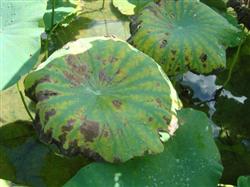
Occurrence Patterns and Control Methods of Lotus Root Brown Spot Disease
Brown spot disease is a major disease of lotus root, widely distributed, and can occur in spring, summer, and autumn. Generally, diseased plants account for 30%-50%, and in severe cases, the incidence rate can reach over 80%, significantly affecting lotus root yield and quality. 1. Symptoms This disease mainly affects the leaves and leaf stalks of lotus root. In the early stage of leaf infection, small brownish-green...
-
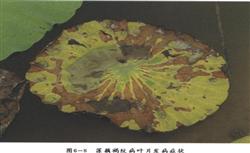
Detailed Guide to Identifying and Controlling Lotus Root Brown Streak Disease Symptoms and Control Methods
Lotus root brown streak disease is widely distributed and occurs in all regions, but it only harms lotus root. 1. Pathogen: This disease is caused by infection with fungi of the genus Alternaria in the Deuteromycotina. The pathogen overwinters in lotus fields as mycelium and chlamydospores with diseased plant residues, and produces conidia under high temperature and high humidity, spreading by wind and rain. 2. Symptoms...
-

What exactly is the relationship between tea and disease? Understand it before you drink tea
Data published by institutions such as Case Western Reserve University in the United States, the National Cancer Center of Japan, and Curtin University of Technology in Australia on "research on tea and cancer" shows that people who regularly drink tea have a disease incidence rate more than 60% lower than those who do not drink it often. The price of tea...
-

How to increase the sprouting rate of orchids? These little tips are very practical
On the question of how to increase the sprouting rate of orchids, the important thing is still to first do the most routine care work for the orchids. On the basis of the most routine care work, then slowly try some new scientific methods. With some new...
-
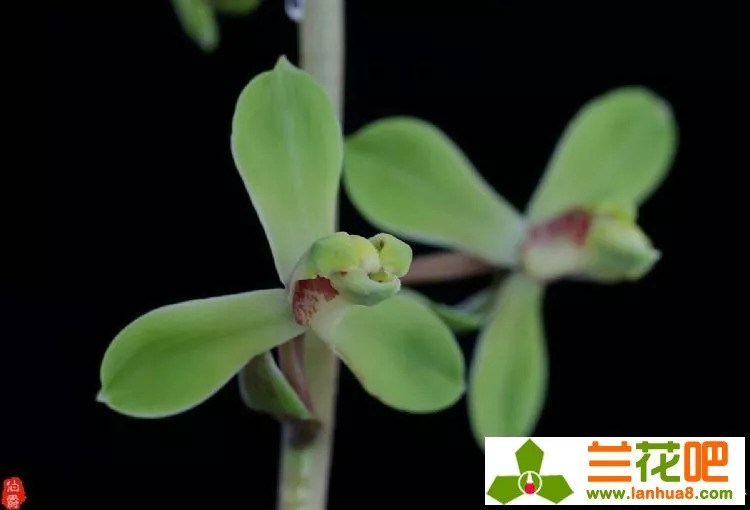
Remember these 3 key points for orchid disease prevention
Promote Chinese orchid culture, spread orchid knowledge. Orchid diseases mostly begin with soggy, stuffy, unclean substrate or overly dry substrate. When the substrate is soggy and stuffy and unclean, air is pushed out, pathogens multiply in large numbers, orchid roots are damaged, and various diseases arise from this, harming the orchid plant. When the substrate is too...
条件筛选