-
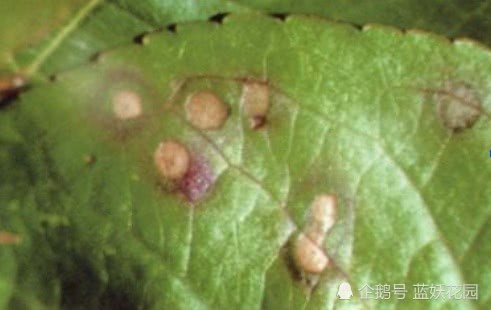
The peony grows weak and spindly - it may have caught this disease
20. Is your peony growing very weak and spindly? Watch out - it may have caught this disease! This is an excerpt from the original "Peony Cultivation" column article by Lan Yao. Yesterday Lan Yao introduced the 4 common major diseases of peonies. Besides those four major diseases mentioned yesterday, there are some other diseases that peonies are also prone to, so today let's continue introducing them.
-
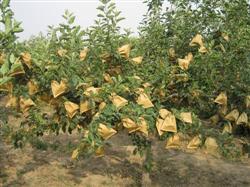
Pest and Disease Control Methods for Pear Trees Before Bagging in Early Spring
The period before and after bud break in early spring is when diseases and pests begin their activity, and once the pear orchard is bagged, spraying becomes considerably more difficult. Therefore, pest and disease control before bagging is the key to pest and disease management in bagged pear orchards. During this period, the focus should be on strengthening control of the pear psylla (Psylla pyrisuga), pear aphid, and red spider mite, among others. (1) Strengthen soil, fertilizer, and water...
-

The grass you can grow on your roof insulates against sound and prevents leaks, is free of pests and diseases, and is highly effective for treating bites, burns and scalds
Imagine: in the countryside, how beautiful it would be if your roof were completely covered with grass! Some farmers would start to worry about the roof leaking. If you plant Sedum lineare, there is no need to worry at all. Sedum lineare is a succulent...
-
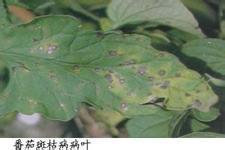
Early prevention and control of autumn tomato leaf spot disease works well
Leaf spot disease: In the early stage of the disease, spray with a 500-fold dilution of 70% mancozeb wettable powder, or a 500-fold dilution of 50% carbendazim wettable powder, once every 7 days, for 3~4 consecutive sprays.
-
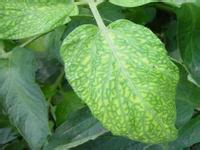
Early prevention and control of autumn tomato virus disease gives good results
Virus disease: In the early stage of the disease, spray with a 500-fold dilution of 20% Virus A wettable powder, or a 1000-fold dilution of potassium permanganate, once every 7 days, for 2 to 3 consecutive sprays.
-
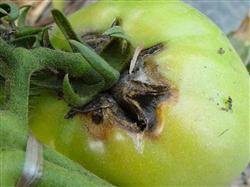
Key Technical Points for Preventing Physiological Diseases of Autumn Tomatoes
Early blight: After onset, concentric ring-patterned lesions appear on the leaf surface, dark brown, water-soaked. Before and after onset, spray with a 500-fold dilution of 70% mancozeb wettable powder, or a 400-fold dilution of 75% chlorothalonil wettable powder, once every 7 days, for 3 to 4 consecutive sprays.
-
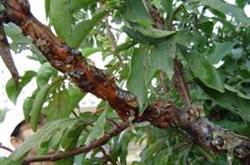
Plum tree gum disease is highly damaging, and complete eradication is imperative
Plum tree gum disease is an important disease on the trunks and branches of plum trees. When it occurs severely, it often causes the trunks to dry up and die, greatly affecting tree vigor and yield. It mostly occurs in warm and rainy seasons, especially in the south. Control measures: 1. Strengthen cultivation management. Apply sufficient base fertilizer when planting plum trees, and after entering full production years, increase fertilizer application...
-
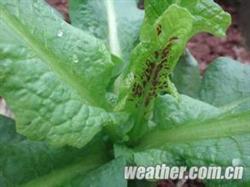
How to prevent and control lettuce virus disease? Aphid control is key
Virus disease is a major disease of lettuce and stem lettuce, occurring commonly, and currently there is no ideal chemical control available either domestically or abroad. Prevention should be the main approach, adopting agricultural control measures and timely control of aphids. Virus disease is caused by virus infection, and in the field it is mainly transmitted by aphids and through sap contact during farming operations. Diseased plants...
-
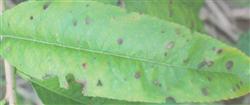
A Detailed Guide to Common Pests and Diseases of Plum Trees and Their Control Methods
After the first pinching of plum trees, pinch the new secondary shoots when they reach 20 cm, and pinch the developing branches when they reach 60-80 cm. If there are many branches, some can be thinned out; if the branches are not too dense, thin as little as possible and rely more on control. Before mid-July, clear all weeds from the orchard. 1. Bacterial shot hole disease, can use carbendazim...
-
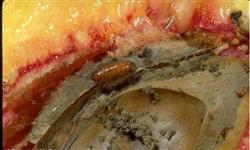
Spring Pest and Disease Control Methods for Protected Plum Trees
1. Mound soil at the base of the trunk. Before overwintering adults emerge from the soil (mid to late May), build a 10 cm thick mound of soil around the tree basin and tamp it down firmly so that emerging adults cannot come out of the soil. 2. Apply pesticide to the ground. Before overwintering adults emerge (after petal fall), spray the tree basin with 75% phoxim emulsifiable concentrate at 0.5 kg/mu, or 40...
条件筛选