-
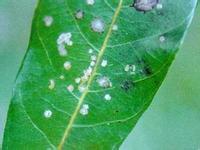
Methods for Controlling Pests and Diseases of Lychee and Longan in Autumn and Winter
I. Pest species during the autumn shoot stage and their control. Autumn shoots are next year's fruiting branches; if they are eaten bare by pests, it will seriously affect next year's flower bud formation. The main pests of autumn shoots are leaf-eating types, including various geometrid moths and various leaf-rolling insects. Among them, the eriophyid mite (felt disease) and the longan psyllid, etc., cause the most serious damage from September to November each year...
-
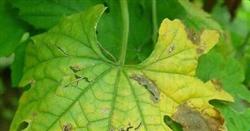
Act quickly to prevent and control diseases in eggplant, melon and bitter gourd
New leaves become smaller, narrow and elongated, shrunken, hardened and distorted; diseased plants are obviously stunted and find it hard to set fruit; even if fruit is set, it is deformed and hardened with a mottled surface.%26rdquo; Recently, a farmer brought a diseased bitter gourd vine and anxiously went to the municipal plant protection station for consultation and told this author about it, asking what disease it was and seeking a solution...
-
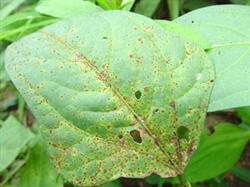
How to prevent and control diseases of yardlong beans? A detailed guide to practical methods
I. Main symptoms The yardlong bean can be infected by pathogens throughout its entire growing season, but its resistance weakens and susceptibility increases from the beginning of flowering to the fruiting period. The disease mainly attacks the leaves; in the early stage of the disease, chlorotic yellow-white spots appear on the leaves, and the spots gradually increase until they densely cover the entire leaf. The plant is short and stunted, with few and small pods, and its growth...
-
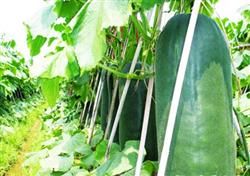
How to identify and control common diseases and pests of winter melon?
Spring-planted winter melon is rich in nutrients; every 100 grams of fresh melon contains 96.6 grams of water, 0.4 grams of protein, 19 mg of calcium, 12 mg of phosphorus, 18 mg of vitamin C and other nutrients. In recent years, demand for winter melon has been increasing in various places. Spring-planted winter melon has high yields, and some varieties can reach up to 10,000 kg, after...
-
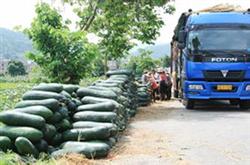
There are many local varieties of winter melon, and pest and disease control needs to be strengthened
Winter melon has high yields and is widely cultivated in our country. Every year when the autumn harvest peak arrives, prices often plummet. If farmers use their existing conditions to store winter melon for extended preservation, they can both extend the sales and supply period of winter melon and increase economic benefits, making it worth promoting and applying. 1. Suitable storage conditions and preparation before storage: Winter melon likes...
-
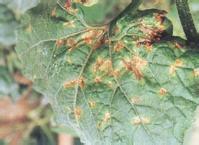
How to prevent and control angular leaf spot of winter melon? First, recognize the disease symptoms
Symptoms: It mainly affects leaves, petioles, and fruit. It can be affected from the seedling stage to the mature plant stage. When true leaves are infected, bright green water-soaked spots appear first, gradually turning light brown; the lesions are restricted by leaf veins and become polygonal, yellow-brown, and when humidity is high, milky white cloudy water-drop-like bacterial ooze exudes from the underside of the leaves, and the diseased tissue is brittle and easily perforated. When stems and petioles are infected, ...
-
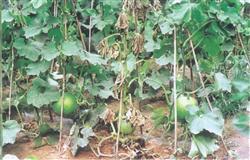
What are the control methods for winter melon pests and diseases?
Fusarium wilt is the most serious disease affecting autumn-planted winter melon. It strikes when the plant begins to flower and set fruit, causing the vines to wither and die. This disease is a fungal disease, and when it occurs severely, it spreads aggressively and rapidly, affecting entire patches and killing whole plants, resulting in heavy losses. Close attention must be paid to its control in order to protect the stems and vines and promote flowering and fruit set....
-
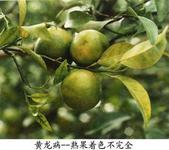
How to identify and control citrus huanglongbing (citrus greening disease)?
I. Symptoms The typical early symptom of a diseased tree is that 1-2 or several shoots with yellowing leaves appear in the deep green canopy. There are two symptom types of these yellowed shoots: one is uniform yellowing of the entire leaf, and the other is a leaf with one patch yellow and one patch green, alternating yellow and green, called the mottled type. The common feature of these two types of leaves...
-
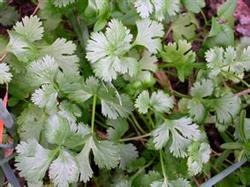
What are the common diseases of cilantro? Detailed explanation of prevention and control methods
Coriander (cilantro) is used as a seasoning vegetable; it is nutritious and simple to cultivate and manage. The key points of coriander cultivation techniques are introduced as follows: Characteristics of coriander. Coriander belongs to the Apiaceae family. It can withstand low temperatures of -1°C to 2°C, and its suitable growing temperature is 17°C to 20°C. Above 20°C it grows slowly, and at 30°C it stops growing. Coriander has requirements for soil...
-
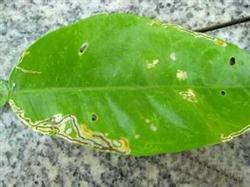
Key Technical Points for Pest and Disease Control in Citrus in Summer and Autumn
1. Whitefly: Both adults and larvae can harm citrus leaves and fruits, sucking sap with piercing-sucking mouthparts and secreting large amounts of honeydew that contaminates leaves and fruits, causing sooty mold. Because whitefly reproduces quickly, has many hosts, and spreads easily, large-scale coordinated control is needed to achieve good results. (1) Control timing: when...
条件筛选