What are the main diseases of soilless-cultivated vegetables? A detailed guide to prevention and control methods
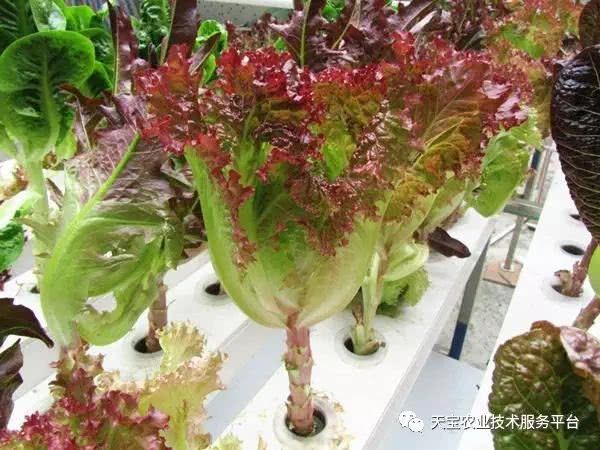
At present, soilless cultivation in China includes nutrient solution soilless cultivation, organic ecological soilless cultivation, nutrient solution hydroponics, and organic soilless cultivation mixed types, among other methods. The vegetables grown are mostly leafy vegetables, followed by fruit vegetables and melons. The types include bok choy, Chinese cabbage, lettuce, water spinach, celery, chives, tomato, sweet pepper, cucumber, melon, strawberry, etc.
Among the several cultivation methods, the ecological intelligent greenhouse hydroponics method, organic ecological soilless cultivation, and the dynamic floating-root hydroponic system have now been adopted by farmers. The ecological intelligent greenhouse is built on the basis of an ordinary glass greenhouse and uses a microcomputer system to regulate the cultivation conditions required for vegetable growth, including temperature, light, carbon dioxide concentration, and other factors, as well as the physical and chemical properties of the nutrient solution, so as to satisfy the growth needs of various vegetables to the greatest extent. The dynamic floating-root hydroponic system uses the flow of the nutrient solution during the irrigation and drainage process to make plant roots rise and fall with the nutrient solution between a depth of 4-8 cm while also fluctuating up, down, left, and right, so that the upper roots are exposed to the air layer, thereby increasing dissolved oxygen. Its advantages are high yield, no seasonal influence, suitability for intensive cultivation, small land occupation, suitability for areas with poor soil or water shortage, effective use of water and fertilizer, and suitability for mechanized cultivation. However, it should be pointed out that soilless cultivation has its own ecosystem. Once pathogens or pests invade, diseases and pests spread rapidly. In particular, some aquatic pathogens will spread to all plants with the circulation of the nutrient solution, causing root diseases.
Diseases of soilless-cultivated vegetables are mainly divided into two major categories: physiological diseases and infectious diseases. For physiological diseases, after vegetables are cultivated by the hydroponic method for a period of time, many unnecessary ions or toxins accumulate in the nutrient solution, and nutrient deficiency symptoms also appear, causing plants to become diseased. In production, as long as the fresh nutrient solution is replaced frequently, they can be prevented and controlled. Among infectious diseases, leaf diseases are basically the same as those in open-field cultivation, but root diseases have become a prominent problem in soilless-cultivated vegetables. In particular, root rot caused by Pythium is very difficult to control, and some soilless cultivation farms have abandoned cultivation because of this.
I. Characteristics of soilless cultivation diseases
The diseases in soilless cultivation are slightly different from those occurring in open-field or ordinary protected cultivation. The characteristics of disease occurrence in soilless cultivation:
First, diseases are transmitted by seeds or seedlings.
Diseases transmitted through seeds include three categories: fungal diseases, bacterial diseases, and viral diseases. Among fungal diseases, many vegetable seeds are infected when fungi invade during the maturation process, becoming seed-borne diseases. In others, during seed harvesting, because the seeds or seed coats are contaminated, the pathogens are introduced into the nutrient solution and cause secondary contamination through the circulation of the nutrient solution, such as gummy stem blight and anthracnose of cucumber and melon, and Fusarium wilt of tomato. Among bacterial diseases, bacterial canker of tomato and bacterial angular leaf spot of cucurbits can both enter the nutrient solution from seeds, contaminating the cultivation bed and causing disease.
Among viral diseases, many viruses can be transmitted by seeds, such as cucumber green mottle mosaic virus, melon necrotic spot virus, and tomato mosaic virus, all of which can enter the facility through seeds.
Second, diseases are transmitted by air or contamination of the ground surface inside the facility.
Many fungal or bacterial diseases often enter the nutrient solution through airflow and contamination of the soil surface and then transmit disease. For example, powdery mildew of melon and cucumber and powdery mildew of tomato all involve spores drifting into the cultivation bed with airflow. The pathogens of melon gummy stem blight and Phytophthora blight are carried by contamination in the facility or floating dust to the plant surface and cause disease. In addition, cucumber green mottle mosaic virus can also be transmitted through contaminated soil.
Third, diseases are transmitted through water contamination.
In soilless cultivation, the water source for the nutrient solution is groundwater, and pathogens can easily enter the nutrient solution during the process of water conveyance, such as bacterial wilt of tomato and soft rot of cabbage and brassica vegetables.
Fourth, diseases are transmitted by tools.
For example, viral diseases and bacterial diseases of solanaceous fruits and cucurbits are often transmitted through tools or hands during pruning, side-shoot removal, vine tying, and harvesting. In addition, thrips, whiteflies, and aphids that can enter the facility can also transmit various viral diseases.
Fifth, the use of contaminated nutrient solution or nutrient tanks can also transmit disease.
For example, after bacterial soft rot occurs in the previous crop, the pathogen will remain, and after new seedlings are planted, the pathogen can harm the new seedlings.
II. Current status of major disease occurrence in soilless cultivation
The main infectious diseases occurring under soilless cultivation include tomato powdery mildew; Pythium and Phytophthora root rot, powdery mildew, downy mildew, gummy stem blight, vine blight, sclerotinia rot, and viral diseases of cucumber, melon, and watermelon; black rot, soft rot, and viral diseases of heading Chinese cabbage; and bacterial leaf spot and bacterial soft rot of lettuce. Non-infectious diseases are mainly nutrient deficiency symptoms that may occur in soilless cultivation when management cannot keep up. In addition, in soilless cultivation, green algae often compete with crops for nutrients, leading to the occurrence of nutrient deficiency symptoms.
III. Prevention and control of major diseases in soilless cultivation
To prevent and control diseases occurring in soilless cultivation, the three principles of excluding diseases, avoiding diseases, and utilizing diseases should be implemented.
First, seed disinfection.
Seeds can be sterilized by dry heat, such as treatment at 70-72°C for 3 days, or soaking in warm water at 53-55°C for 20-30 minutes, or soaking in 10-100 times diluted hypochlorous acid for 60 minutes; all can remove pathogens on the seeds.
Second, disinfection of nutrient solution tanks and tools.
Use 75% alcohol or 50-100 times diluted potassium permanganate solution to disinfect nutrient solution tanks and tools to prevent pathogens from surviving and leaving hidden dangers.
Third, disinfection of greenhouses and equipment.
Before planting, all plant residues inside and outside the greenhouse and plastic tunnel must be removed, and clean plastic film should be laid on the ground to isolate the soil. For space disinfection, 3-4 wide-mouth bottles can be evenly placed in the greenhouse, and potassium permanganate and formaldehyde poured in. Use 4 grams of potassium permanganate and 4 grams of formaldehyde per cubic meter of space. Keep the greenhouse sealed for 24 hours, then ventilate, and plant only after the chemicals have completely volatilized. For disinfection of cultivation facilities and utensils, they can be soaked or flushed with running water using 1000 times diluted neutral calcium hypochlorite for 1-2 days. The residual liquid used for disinfection can be discharged onto the greenhouse floor or surrounding soil as environmental disinfection. After disinfection of facilities and utensils, they must be rinsed with clean water to remove residual liquid to prevent phytotoxicity.
Fourth, disinfection of the nutrient solution.
The nutrient solution can be disinfected and sterilized by physical, chemical, or fungicide treatment methods. Physical methods mainly include filtration, ultraviolet sterilization, ultrasonic treatment, and pasteurization; chemical methods mainly include ozone treatment, surfactants, and pesticides.
Fifth, cleanliness and hygiene of operators.
When operators enter or leave the plastic tunnel or greenhouse, they should first step on the foam mat soaked with disinfectant in the disinfection trough at the entrance. Use 84 disinfectant or 0.3% bleaching powder. The disinfectant should be added at least once a week. At the same time, relevant personnel should also be warned not to wash their hands in the water tank with nutrient solution.
IV. Commonly used fungicides and methods in soilless cultivation
Commonly used fungicides include hymexazol, carbendazim, and metalaxyl.
1. Hymexazol. It is widely used in circulating hydroponic tomato cultivation. Generally, when tomato roots grow out of the seedling block, add 20 mg of hymexazol (active ingredient) per 1 liter of nutrient solution, and then apply it once every 6 weeks thereafter, which can effectively control tomato Phytophthora blight and root diseases of cucumber, melon, and others.
2. Carbendazim. Mix 10 mg of carbendazim into 1 liter of nutrient solution every 2 weeks, which can effectively control black rot, brown rot, and vascular bundle diseases of hydroponic tomato.
3. Metalaxyl. Add 10 mg of metalaxyl per liter of nutrient solution every 3 weeks for 3 consecutive times, which can also effectively control tomato root diseases.
For strawberry red stele disease caused by Phytophthora, 1.6 mg of metalaxyl can be used for control, applied once every 2 weeks. For celery late blight, use 64 oxadixyl mancozeb wettable powder at 800 times dilution; for celery soft rot, use agricultural streptomycin at 150 mg per liter. In soilless cultivation, the concentrations of pesticides used are generally very low, only a few milligrams per liter to 20-30 mg. Excessive dosage or excessively high local concentration can cause phytotoxicity. For example, when hymexazol exceeds 50 mg/L, it will kill tomato roots. For substrate cultivation with nutrient solution supplied through drip irrigation equipment, the pesticide can first be diluted to the required concentration in the storage tank, mixed evenly, and then dripped into the cultivation substrate. In circulating hydroponics, fungicides should be added in portions according to the storage volume of the nutrient solution tank, stirred evenly, and then pumped into the cultivation bed to prevent excessively high local concentration and phytotoxicity.
V. Soilless cultivation must prevent continuous cropping obstacles and infectious disease problems arising after continuous cropping
For example, crop rotation can reduce the harm of pathogens left by the previous crop. In addition, when cultivating cucurbit crops in nutrient solution, for watermelon, bottle gourd can be used as rootstock, and grafting can also play a role in resisting Fusarium wilt.
LOVE. Soilless Farm
Soilless FarmShengguoju Mall
Discover the beauty of growing flowers