Detailed Explanation of Major Pests and Diseases of Camellia oleifera and Their Control Techniques
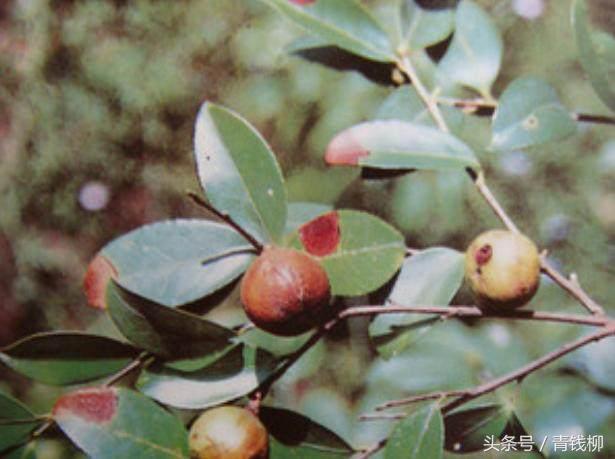
Major Pests and Diseases of Camellia oleifera and Their Control Techniques
1 Major Pests and Diseases of Camellia oleifera
During the cultivation of Camellia oleifera, there are many types of pests and diseases. The main diseases include anthracnose, sooty mold, soft rot, bacterial wilt and other diseases, and the main pests include tea silkworm, blue-winged longhorn beetle and others. At present, pest and disease problems in Camellia oleifera are relatively common. If the development of pests and diseases is left unchecked, it will adversely affect Camellia oleifera production, and may even cause plant death, resulting in losses to the economic benefits of the Camellia oleifera industry. After Camellia oleifera plants are infected by pests and diseases, problems such as dried flower buds, fallen leaves or premature fruit drop will occur, causing a reduction in Camellia oleifera yield. The yield reduction rate can reach about 10%, which has a certain restrictive effect on Camellia oleifera production, reduces its economic benefits, and seriously affects the development of the Camellia oleifera planting industry.
2 Control Techniques and Measures for Pests and Diseases of Camellia oleifera
In the process of pest and disease control in Camellia oleifera, attention should be paid to integrated control measures. Tree cultivation techniques can be used as the foundation, and then new Camellia oleifera varieties can be bred to give them a certain antiviral capacity. With the combination of chemical, biological and various other control techniques, an environment conducive to the control of Camellia oleifera pests and diseases can be created, the ability to control Camellia oleifera pests and diseases can be enhanced, tree growth can be strengthened, the emergence of pest and disease sources can be reduced, and the spread of pests and diseases can be inhibited, so that Camellia oleifera pests and diseases can be effectively controlled.
1.1 Rational Application of Planting Techniques
Camellia oleifera plants are light-loving and suitable for growing in a warm and humid environment. It must be ensured that the precipitation is above 1000mm, the sunshine duration is around 1500h, and the humidity is controlled at 77%. Only in this way can healthy growth of Camellia oleifera be ensured. For the soil environment, relatively deep and fertile land should be selected, with good drainage, and preferably strongly acidic soil.
When establishing Camellia oleifera forests, relevant technical personnel should avoid damp and shaded places to reduce the occurrence of pests and diseases. For relatively dense Camellia oleifera forests, attention should be paid to pruning branches, thereby improving the ventilation of the Camellia oleifera trees. In winter, diseased fruits in the orchard should be cleared away so that pathogens in the Camellia oleifera forest can be eliminated. Especially for major pests and diseases, varieties with a higher degree of disease resistance should be introduced, and in the process of cultivation and propagation, new varieties should be actively promoted to lay a good foundation for their development.
2.2 Chemical Control Techniques for Pests and Diseases of Camellia oleifera
Chemical control technology is currently the most widely used means of pest and disease control in Camellia oleifera. It has the characteristics of convenient operation and remarkable effect. Therefore, in the process of extensive application, attention should be paid to the following measures:
2.2.1 Soft rot of Camellia oleifera.At the early stage of onset, 1:1:120 Bordeaux mixture or Tuzet should be sprayed for control to better improve the control effect.
2.2.2 Tea blister disease.Bordeaux mixture or lime sulfur mixture must be sprayed on Camellia oleifera plants to achieve the purpose of control.
2.2.3 Anthracnose of Camellia oleifera.Before storage or sowing, 0.2% Tuzet should be used for seed dressing, and then 1:1:100 Bordeaux mixture + 1.5% tea seed cake water should be sprayed to effectively control the occurrence of anthracnose in Camellia oleifera.
2.2.4 Sooty mold.In summer, 0.5~1°Be lime sulfur mixture can be sprayed, and in winter, 3~5°Be lime sulfur mixture can be sprayed for control.
2.2.5 Southern blight of Camellia oleifera.At the initial stage of onset, copper sulfate solution should be used to irrigate it to prevent the spread of the disease and achieve effective control.
2.2.6 Tea silkworm.When the hatching rate of tea silkworm on Camellia oleifera reaches 17%, 0.5kg of Bacillus thuringiensis spore powder at 10 billion/g can be mixed with 100kg of water for control.
2.2.7 Tea branch stem borer. Use absorbent cotton dipped in dichlorvos and insert it into the insect hole, then seal it with mud to achieve the purpose of poisoning the larvae.
2.2.8 Tea longhorn beetle.Technical personnel can inject imidacloprid into trees with insects, and then use clay to seal the insect holes, so as to better improve the control quality.