What are the pest and disease control measures for Fritillaria ussuriensis
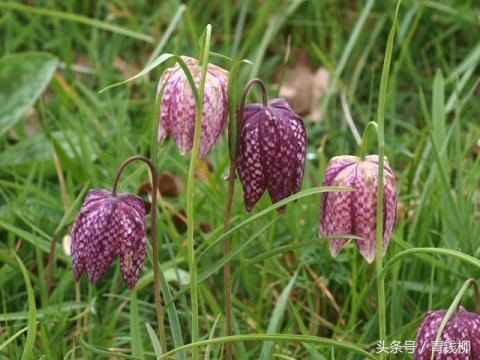
Pest and disease control measures for Fritillaria ussuriensis
1 Disease control
1. 1 Sclerotinia rot
Sclerotinia rot, also known as black rot, is the most serious underground disease of Fritillaria ussuriensis, damaging the bulbs. When the scale leaves of the bulb are affected, black spots appear, and the tissue beneath the spots turns gray; in severe cases the entire bulb turns black, shrivels and dry-rots, and black sclerotia the size of rice grains form beneath the bulb epidermis. The aboveground parts of affected plants wilt and wither. It occurs more severely in old fritillaria fields, causing large areas of missing plants or even the destruction of the entire field. It can occur from April to September each year, with the peak periods of infection being from soil thawing to the leafing stage and from summer dormancy to before the onset of winter
。
Control methods: Establish disease-free seed fields through sexual reproduction to supply disease-free planting material. When introducing planting material, strict quarantine must be carried out, removing diseased bulbs and screening out mixed soil; after planting, frequent inspections should be made, and if diseased plants are found they must be dealt with promptly by digging out the diseased plants and diseased soil, disinfecting the diseased holes with lime powder, replacing with new soil, and replanting with disease-free bulbs; rotate with field crops, preferably gramineous crops; choose high, dry plots and use decomposed manure for planting; drench the roots with a 800-fold dilution of 50% carbendazim wettable powder.
1. 2 Rust disease ( Uromyces ussuriensis maxix)
Rust disease, also known as "jaundice", is the main disease of the aboveground stems and leaves of Fritillaria ussuriensis. It generally occurs in early May, and is especially likely to develop after a long drought followed by light rain. First, yellow-brown oblong or irregularly raised tumor-like growths appear on the underside of the leaves and the lower part of the stems of Fritillaria ussuriensis; after rupturing, yellow powder is released and spreads with the wind. The tissue at the site of the spore masses perforates, the stems and leaves wither, causing the aboveground stems and leaves of Fritillaria ussuriensis to collapse and wither prematurely. Mid-to-late May is the peak period of infection. Numerous dark brown small spores form on the underside of leaves, stems and petioles; after rupturing, large numbers of teliospores are released, lying dormant over winter on withered branches and fallen leaves, and the whole field of plants turns yellow-brown, affecting yield and quality.
Control methods: Eliminate field weeds; each year after the fritillaria seedlings wither, clean up the fritillaria field, remove withered branches and fallen leaves from the field, and bury them deeply or burn them; practice rational close planting and increase the application of phosphorus and potassium fertilizers and farmyard manure; chemical control: before seedling emergence, spray with a 500-fold dilution of 50% carbendazim wettable powder. After leafing, spray with a 200-fold dilution of dinocap sodium or a 400-fold dilution of wettable sulfur for control, spraying once every 7 days for 4 to 5 consecutive sprays, with very good results.
1. 3 Black rot
Black rot damages the bulbs, and in severe cases the entire bulb turns black and rots.
The control method is to pull out diseased plants, sprinkle lime to disinfect the diseased holes, and drench the roots with a 800-fold dilution of 50% carbendazim.
2 Pest control
2. 1 Mole crickets
The mole crickets are the African mole cricket ( Gryllotalpa africana Palisotde Beauvois) and the North China mole cricket ( G. unispina Saussure) , also known as lalagu, and they mainly damage seedling beds. The adults lurk in the soil during the day, and at night damage the bulbs and tunnel many passages in the beds, aerating the soil and separating the bulbs from the soil, causing plants to dry up and die, so that the seedling bed cannot achieve a full stand of seedlings.
Control methods: Do not apply undecomposed manure; steam perilla seeds or chaff half-cooked, mix with trichlorfon at 1:10 to make poisonous grain, and scatter it into the bed soil; take advantage of the adults' phototaxis and use light traps at night to kill them.
2. 2 Click beetles
The click beetles are the grooved click beetle ( Pleonomus canaliculatus Falderman) and the slender click beetle ( Agriotes fusaicollis Mina) , also known as wireworms and ginger worms, with the slender click beetle causing the most damage. They bite and eat the stems, bulbs and renewal buds of Fritillaria ussuriensis, causing it to wither and die. Control methods: When preparing the land or loosening the soil, apply trichlorfon powder or make it into poisonous grain for trapping and killing. After seedling emergence, if pest damage occurs, drench with a 600-fold dilution of trichlorfon for control. Hand-pick them: cut potatoes into small pieces, boil until eight-tenths cooked, mix with pesticide, bury in the beds in the evening, check the next morning, and remove the dead pests. Alternatively, bury sprouted corn kernels in the soil and pick them out two days later.
2. 3 Cutworms
Cutworms, also known as soil silkworms, cutting worms and root-cutting worms, mainly include 3 species damaging Fritillaria ussuriensis: the black cutworm, the yellow cutworm and the large cutworm. They are widely distributed and have a mixed diet; newly hatched larvae gather on the underside of leaves to cause damage, and after the 3rd instar they disperse to cause damage, mainly cutting and biting the fritillaria seedlings, with a single larva generally damaging nearly 10 plants in one night. In springs with more rain, damage is more severe in low-lying, waterlogged and weedier plots.
Control methods: Clear weeds to reduce pest sources. Per mu ( 667 sq m, the same below) , scatter 2 kg of trichlorfon powder into the seedling bed, or spray with a 700-fold dilution of trichlorfon when larvae are in the 1st and 2nd instars, or use trichlorfon and pak choi to make poisonous bait for trapping and killing.
2. 4 White grubs
The white grub ( Holotrichia diomphalia Bate) is the larva of the Northeast giant black chafer, and it damages the bulbs, causing fritillaria seedlings to wither and die in severe cases. The adults damage the leaves, affecting photosynthesis and normal plant growth.
Control methods: For newly developed fritillaria land, set points and dig soil to survey pest population density; if the pest population density is high, take pest-elimination measures before sowing or transplanting. Per mu, mix 2 kg of trichlorfon powder with fine soil and scatter it on the soil surface, then plow and make beds; practice intensive cultivation and do not apply undecomposed manure.
2. 5 Zokors
The zokor, also known as the blind mole rat, damages fritillaria bulbs, not only eating them but also storing large quantities in late autumn, causing missing plants and gaps in the fritillaria field and seriously affecting yield. It is most active in April and May and in August and September each year, active in the morning and evening, and active all day on light rainy days and cloudy days.
Control methods: Take advantage of its habit of plugging holes to catch it by hand. On the passages it frequently uses, use ground arrows to trap and kill it.
2. 6 Mountain rats
This rat does not eat fritillaria bulbs and is an insectivorous animal, but it tunnels through the seedling bed, causing fritillaria seedlings to be exposed to wind and die, thereby causing damage.
Control methods: Hand-catch them, use ground arrows to trap and kill them; dig trenches near woodland plots to block and intercept them.