-

Exploring new materials and technologies for sand prevention and desert control to "weave green" into the desert
Exploring new materials and technologies for sand prevention and desert control to "weave green" into the desert
-
Implementation Plan for the Battle against Pollution Prevention and Control (2018-2020) issued
Issuance of the "Implementation Plan for the Battle against Pollution Prevention and Control (2018-2020)
-
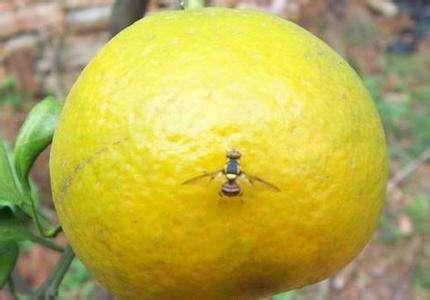
To control the oriental fruit fly in persimmon orchards, it is necessary to understand its occurrence and damage characteristics and the key points of prevention and control techniques
Occurrence and damage characteristics of the oriental fruit fly in persimmon orchards and key points of prevention and control techniques 1 Basic information on the oriental fruit fly The oriental fruit fly (Bactrocera dorsalis Hendel), also known as the citrus fruit fly, oriental fruit fly, fruit maggot, etc., belongs to the order Diptera...
-
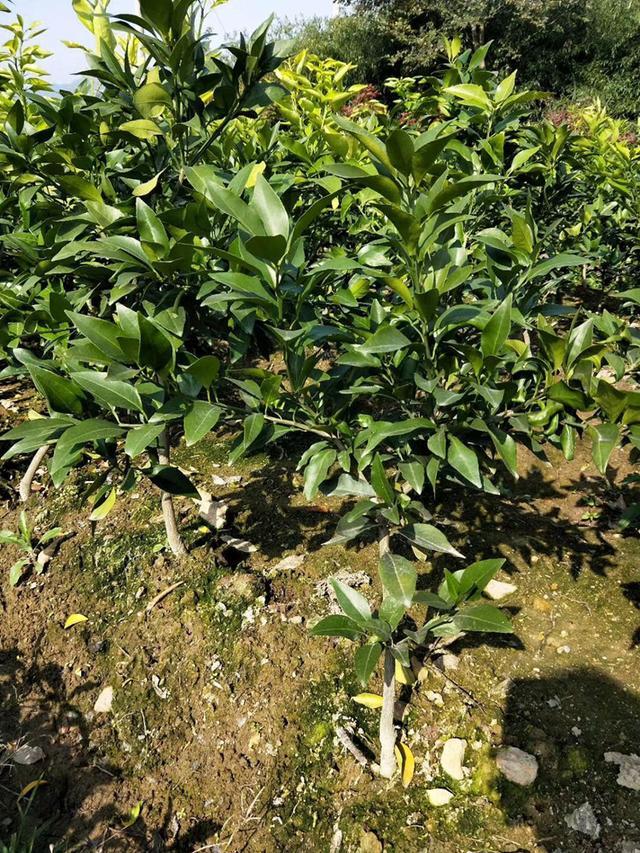
Key Cultivation Techniques and Pest and Disease Control Methods for Guangxi Wogan Mandarin
Key Cultivation Techniques for the New Wogan Mandarin Variety and Pest and Disease Control 1 Key Cultivation Techniques for the New Wogan Mandarin Variety 1.1 Selection of Saplings To grow Wogan in Quanzhou County, Guangxi, one should choose Wogan grafted saplings with a well-proportioned plant shape and a relatively intact root system. Saplings suffering from anthracnose, canker, and other diseases must absolutely not be selected for planting. In addition, for the Quanzhou area, red tangerine (Citrus reticulata 'Hongju') should be used as the grafting rootstock in alkaline soil as much as possible, while under paddy field soil conditions, large-leaf trifoliate orange (Poncirus trifoliata) is best used as the grafting rootstock, so as to ensure high-quality Wogan grafted saplings.
-
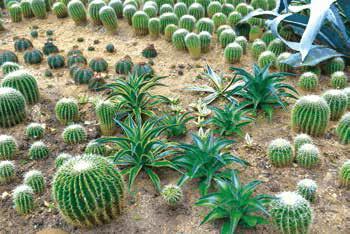
Propagation and Pest and Disease Control Cultivation Techniques for Agavaceae Plants in Nanning, Guangxi
Propagation and Pest and Disease Control Cultivation Techniques for Agavaceae Plants in Nanning, Guangxi. Growing environment: Agavaceae plants prefer a warm, dry environment with plenty of sunlight. They are slightly cold-tolerant, relatively shade-tolerant, and highly drought-tolerant, requiring well-drained, fertile sandy loam...
-
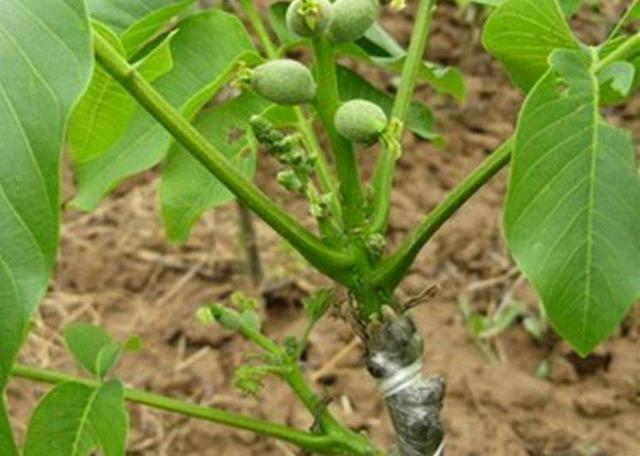
Key Points of Pest and Disease Control Techniques for High-Quality Early-Bearing Walnuts
Pest and Disease Control Strategies for High-Quality Early-Bearing Walnuts 1 Analysis of Diseases and Control Strategies for High-Quality Early-Bearing Walnuts 1.1 Analysis of Control Strategies for Black Spot Disease in Early-Bearing Walnuts Black spot disease in early-bearing walnuts is mainly caused by fungi. When these fungi invade the walnuts, they cause the walnuts to rot...
-
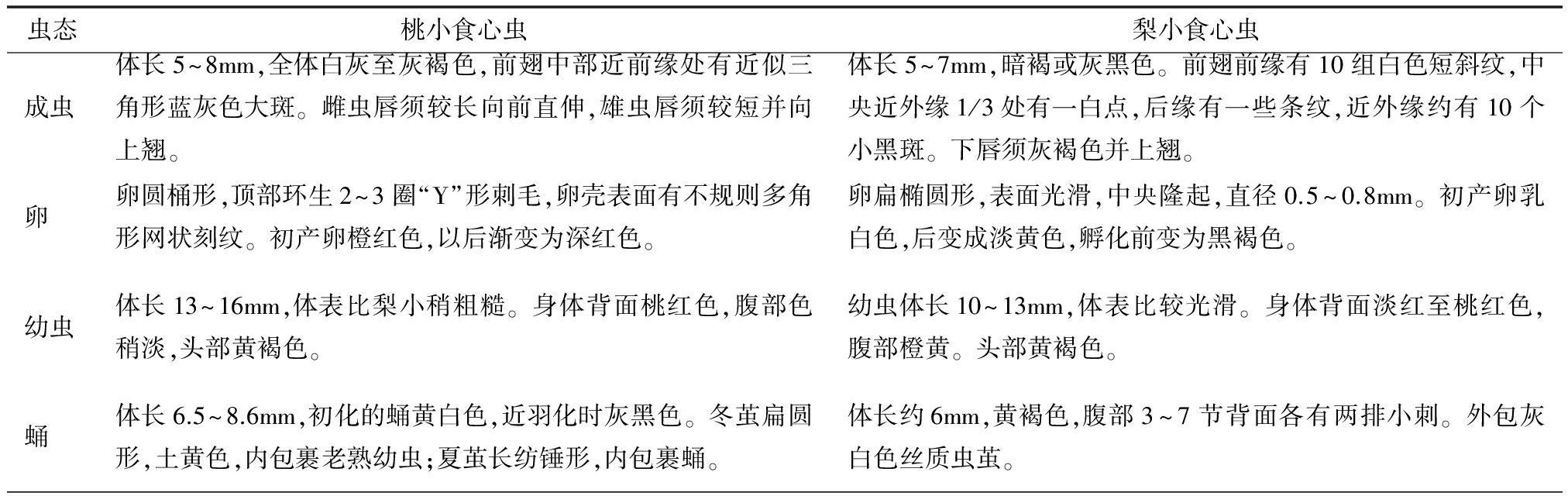
Key Factors in the Occurrence of Major Fruit Borers in Apple and Control Measures
Key Factors in the Occurrence of Major Fruit Borers in Apple and Control Measures. Apple is China's largest fruit crop, with its cultivation area and production ranking first in the world. In the 1990s, the state implemented pollution-free agricultural production. In order to control fruit diseases and pests, reduce pesticide residues, and improve the external quality of fruit, the apple industry vigorously promoted fruit bagging technology.
-
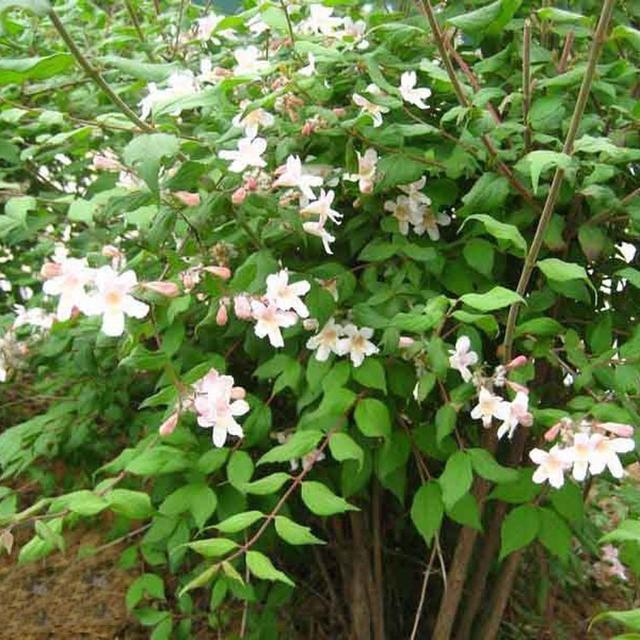
Cultivation Techniques for Beautybush: Propagation and Pest and Disease Control of a Rare Flowering Shrub
Propagation Methods and Pest and Disease Control Cultivation Techniques for the Rare Flowering Shrub Beautybush 1 Biological Characteristics 1.1 Morphological Characteristics Beautybush (Kolkwitzia amabilis), a shrub or small tree, can reach a height of up to 3 m; young branches are reddish-brown, and the bark of old branches peels off in thin flakes; leaves are simple, opposite, with short petioles...
-
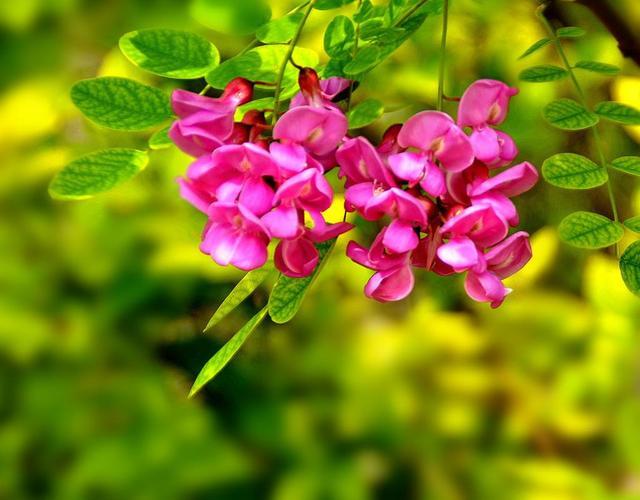
Cultivation Techniques for Sophora japonica var. violacea: Propagation Methods and Pest and Disease Control
Cultivation Techniques for Propagation and Pest and Disease Control of Sophora japonica var. violacea 1 Biological Characteristics Sophora japonica var. violacea belongs to the Papilionoideae, Fabaceae, a tree species with a height of 10-12 m, a straight and upright trunk, sparse branches and long internodes, and grayish-brown to brown bark. Leaves are alternate, 17-19 in number, pinnately compound...
-

Don't be afraid of pests, diseases and leggy growth - all the prevention and control methods are here
You"re Beautiful Back To Bedlam James Blunt ...
条件筛选