-
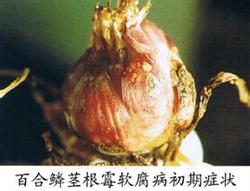
How to prevent and control Rhizopus soft rot of lily bulbs
I. Symptoms of damage: During storage or transportation of lily bulbs, water-soaked spots initially form on the outer skin, which later darken in color and have a slightly pungent odor. The bulbs become soft, and in severe cases, destructive rotting of the bulbs occurs. Sometimes a thick layer of mycelium grows on the bulbs, which is the sporangiophores and sporangia of the pathogen. II. Morphological characteristics of the pathogen...
-
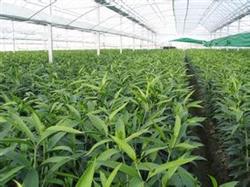
How to prevent and control lily bulb stalk rot? Sharing practical tips
(1) For soil preparation, choose loose, fertile loam soil with good drainage. During soil preparation, broadcast fully decomposed organic fertilizer at 5 cubic meters per mu, and deep plow 30-35 cm. Then make beds at a width of 110-120 cm with 50 cm walkways, and then broadcast 10-15 kg of calcium superphosphate, 4-6 kg of potassium sulfate and 0.8-1.0...
-
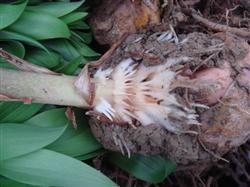
Symptom Identification and Control Methods for Rhizoctonia Disease in Lilies
Symptoms: If the infection is mild, it only affects the leaves in the soil and the green leaves at the lower part of young shoots, and sunken light brown spots appear on the leaves. Generally speaking, although the growth of the plant is somewhat affected, it can still continue to grow. In severely infected plants, aboveground growth is hindered, and the white underground leaves as well as the lowest aboveground leaves will rot or wilt and fall off, leaving only brown scars on the stems.
-
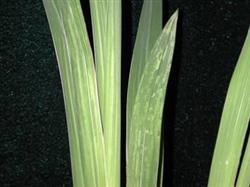
Control methods and technical key points for Lily symptomless virus
Lilies originate in China. They are distributed across the southeast and southwest, as well as Henan, Hebei, Shaanxi and Gansu, with wild and cultivated forms found in various places, mainly used as cut flowers and for garden planting as potted ornamentals. The bulbs are used for food and medicine, the fresh flowers contain aromatic oil used as a fragrance, and the fruits are eaten. A cold-hardy, autumn-planted scaly bulbous herbaceous flower. There are quite many cultivated varieties; besides white, the flowers also come in yellow, red, pale red, variegated and other colors.
-
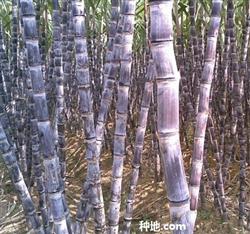
Control Methods for Mosaic Virus Disease in Black-Skinned Chewing Cane
How should black-skinned sugarcane be given micronutrient fertilizers? Please advise. A major reason for the low yield and poor quality of continuous cropping of chewing cane is the lack of medium and trace elements such as magnesium, silicon, calcium, zinc, boron, iron, molybdenum and manganese in the soil, resulting in an insufficient supply of medium and trace elements, which causes poor growth of chewing cane, not only stunted plants and shortened internodes...
-
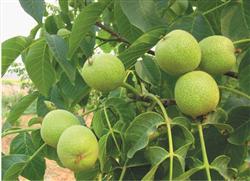
How to prevent and control pests and diseases in walnut cultivation
How to prevent and control pests and diseases when growing walnuts? Please give guidance. Here are two walnut pest and disease control methods for reference: Control method for the walnut shoot borer: The walnut shoot borer, commonly known as "walnut black," has adults that appear from June to July, and larvae that cause the most serious damage in July. This pest has weak resistance to pesticides, so you can choose pollution-free pesticides such as 10% cyhalothrin EC at 1500-2000 times dilution, or 15% imidacloprid at 3000 times dilution, and begin control at the end of June. Spraying once more after 7-10 days gives better results.
-
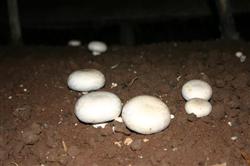
Eight Key Points for the Prevention and Control of Diseases and Pests in Button Mushrooms
With the rapid development of mushroom production, finding ways to improve economic returns and reduce costs is the direction that growers and related technical personnel are striving toward. North China has large amounts of corn straw, and using it instead of rice straw to cultivate mushrooms can greatly reduce costs. The relevant techniques are introduced as follows: 1. Mushroom compost formula...
-
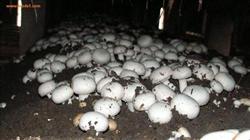
How to prevent and control button mushroom diseases? These measures must be mastered
Disease prevention and control principles: prevention first, with equal emphasis on prevention and control. 1. Rot disease: a fungal disease, mainly characterized by white mycelium as fine as spider silk appearing on the casing soil layer of the mushroom bed, growing irregularly and arranged in a spider-web pattern; infected mushroom bodies basically stop growing and gradually turn brown, soften and rot. Prevention and control measures: treat the casing soil material to prevent disease before it appears. For chemical treatment of the mushroom shed, generally use Baibingsha to spray the mushroom shed in a carpet-like manner to thoroughly kill pathogenic bacteria; after sealing for 2 days, it can be put into use. Keep the shed temperature above 12°C and shed humidity below 90%. If disease is found, immediately take measures to dig out and clean up.
-
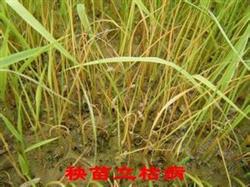
How to prevent and control bacterial wilt and damping-off in rice seedlings at 10 days of raising seedlings?
For bacterial wilt and damping-off, prevention is more important than cure. Only when the rice seedlings are robust are they less likely to become infected, so field management should be strengthened. Pay attention to controlling the seedbed temperature; it should not be too high or too low. In particular, pay attention to the effect of the low temperatures of a late spring cold snap on the rice seedlings, and harden and root-restrict the seedlings at the appropriate time; the humidity during seedling raising should not be too high, as high humidity easily causes various diseases and...
-
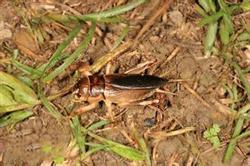
Occurrence, Damage Characteristics and Control Methods of the Peanut Field Cricket
What are the characteristics of the damage caused by the field cricket on peanuts? How to control it? (1) Morphological characteristics: The field cricket is commonly known as the large mole cricket, big-headed cricket, etc. ① Adult: body length about 41 mm, width 13 mm, body yellow, brown, or dark brown. Between the compound eyes there is a "Y"-shaped shallow groove. The pronotum is well developed, with a distinct longitudinal groove, and on both sides there are peach-colored patches of a lighter shade...
条件筛选