Occurrence, Damage Characteristics and Control Methods of the Peanut Field Cricket
What are the characteristics of the damage caused by the field cricket on peanuts? How to control it? (1) Morphological characteristics: The field cricket is commonly known as the large mole cricket, big-headed cricket, etc. ① Adult: body length about 41 mm, width 13 mm, body yellow, brown, or dark brown. Between the compound eyes there is a "Y"-shaped shallow groove. The pronotum is well developed, with a distinct longitudinal groove, and on both sides there are peach-colored patches of a lighter shade...
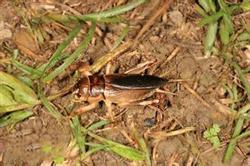
What are the characteristics of the damage caused by the field cricket on peanuts? How to control it?
(1) Morphological characteristics: The field cricket is commonly known as the large mole cricket, big-headed cricket, etc. ① Adult: body length about 41 mm, width 13 mm, body yellow, brown, or dark brown. Between the compound eyes there is a "Y"-shaped shallow groove. The pronotum is well developed, with a distinct longitudinal groove, and on both sides there are peach-colored patches of a lighter shade. In the female, the veins of the forewings are mostly longitudinal and form a reticulate cross pattern, with no cross veins, and it does not produce sound; at the end of the abdomen there is an ovipositor. In the male, the cubital veins of the forewings form a rough file-like structure, and it can produce sound when the two wings rub and vibrate. ② Egg: bluntly rounded at both ends, long kidney-shaped, about 4 mm long and about 1.4 mm wide. The eggshell is smooth and slightly transparent; when newly laid it is bluish-gray, later turning earth-yellow, and becoming pale yellow before hatching. ③ Nymph: molts 10 times, with 11 instars in total. Before the 7th instar, nymphs have no wing pads. The mature nymph is dark brown, with a waxy yellow ventral surface, and a body length of about 35 mm.
(2) Occurrence pattern: The field cricket generally has 1 generation per year. It overwinters as nymphs in soil burrows. From March to May of the following year, it emerges from the soil and is active, damaging peanut seedlings. In early June it pupates into adults; in July to August the adults mate during the day; mid-September is the peak egg-laying period; after September the adults gradually die. In mid-to-late November, the nymphs begin to overwinter.
(3) Control measures: ① Poison bait trapping. Use 1 part of 50% phoxim wettable powder, mix thoroughly with 5 parts of roasted rice bran, then add an appropriate amount of water to make a poison bait, form it into granules the size of soybean seeds, and scatter it near the burrows in the evening; the insects come out of their burrows at night and are poisoned after feeding. ② Winter plowing to eliminate pests. After the peanut harvest in autumn, carry out 1 to 2 plowings and harrowings to turn the overwintering larvae onto the ground to freeze to death or be eaten by birds.