How to prevent and control button mushroom diseases? These measures must be mastered
Disease prevention and control principles: prevention first, with equal emphasis on prevention and control. 1. Rot disease: a fungal disease, mainly characterized by white mycelium as fine as spider silk appearing on the casing soil layer of the mushroom bed, growing irregularly and arranged in a spider-web pattern; infected mushroom bodies basically stop growing and gradually turn brown, soften and rot. Prevention and control measures: treat the casing soil material to prevent disease before it appears. For chemical treatment of the mushroom shed, generally use Baibingsha to spray the mushroom shed in a carpet-like manner to thoroughly kill pathogenic bacteria; after sealing for 2 days, it can be put into use. Keep the shed temperature above 12°C and shed humidity below 90%. If disease is found, immediately take measures to dig out and clean up.
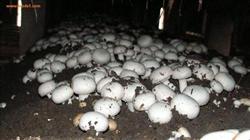
Disease prevention and control principles: prevention first, with equal emphasis on prevention and control.
1. Rot disease: a fungal disease, mainly characterized by white mycelium as fine as spider silk appearing on the casing soil layer of the mushroom bed, growing irregularly and arranged in a spider-web pattern; infected mushroom bodies basically stop growing and gradually turn brown, soften and rot. Prevention and control measures: treat the casing soil material to prevent disease before it appears. For chemical treatment of the mushroom shed, generally use Baibingsha to spray the mushroom shed in a carpet-like manner to thoroughly kill pathogenic bacteria; after sealing for 2 days, it can be put into use. Keep the shed temperature above 12°C and shed humidity below 90%. If disease is found, immediately take measures to dig out and clean up.
2. Brown spot disease: the main symptom is brown or earthy brown spots of varying sizes appearing on the cap surface of infected mushroom bodies. As time passes and the disease worsens, the spots gradually expand, and white to grayish white depressions form at the spots. The biggest feature of this disease is that diseased mushrooms are not sticky, not rotten, and not smelly, and finally shrink and die. Prevention and control measures: refer to the prevention and control measures for mushroom rot disease.
3. Red root mushroom: the main cause is bacterial infection, and a mushroom disease-killing solution can be sprayed; however, sometimes this phenomenon can also occur because the pH value drops severely after the base material has been decomposed and utilized for a long time, or when too much water is applied all at once during high temperatures. Treatment measures: spray the clear liquid of 2% lime water onto the bed surface to raise the pH value of the base material to about 8, and avoid applying a large amount of water all at once.
4. Rust spot mushroom: rust-colored spots on the mushroom bodies seriously affect their commercial quality. The main cause is bacterial infection caused by improper management, such as excessive shed humidity and small water droplets accumulating on the mushroom bodies, while ventilation in the shed cannot evaporate them in time. If this lasts a little longer, it is very likely to trigger this type of disease. Treatment measures: strengthen ventilation. When fine water droplets appear on the mushroom bodies due to spatial spraying, forced ventilation should be used even more to evaporate the droplets within 1-2 hours, and spray a mushroom disease-killing solution.
5. Mycelium not colonizing the substrate: the causes are strain degeneration and aging, poor adaptability, and weak vitality; or the strain being exposed to high temperatures above 36°C or direct sunlight during transportation; or excessive ammonia in the base material, inhibiting strain germination. Treatment measures: replace the strain; if the cause is excessive ammonia, loosen the material, spray 2% lime water, or directly spray clean water, to carry the ammonia into the bed base soil, while strengthening ventilation so that the ammonia in the space is discharged with the wind, and re-inoculate after it returns to normal.
6. Mycelium shrinkage: the causes are uneven fermentation of the base material and heat production inside the material; or the material being spread too thick, or the moisture content of the base material or casing soil material being too high. Treatment measures: turn the material on the bed base and pick out large lumps of incompletely fermented raw manure; strengthen ventilation and stop watering.