-
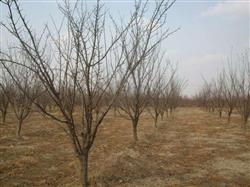
Pest Control Methods and Technical Key Points for Apricot Cultivation
Apricot seed wasp: Larvae overwinter inside fallen apricot pits or inside pits on branches. Female adults lay eggs between the pit shell and the kernel. The egg-laying hole on the fruit surface is not obvious, slightly grayish-green, and sunken; sometimes apricot gum flows from the egg-laying hole. The egg stage lasts about 10 days. The hatched larvae feed on the kernel inside the pit, causing a large number of fruit drops. Around early June...
-
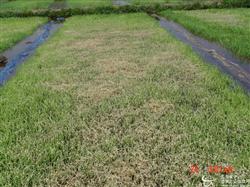
Diagnosis and Control Methods of Rice Seedling Rot: A Detailed Guide
Rice seedling rot is a general term for seed rot, bud rot and seedling death in rice caused by pathogen infection or non-pathogenic factors. It can be divided into two categories: infectious and non-infectious (physiological). Non-infectious seedling rot is mainly caused by adverse environmental conditions; infectious seedling rot refers to that caused by adverse environmental conditions inducing infection by Pythium, Achlya, Fusarium and other pathogens...
-
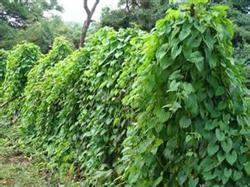
Yam Pest and Disease Control Methods and Key Technical Points
I. Anthracnose. Yams are prone to anthracnose during hot, rainy seasons, and after onset it causes stem blight and leaf drop. In the early stage, black spots appear on the leaves; in the later stage, the leaf color turns black, and the lesions become water-soaked; in severe cases it affects plant growth and causes reduced yield. Control: In the early stage of the disease, spray once every 7 days with 50% Tuzet 600x solution, or 7...
-

What are the causes of stiff seedlings in rapeseed and the control methods?
Causes of stiff seedlings in rapeseed and control methods
-
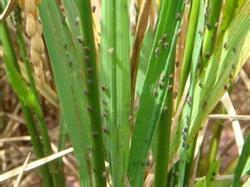
Detailed Explanation of Rice Pest and Disease Identification and Control Methods (Part 2)
The brown planthopper, also known as the brown rice planthopper, is commonly called roundworm, soft-shell roundworm, spindle worm, or midge. Scientific name Nilaparvata lugens (Stal), order Homoptera, family Delphacidae. The brown planthopper is one of the main pests on rice in China, causing damage in all major rice-growing regions across the north and south of the country. Every year it occurs and causes damage mixed with the white-backed planthopper, and the two planthoppers do not...
-
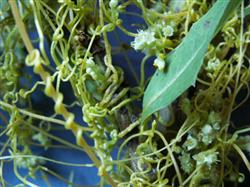
Control Methods for Three Major Soybean Diseases
What does soybean dodder look like? What should you do if soybean dodder appears? Dodder, also called yellow silk vine or tangled silk vine, is a malignant weed. It harms many crops, can cause total loss of soybean yield, and occurs commonly in various regions. (1) Morphology: The stem of soybean dodder is yellow, orange-yellow, or yellow-green, smooth and hairless,...
-
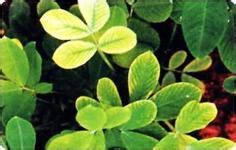
Symptom Identification and Control Methods for Peanut Web Blotch
I. Causes of Iron Deficiency in Peanuts Peanut is one of the crops that is relatively sensitive to iron. Although iron is not a component of chlorophyll, it is an indispensable condition for chlorophyll synthesis, a component of cytochrome oxidase and peroxidase related to respiration, and participates in the oxidation-reduction processes within the plant. It is...
-
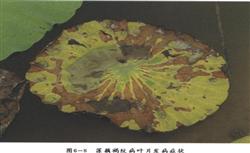
Detailed Guide to Identifying and Controlling Lotus Root Brown Streak Disease Symptoms and Control Methods
Lotus root brown streak disease is widely distributed and occurs in all regions, but it only harms lotus root. 1. Pathogen: This disease is caused by infection with fungi of the genus Alternaria in the Deuteromycotina. The pathogen overwinters in lotus fields as mycelium and chlamydospores with diseased plant residues, and produces conidia under high temperature and high humidity, spreading by wind and rain. 2. Symptoms...
-
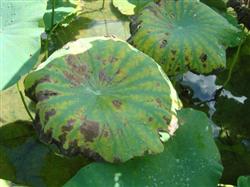
Occurrence Patterns and Control Methods of Lotus Root Brown Spot Disease
Brown spot disease is a major disease of lotus root, widely distributed, and can occur in spring, summer, and autumn. Generally, diseased plants account for 30%-50%, and in severe cases, the incidence rate can reach over 80%, significantly affecting lotus root yield and quality. 1. Symptoms This disease mainly affects the leaves and leaf stalks of lotus root. In the early stage of leaf infection, small brownish-green...
-
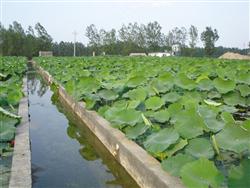
Six Common Lotus Root Diseases and Their Control Methods
I. Main Disease Types June and July are the peak growing period for lotus roots and also the peak period for various diseases, so doing a good job of disease control is key. As an instructor in the agricultural science and technology system, I propose lotus root disease control techniques to guide demonstrators and lotus root farmers in production. 1. Lotus root rot, also known as black root disease, lotus root...
条件筛选