-
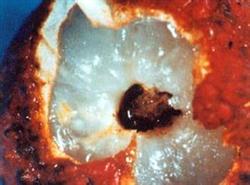
How to control litchi fruit-boring pests? These methods are very effective
Litchi fruit-boring pests include the litchi tortricid (Cryptophlebia ombrodelta), the litchi small grey moth, the Yaowen moth and the litchi stem-end borer, among others. Damage begins each year when litchi trees start to flower, and is most severe from late April to early June. The larvae first bite through the skin of the young fruit, then bore into the fruit and feed on the stone, causing heavy fruit drop, reducing yield and lowering fruit quality, with...
-
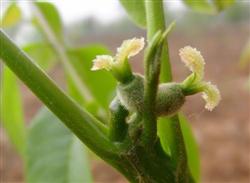
What are the control methods for the hickory flower bud midge?
The hickory flower bud midge is the main pest harming hickory flower buds. Because the insect is tiny and concealed, its occurrence period is short, and the damage consequences are severe, once the effective control period is missed it will seriously affect hickory yield. To effectively safeguard this year's hickory yield, scientific and technical personnel put forward the following on how to carry out effective control: First, grasp...
-
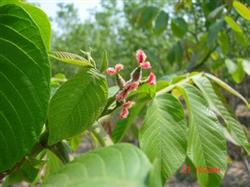
Control Methods and Technical Key Points for Hickory Flower Bud Midge
The hickory flower bud midge is the main pest damaging hickory flower buds. Because the insect body is tiny and concealed, its occurrence period is short, and the damage consequences are severe, once the effective control period is missed, hickory yield will be seriously affected. To effectively safeguard this year's hickory yield, scientific and technical personnel have proposed the following on how to carry out effective control: First, seize...
-
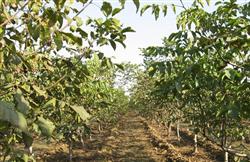
Control Methods for Sclerotial Root Rot in Walnut Seedlings
Sclerotial root rot, also called southern blight, mostly affects one-year-old seedlings, causing the cortex of the main root and lateral roots to rot, the aboveground parts to wither and die, and sometimes the entire plant to die. 1. Disease symptoms: Under high temperature and high humidity, white silky mycelium is produced at the base of the seedling root collar and on the surrounding soil and fallen leaves, after which small sclerotia grow...
-
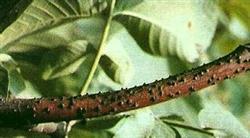
Integrated Control Methods and Technical Key Points for Walnut Branch Blight
Walnut branch blight is caused by fungal infection and mainly damages branches and trunks. It occurs in all regions, with a general diseased plant rate of 20-30%, and in severe cases the diseased plant rate reaches over 80%, causing massive branch dieback and directly affecting tree growth as well as walnut yield and quality. Therefore, timely control is necessary to curb the disease and promote tree...
-
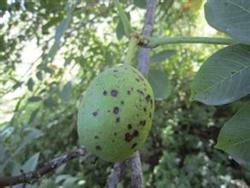
Detailed Explanation of Control Methods for Walnut Bacterial Black Spot
Walnut bacterial black spot mainly damages walnut fruit, with a diseased fruit rate of 10%-40%, causing the fruit to turn black, rot, and drop early, and the walnut kernels to shrivel. In addition, it also damages leaves and tender shoots, with damage rates reaching 20%-40% in some plots. [Symptoms] On affected green young fruit, small brown oil-soaked spots initially appear on the rind...
-
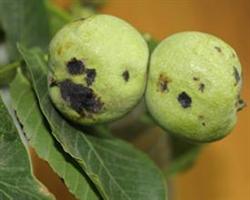
How to prevent and control walnut bacterial blight? These methods are very practical
The pathogen of walnut bacterial blight generally overwinters in twigs or buds, and in the following spring exudes bacterial fluid that spreads via wind and rain, mainly damaging young fruit, leaves and tender twigs. Management methods: 1. Overwintering management. After leaf fall, apply Husu Jiangjun to the trunk and branches to hinder the pathogen from multiplying on the tree body, providing insulation, disinfection and frost protection. At the same time, spray Husu...
-
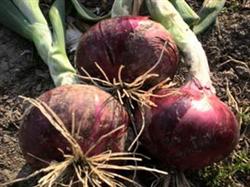
Early control methods for four onion diseases
The main onion diseases are downy mildew, gray mold, rust and soft rot, and they should be controlled early. Downy mildew and gray mold Downy mildew mainly damages the outer leaves and flower stalks of onions. The suitable temperature for the disease is 10-20°C, and it can occur from April to May or from November to December. At the beginning of the disease, affected plants show oblong or band-shaped sunken lesions on the outer leaves...
-
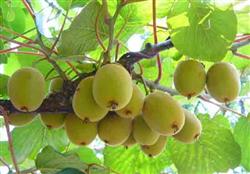
Winter Pest and Disease Control Methods for Kiwifruit Orchards
As the cultivated area and fruiting area of kiwifruit continue to expand, the occurrence and damage of pests and diseases are becoming increasingly serious. Winter pest and disease control in kiwifruit orchards can achieve twice the result with half the effort in promoting tree vigor transformation, pest and disease control in spring and summer, and the healthy growth of kiwifruit trees. According to surveys conducted by our station in recent years, the main diseases found so far...
-
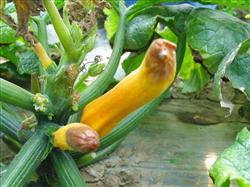
What are the control methods for zucchini cottony leak?
Disease characteristics: Zucchini cottony leak mainly damages the fruit, and sometimes damages leaves, stems and other parts. When leaves are affected, dark green, round or irregular water-soaked lesions first appear, and under high humidity they look as if scalded by boiling water. When fruit is affected, oval, water-soaked dark green lesions first appear. Under dry air conditions, the lesions turn...
条件筛选