-
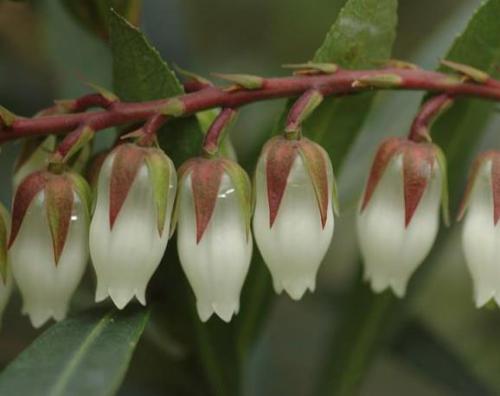
Can Japanese pieris be grown hydroponically, and how long can it survive? Growing methods and precautions
1. Soil: Japanese pieris likes acidic sandy soil rich in humus. This kind of soil is loose and well-drained, suitable for the growth of Japanese pieris. You can also choose soil made by mixing garden soil and sand. 2. Fertilizing: Japanese pieris needs enough fertilizer during growth
-
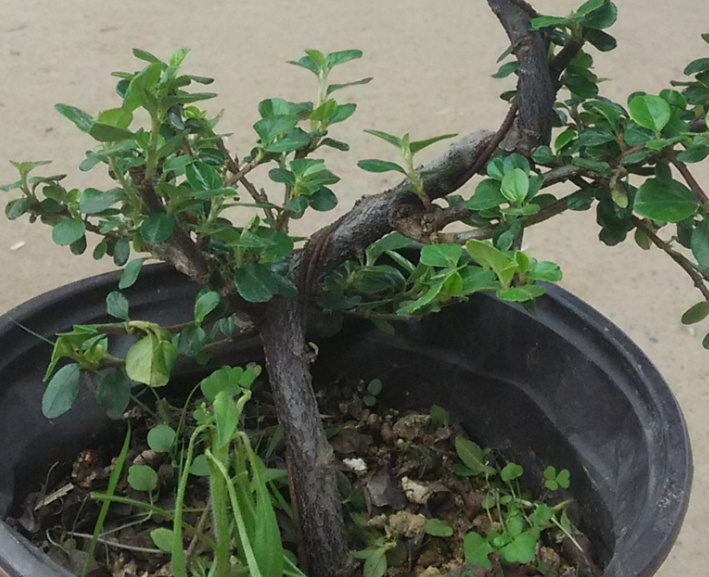
Pearl Spiraea Bonsai Care Methods and Precautions
Potting soil: The potting soil should be a fertile loam with good permeability and strong drainage capacity. Apply an organic fertilizer once in late autumn and early winter, and apply a phosphorus-potassium fertilizer once before flowering. Water moderately on a regular basis to keep the potting soil moist; it must not stay overly wet for long periods, and waterlogging must be avoided even more. Potted plants should be placed in a spot with direct sunlight as much as possible.
-
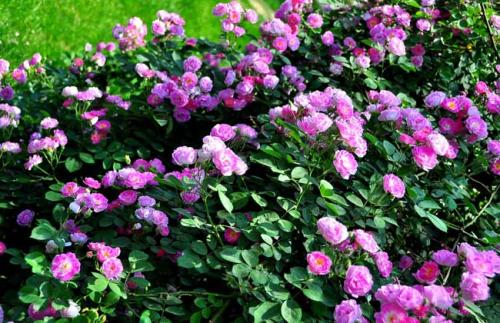
How to grow Rosa multiflora? Detailed care measures and precautions
1. Sunlight: Rosa multiflora likes light and needs plenty of it, so make sure it gets enough sunlight. 2. Water: Rosa multiflora is slightly shade-tolerant but afraid of waterlogging, so when watering, pay attention to controlling the amount; do not water too much, and do not water too little. Just keep the soil moist, and never let water accumulate.
-
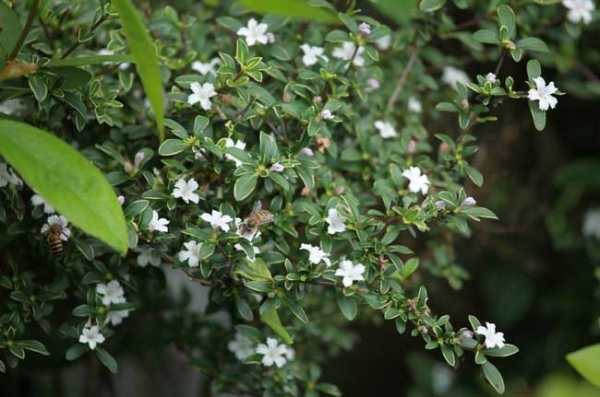
What are the precautions for growing Serissa japonica?
High temperature: During the hot summer months, water frequently and spray the leaves with clean water, and provide appropriate shade; do not place it in direct sunlight. Pruning: Because the branches of Serissa japonica are soft and very easy to train and bend, be sure to promptly remove the suckers sprouting from the roots, so as to maintain a graceful tree shape and enhance its ornamental value.
-
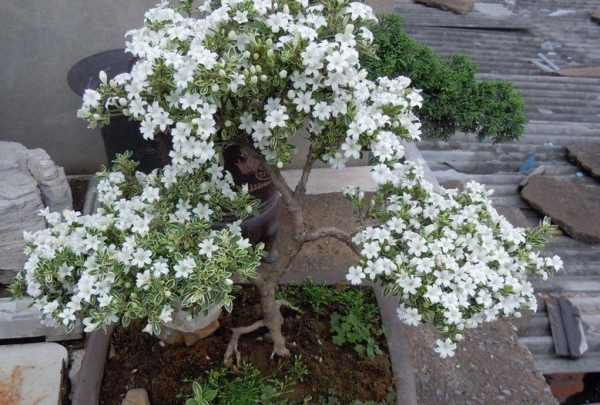
Care Methods and Precautions for Serissa
After the cuttings are finished, the subsequent care is also very important. In the early stage, the cuttings are very afraid of being exposed to the sun, so we must promptly set up a shade shelter for them, and also pay attention to watering to keep the substrate moist at all times, so that the cuttings can take root more easily. After the cuttings have taken root
-
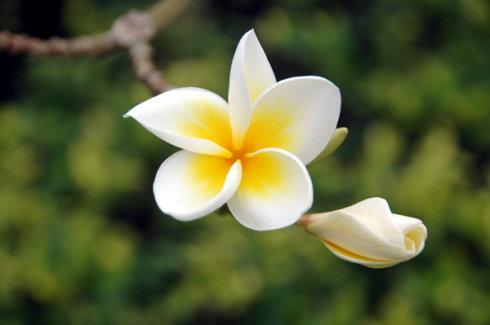
How to grow Frangipani (Plumeria)? Detailed care measures and precautions
I. Temperature: Frangipani loves high temperatures; the more sunlight, the better it grows. So when the temperature drops below 10 degrees, it should be moved indoors for cultivation, so that the Frangipani will not wither. II. Watering: Frangipani likes a moist environment but is not tolerant of waterlogging, so watering must be controlled properly.
-
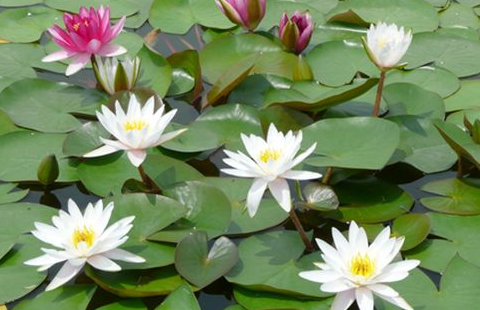
What are the precautions for growing water lilies in water?
1. Water lilies need plenty of light; plants grown in sunlight are healthier and their flowers will be more vivid. 2. Water lilies have different water level requirements at different growth stages. In the early growth stage, the leaf stalks are relatively short, so the water level should be as shallow as possible, and it is best not to let the leaves be exposed to the air; as they grow more and more vigorously
-
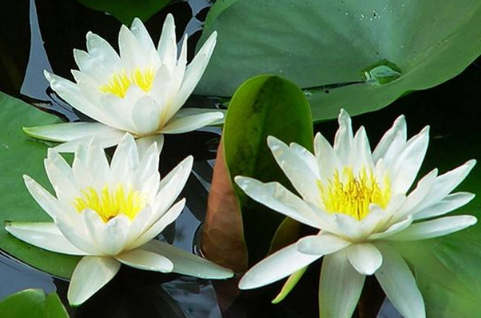
What are the precautions for growing bowl lotus? These key points you need to master
1. Light. During the care of bowl lotus, it cannot be kept indoors for a long time, otherwise it will grow slowly, so it should be placed outdoors to receive light often, and the plant will grow more vigorously. 2. Fertilizing. Bowl lotus likes fertilizer, and plants lacking fertilizer will lack vitality. Before planting, a small amount of decomposed cake fertilizer and other base fertilizer should be added. Although bowl lotus likes fertilizer
-
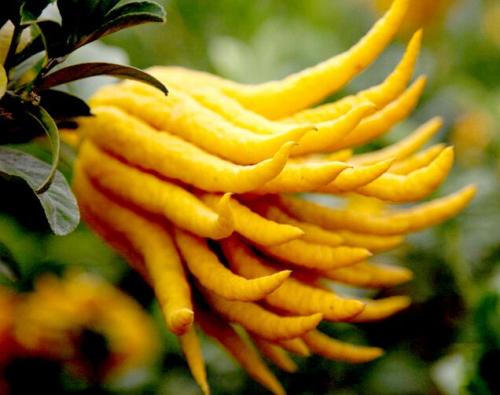
Detailed Guide to Bergamot Cultivation Methods and Precautions
1. Light and temperature: Bergamot likes a warm, humid and sunny environment, so sufficient light must be ensured. In addition, the most suitable growing temperature for bergamot is 22°C-24°C, so attention should be paid to temperature control. 2. Watering: Bergamot tolerates waterlogging but not drought, so it should be watered frequently.
-
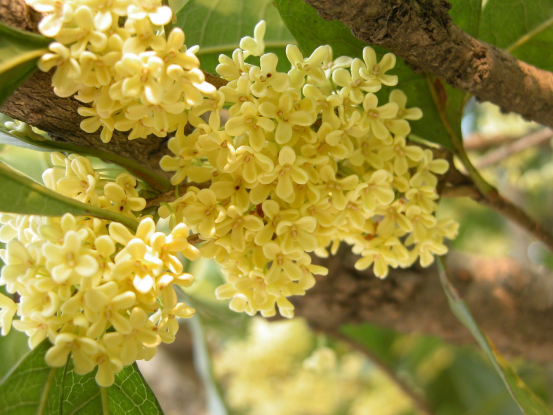
What are the precautions for growing osmanthus trees?
1. Pay attention to the frequency and amount of watering; overwatering can cause water to accumulate around the roots and, in severe cases, may kill the plant. 2. Osmanthus is a typical long-day plant; if it does not receive enough light during the growing season, the plant tends to grow leggy and its flowering period is affected. 3. Potted osmanthus needs to be repotted once every 1-2 years.
条件筛选