What are the cultivation methods and precautions for Gloriosa superba?
1. Soil
Gloriosa superba needs to be grown in sandy loam rich in humus, loose and fertile, with good drainage.
2. Water
Gloriosa superba likes a humid environment and needs plenty of water during its growing period, but the soil should not be too wet, as this can cause root rot; in winter it enters dormancy, so watering should be reduced.
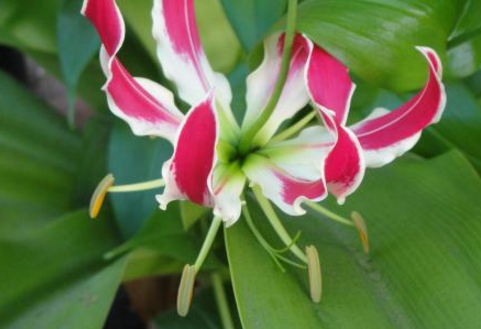
3. Temperature
Gloriosa superba is extremely cold-sensitive; its suitable growing temperature is 22-24°C. Temperatures below 22°C will lead to poor flowering, and below 15°C will cause frost damage to the plant; temperatures above 32°C will stop the plant's growth.
4. Light
Gloriosa superba fears strong light; in summer, avoid direct strong sunlight during high temperatures, and shade it appropriately.
5. Fertilizing
When growing Gloriosa superba, some manure or cake fertilizer can be applied as a base fertilizer; for potted plants, decomposed cake fertilizer mixed with calcium, magnesium and phosphorus fertilizers can be used as the base fertilizer. During the growing period, apply a nitrogen, phosphorus and potassium compound fertilizer once a month.
Cultivation methods for Gloriosa superba
Soil for Gloriosa superba
Gloriosa superba requires growing in sandy loam rich in humus, loose and fertile, with good drainage and strong water retention.
Watering Gloriosa superba
Gloriosa superba likes a warm and humid environment. During its growing period, keep the water supply adequate, and reduce watering when it enters winter dormancy. The soil should not be too wet, as this easily causes root rot; if root rot occurs, dig up the tubers during dormancy and store them in sand or wood shavings.
Temperature for Gloriosa superba
Gloriosa superba has extremely poor cold tolerance; its optimal growing temperature is 22-24°C, but when the temperature is below 22°C, it causes poor flowering and failure to set fruit. When the temperature is below 15°C, it causes frost damage. When the temperature is above 32°C, growth stalls. In winter, the indoor temperature should preferably not be lower than 18°C.
Light for Gloriosa superba
Gloriosa superba likes weak light and cannot be exposed to direct sunlight. In summer high-temperature weather, shade it to avoid scorching. In a well-lit indoor environment, it can be enjoyed for long periods.
Fertilizing Gloriosa superba
During the cultivation of Gloriosa superba, some manure or cake fertilizer can be applied as a base fertilizer; for potted Gloriosa superba, decomposed cake fertilizer mixed with calcium, magnesium and phosphorus fertilizers should be used as the base fertilizer. During the growing period, apply a nitrogen, phosphorus and potassium compound fertilizer once a month. In spring, nitrogen fertilizer is suitable; in summer, increase potassium fertilizer. This promotes tuber enlargement and good flowering.
Pest and disease prevention for Gloriosa superba
In hot and rainy seasons, Gloriosa superba is prone to leaf spot and damping-off; zineb can be sprayed for control. In the rainy season, wood ash can be applied or garlic infusion sprayed for prevention, and once a week, on a day without rain, apply a solution of thiophanate-methyl and chlorothalonil. When nematodes are severe, water with undiluted trichlorfon.
Cultivation methods for Gloriosa superba and precautions for growing it
Gloriosa superba is a type of plant in the Liliaceae family. It is very common in China, with beautiful flowers. In the south it can be grown outdoors, while in the north it is mostly made into potted plants and placed indoors. Its flowers can be made into cut flowers or corsages, and it can also beautify the environment and purify the air. But how should Gloriosa superba be grown? And what should be noted during its cultivation? Next, the editor will specifically address these questions for everyone.
Cultivation methods and precautions for Gloriosa superba1. Soil requirements of Gloriosa superba
This plant, Gloriosa superba, likes to grow in soil with good drainage and good permeability, and when preparing the potting soil, sufficient humus needs to be added. This plant, Gloriosa superba, grows fastest when the soil moisture reaches 80 percent, and the air humidity should not be lower than 60 percent.
2. Light and temperature for the growth of Gloriosa superba
This plant, Gloriosa superba, avoids strong light and drought during growth, and its cold tolerance is also relatively poor. When the outside temperature is below 22 degrees, Gloriosa superba shows adverse symptoms such as poor flower development and failure to set seed. When the outside temperature is below 15 degrees, the above-ground plant suffers frost damage. It grows fastest when the outside temperature is between 22 and 24 degrees.
3. Fertilizer management for Gloriosa superba
When planting this plant, Gloriosa superba, sufficient base fertilizer needs to be applied, preferably a compound fertilizer complete in calcium, magnesium and phosphorus. During the growing period, topdressing is needed once a month; in spring, topdressing is mainly nitrogen fertilizer, while in summer, phosphorus and potassium fertilizers should be increased. Only with sufficient fertilizer can the tubers of Gloriosa superba grow normally and can Gloriosa superba produce beautiful flowers.