-

-
What are the control methods for Eucalyptus grandis leaf blight?
How to control Eucalyptus grandis leaf blight
-
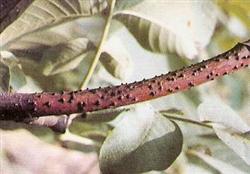
What is walnut branch blight? A complete guide to understanding it
What is walnut branch blight? How should it be prevented and controlled? Please advise. Walnut branch blight is caused by fungal infection and mainly damages branches and trunks. It occurs in all regions, with a general disease incidence rate of 20-30%, and in severe cases the incidence rate reaches more than 80%, causing a large number of branches to die, directly affecting tree growth and walnut yield...
-
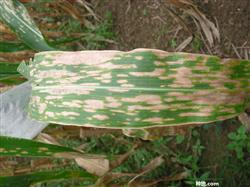
How to treat southern corn leaf blight? Mastering the control methods is key
How to treat southern corn leaf blight? For guidance on southern corn leaf blight, you can refer to the following control methods: 1. Symptom presentation. Southern corn leaf blight can occur throughout the entire growth period of corn, mainly damaging leaves and leaf sheaths, and the husks and ears can also be affected. It usually starts on the lower leaves of the plant and spreads and expands upward. Leaf lesions...
-
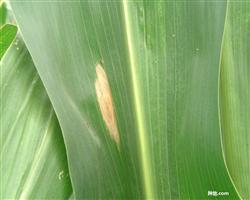
How can corn northern leaf blight be controlled effectively?
How is corn northern leaf blight treated? Please explain. Corn northern leaf blight has long been a major epidemic leaf disease threatening the safety of corn production in Shangluo. This disease often causes the most severe damage in summer-sown corn. Occurrence characteristics: First, there are significant differences in disease resistance among corn varieties. Surveys have shown that varieties such as Zhengda 12, Yuyu 22, Nongda 3138, and Anyu...
-
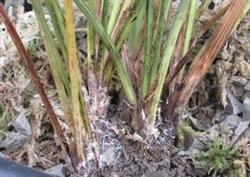
How to prevent and control orchid sclerotium disease (southern blight)
[Symptoms] The disease starts near the soil line of the orchid plant, initially appearing as water-soaked wet rot, then turning brown to dark brown rot, spreading to the middle and upper parts of the leaves, which also turn brown or grayish-brown and necrotic; in severe cases, the entire plant's leaves wither and die. Once one orchid clump is infected, all the tiller plants in the same pot are affected. When examining the necrotic surface of diseased plants and the soil surface, white...
-
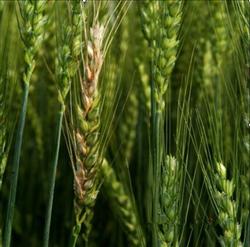
What is the relationship between wheat Fusarium head blight and humidity?
What effect does humidity have on wheat Fusarium head blight? Please give an introduction. The effect of humidity on the occurrence of wheat Fusarium head blight is greater than the effect of temperature. Long periods of continuous high humidity are the primary condition for disease onset. Perithecia can only be produced when the soil surface is wet. According to observations, when the relative humidity at the soil surface reaches above 80%, perithecia...
-
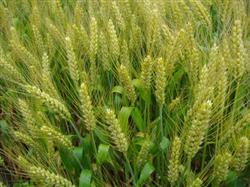
When is the best time to control wheat fusarium head blight
When is the best time to control wheat fusarium head blight? Please advise. The fusarium head blight pathogen levels are generally high, mostly exceeding the epidemic threshold. Once an epidemic occurs, it not only seriously affects wheat yield but also causes the wheat to lose its usable value. According to observations, under drought conditions, most wheat varieties are susceptible to fusarium head blight. In particular...
-
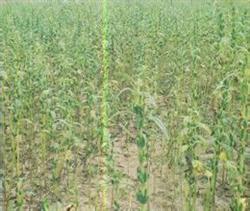
What methods are used to control sesame leaf blight?
What can prevent sesame leaf blight? Please learn about the distribution and damage of sesame leaf blight: It occurs in all sesame-producing areas nationwide. This disease is caused by the fungus Corynespora cassiicola. In addition to harming sesame, it also harms crops such as soybean and straight bean. Symptoms/morphological characteristics: After seedlings are damaged, the leaves and stems die;...
-
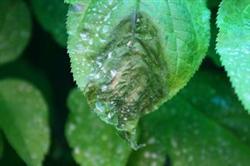
Detailed Explanation of the Occurrence and Control Methods of Ginseng Phytophthora Blight
This year the rainfall has been heavy, and the high temperature and high humidity are very suitable for the reproduction of the ginseng Phytophthora blight pathogen. The suitable temperature for the onset of ginseng Phytophthora blight is induced under soil temperatures of 10-30°C; soil temperatures of 20-26°C are most suitable for the disease to occur, while below 5°C and above 30°C the disease stops occurring. The main pathogen causing ginseng Phytophthora blight is the fungus of the genus Phytophthora in the subdivision Mastigomycotina...
条件筛选