Detailed Explanation of the Occurrence and Control Methods of Ginseng Phytophthora Blight
This year the rainfall has been heavy, and the high temperature and high humidity are very suitable for the reproduction of the ginseng Phytophthora blight pathogen. The suitable temperature for the onset of ginseng Phytophthora blight is induced under soil temperatures of 10-30°C; soil temperatures of 20-26°C are most suitable for the disease to occur, while below 5°C and above 30°C the disease stops occurring. The main pathogen causing ginseng Phytophthora blight is the fungus of the genus Phytophthora in the subdivision Mastigomycotina...
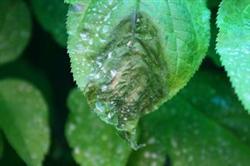
This year the rainfall has been heavy, and the high temperature and high humidity are very suitable for the reproduction of the ginseng Phytophthora blight pathogen. The suitable temperature for the onset of ginseng Phytophthora blight is induced under soil temperatures of 10-30°C; soil temperatures of 20-26°C are most suitable for the disease to occur, while below 5°C and above 30°C the disease stops occurring. The main pathogen causing ginseng Phytophthora blight is infection by the fungus Phytophthora cactorum (Leb. et Coh.) Schroet of the genus Phytophthora in the subdivision Mastigomycotina. The ginseng Phytophthora blight pathogen overwinters as mycelium and spores attached to the remains of diseased plants, in the soil, and in diseased ginseng roots.
The period suitable for the disease to occur generally begins in June, and the high-temperature, high-humidity rainy season from July to August is the peak period of the disease. After it occurs, the damage symptoms on the aboveground plant are that the base of the young stem or petiole of the affected plant initially shows brown water-soaked irregular lesions, which rapidly spread to the entire compound leaf, so that the leaves of the whole plant wilt and droop. The damage symptoms on the underground ginseng root are that the affected part is yellow-brown and water-soaked, gradually spreading into soft rot, the root bark is very easy to peel off, and it gives off a fishy foul odor; in the later stage, white mycelium grows on the outside of the rotten root, often with soil particles stuck to it.
The control methods are to pay attention to the ventilation of the ginseng shed and the drainage of the ginseng bed. Keep the ginseng bed well ventilated and drained, strengthen field management, and pull out diseased plants to prevent the spread of the pathogen. In the diseased holes, quicklime or 0.5% potassium permanganate solution can be used for disinfection. Before the rainy season begins, spray once with 1:1:160 Bordeaux mixture, and thereafter spray once every 7-10 days; 50% mancozeb 600-fold solution can be selected, spraying 3-5 times depending on the condition of the disease. Alternatively, treating the soil with these medicinal solutions has a relatively good effect.