-

Causes and Control Methods of Southern Blight in Phalaenopsis Orchids
Fellow plant lovers probably all know that the flower most prone to disease is the "rose," but even so, many people on the market still like to grow it, because rose blooms have overlapping petals that look beautiful and are very pleasing to the eye when placed at home. In recent years, the market has quietly begun to change, roses have become less popular, and in their place is the "phalaenopsis orchid," for a simple reason: the flower shape is attractive, and it is not very prone to disease.
-
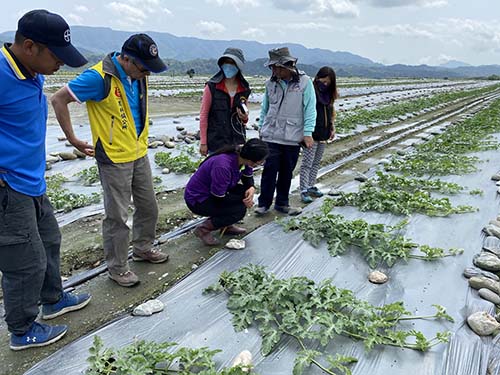
Gummy Stem Blight Found in Watermelon Fields in Fenglin Township; Hualien County Government Urges Growers to Take Preventive Measures
After gummy stem blight damage was reported in some watermelon fields in Fenglin Township, Hualien County, the Hualien County Department of Agriculture, together with the Animal and Plant Disease Control Center, the Hualien District Agricultural Research and Extension Station of the Council of Agriculture, Executive Yuan, and the Fenglin Township Office, went on the 17th to 4 watermelon fields where gummy stem blight had occurred...
-

How to prevent and control southern blight in flowers? Prevention and control of southern blight in flowers
How to prevent and control southern blight in flowers? Prevention and control of southern blight in flowers
-
New method for preventing and treating flower twig blight
New method prevents and treats flower twig blight
-
How to prevent and control southern blight in nursery stock and flowers? Practical methods shared
Prevention and control methods for southern blight in nursery stock and flowers
-
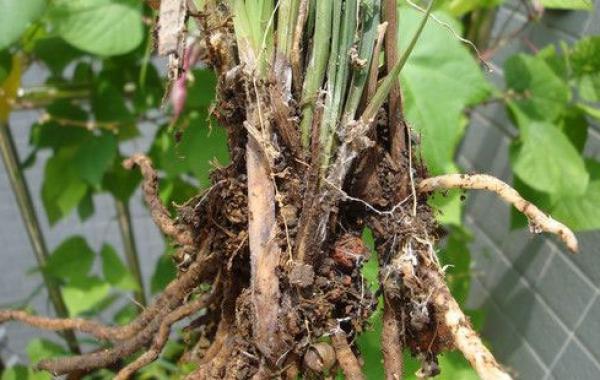
What to Do When an Orchid Gets Southern Blight? Detailed Explanation of Symptoms, Causes and Control Methods
Symptoms, Causes and Control Methods of Southern Blight in Orchids
-
Symptom Identification and Control Methods of Walnut Bacterial Blight
1. Distribution and Occurrence Characteristics Widely distributed in walnut-producing areas such as Hebei, Shandong, Shanxi, Liaoning, Henan, Jiangsu, Zhejiang, Sichuan, Yunnan, Shanxi, and Gansu, with severe incidence in some areas. Infection generally begins in mid-to-late May. The pathogenic bacteria overwinter in the lesions of diseased branch tips or in diseased buds. In the spring of the following year, the bacteria spread by wind and rain splashing onto leaves, fruits, and young branches, causing damage. The pathogen can infect floral organs, so pollen can also carry the bacteria, and insects are also vectors. The bacteria invade through stomata, lenticels, nectaries, and various wounds. Under conditions of sufficient humidity, temperatures within the range of 4-30°C can cause infection of leaves, and 5-27°C can cause infection of fruits. The incubation period varies in different parts: 5-34 days on fruits and 8-18 days on leaves.
-
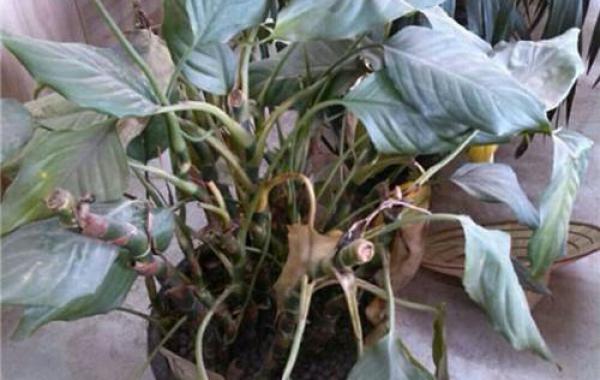
How do you prevent and control pests and diseases such as leaf blight, powdery mildew, and root rot in flowers?
How do you prevent and control pests and diseases such as leaf blight, powdery mildew, and root rot in flowers?
-
The Latest Control Methods for Southern Blight in Orchids
Southern blight in orchids is one of the major diseases of orchids, also known as white silk disease, sclerotium disease, etc. Its harm is second only to anthracnose, but once it occurs, the damage and losses it causes will far exceed those of anthracnose. It usually begins infecting in April to May, with the peak incidence period from June to August, and the disease develops rapid
-
What fungicide to use for orchid leaf blight? Latest effective fungicide recommendations
Orchid leaf blight is a relatively serious disease harming orchids. It usually spreads quickly to the branches and leaves of the orchid and develops very fast. In just a few days the entire diseased seedling turns yellow and withers, somewhat similar to soft rot, except that after the leaf blight diseased plant dies there is no
条件筛选