-
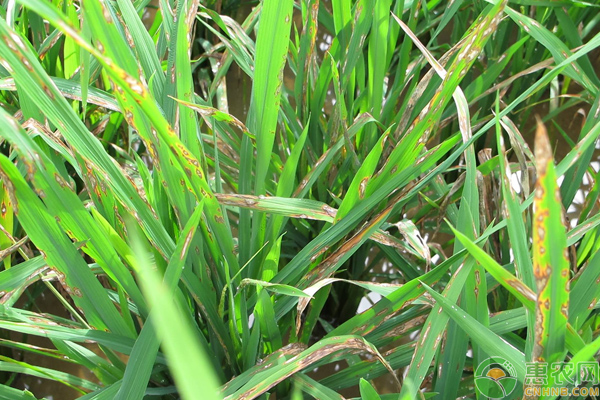
Causes and Control Methods of Rice Sheath Blight in Southern China
How to control rice sheath blight? Causes and control of rice sheath blight in southern China
-
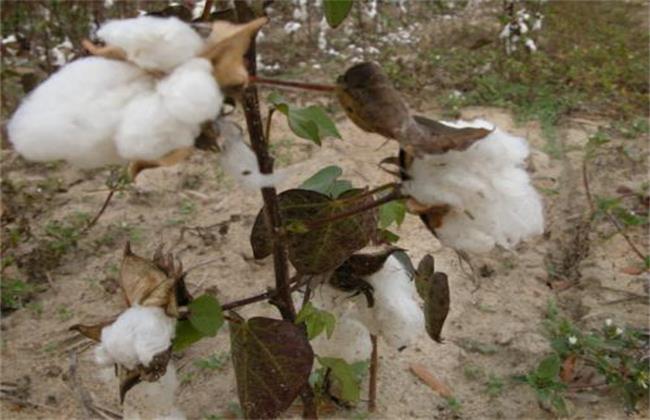
How to Prevent Early Blight in Cotton? A Full Breakdown of Practical Measures
Preventive Measures for Early Blight in Cotton
-
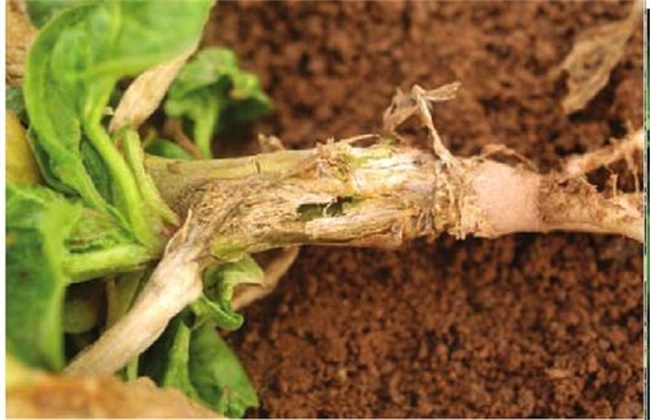
How to prevent and control spinach stem blight? These measures must be mastered
Prevention and control measures for spinach stem blight
-
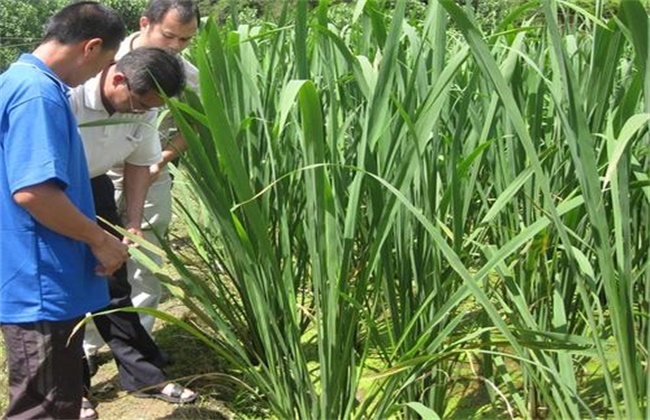
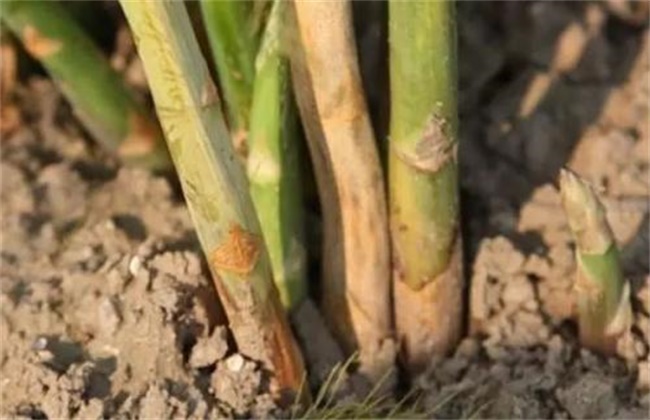
How to prevent and control sheath blight in water bamboo? A full analysis of practical methods
Control methods for sheath blight in water bamboo
-
-
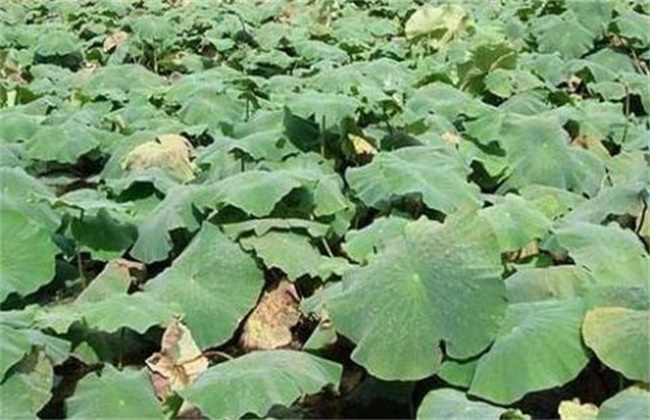
Detailed Explanation of the Causes of Lotus Root Leaf Blight and Control Measures
Causes of Lotus Root Leaf Blight and Control Measures
-
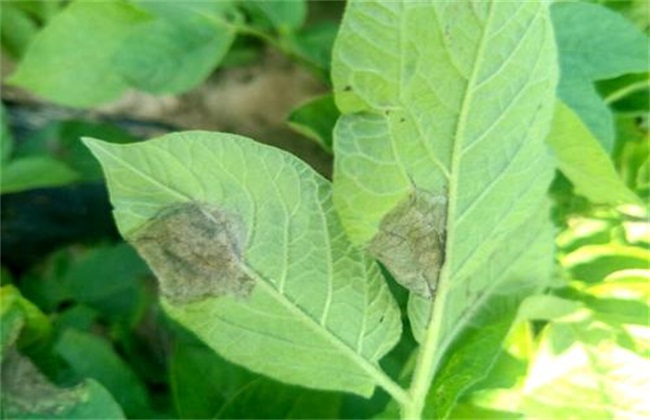
How to Prevent and Control Potato Late Blight? A Detailed Guide to Practical Methods
Potato Late Blight Prevention and Control Methods
-
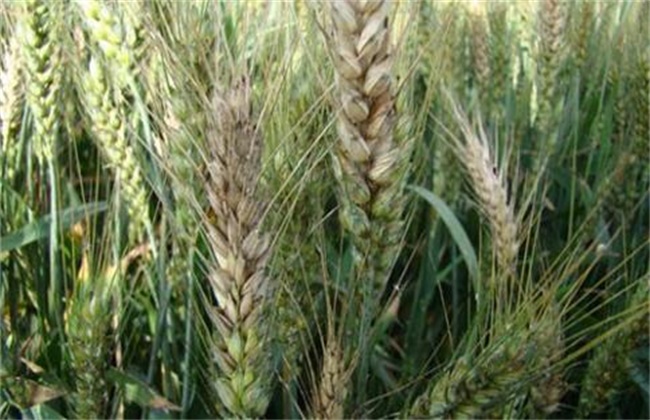
What are the control measures for wheat fusarium head blight? Read this article to understand
Control measures for wheat fusarium head blight
-

Rice physiological red blight can be controlled with raw gypsum powder
Rice physiological red blight often occurs in cold-waterlogged mountain valley fields and in paddy fields where organic green manure has not fully decomposed. This disease mostly occurs at the tillering stage of rice, showing as very little tillering, leaves turning yellow-brown, and tea-brown irregular spots on the first and second leaves from the base; some mistake it for leaf blast. When the rice hills are pulled up, the root system is yellow-brown, and in severe cases black; the seedlings do not grow, commonly called "fa qiu". There are three main causes of physiological red blight: first, toxic substances such as hydrogen sulfide produced during the decomposition of green manure; second, some cold-waterlogged
-
Four key passes must be secured in controlling rice sheath blight
In recent years, sheath blight has risen to become the most important disease of rice, and it has four major characteristics: First, it occurs over a wide area. Second, there are very few varieties resistant to sheath blight. Third, the degree of damage is increasingly serious, even causing the plants to break through the top and lodge. Fourth, it first develops on the lower part of the rice plants, making it easy to overlook and miss the favorable timing for control. In control strategy, strictly securing the four passes is the key. 1. The pass of salvaging sclerotia - sheath blight mainly overwinters in rice fields in the form of sclerotia, and overwintering sclerotia generally have 60%-70% able to germinate from winter and spring through to early rice transplanting. The vast majority of sclerotia are lighter than water and can float with the water for a long time. After the rice field is irrigated,
条件筛选