-

Causes and Control Methods of Southern Blight in Phalaenopsis Orchids
Fellow plant lovers probably all know that the flower most prone to disease is the "rose," but even so, many people on the market still like to grow it, because rose blooms have overlapping petals that look beautiful and are very pleasing to the eye when placed at home. In recent years, the market has quietly begun to change, roses have become less popular, and in their place is the "phalaenopsis orchid," for a simple reason: the flower shape is attractive, and it is not very prone to disease.
-
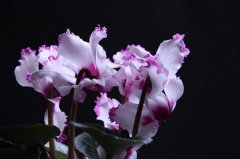
Control Methods for Phytophthora Blight, a Disease of Cyclamen Pests and Diseases
An introduction to the symptoms and control methods of Phytophthora blight, a disease of cyclamen pests and diseases. Symptoms: the heart bud and the base of the plant are affected. In the early stage of infection, the plant's leaves droop, the petiole and peduncle tissue near the tuber fade and become constricted, and the leaves and flowers wilt and fall over. The heart bud turns brown and withers. The underground tuber
-

Introduction to the Symptoms and Control Methods of Seedling Blight in Calla Lilies
What do the symptoms of seedling blight in calla lilies look like, what are the transmission routes, and how do we go about controlling this disease? Let's take a look together. Symptoms: It causes rot of the bulb sprouts, browning of seedling leaves, and shriveling and curling. When the sprouts are not damaged, they can still grow normally; if the affected leaves dry up and wrap around the terminal bud, it causes stunting or poor stem emergence. Besides damaging the leaves, this fungus can also harm the base of the stem, causing browning symptoms at the sprouting sites and forming wounds that facilitate further damage by bacterial soft rot.
条件筛选