-

Identification and Control Methods of Southern Blight in Japanese Euonymus
Southern blight in Japanese euonymus is caused by a fungus and is characterized by being highly destructive and spreading rapidly. If not controlled properly, it can cause the death of all seedlings. Based on past work, we have summarized the characteristics and control methods of southern blight in Japanese euonymus. Symptoms: In the early stage of the disease, the stem or leaf base near the soil turns brown and rots. After a few days of sun exposure, white silky mycelium appears on the diseased parts and soil surface, spreading radially through the rhizosphere soil. Later, brown, rapeseed-shaped small sclerotia grow on the stem near the soil surface, often causing the death of the entire plant.
-
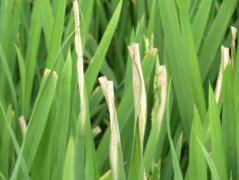
Success in Controlling Rice Bacterial Leaf Blight: Xingda Releases 2 Disease-Resistant Rice Varieties
Rice bacterial leaf blight, be gone! Xingda releases 2 disease-resistant rice varieties. Do you know which two rice varieties they are? Let's take a look. When farmers grow rice, what they fear most is encountering bacterial leaf blight, rice blast and sheath blight. The appearance of these diseases means reduced yields and affected rice qual
-
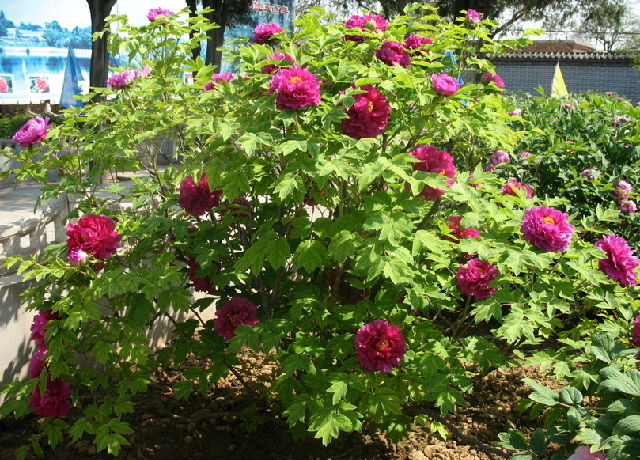
How to prevent and control southern blight in tree peonies
Southern blight in tree peonies mainly occurs at the stem base near the ground. Years of research show that the planting soil and fertilizer are the main sources of infection for this disease. It is more likely to occur before and after the tree peony blooms and during hot, rainy seasons. When the disease strikes, the above-ground parts show no obvious symptoms; later, as temperature and humidity rise, the mycelium spreads from the rhizome out onto the soil surface
-
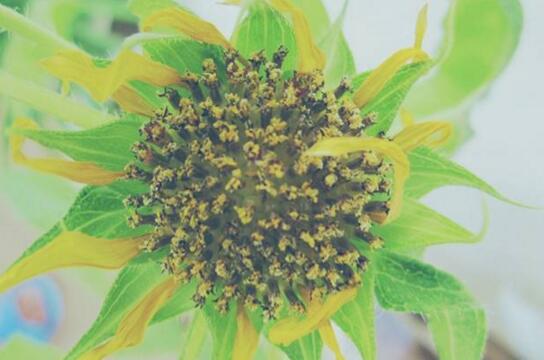
What to Do When Sunflower Leaves Wilt? Leaf Blight, Nutrient Deficiency, and Planting Methods
If asked to name the easiest plants to grow, many people would think of sunflowers. Yet some people find that the sunflowers they are growing have wilted leaves, and some are at a loss about what to do. In fact, with reasonable measures they can be saved.
-
What to Do If a Peony Gets Southern Blight? A Detailed Guide to Prevention and Control
Southern blight of peony mainly occurs at the stem base of seedlings near the ground. Soil and fertilizer are the sources of infection, and the disease is especially severe when sweet potato or soybean was the previous crop. It is more likely to occur around flowering and during hot, rainy seasons. In the early stage, there are no obvious symptoms on the aboveground parts; as temperature and humidity rise,
-

What to Do When Dracaena Gets Tip Blight? Detailed Prevention and Control Methods
Dracaena tip blight mainly affects the lower leaves. After the leaf tip is infected, the disease spreads inward; the lesion turns straw-yellow and sunken, with a brown line at the boundary between diseased and healthy tissue, and many small black dots form on the diseased area. The leaves often die from the disease, but on the middle leaves only the leaf tip dies back, which is why it is called tip blight. It therefore directly and greatly affects the ornamental effect.
-

What are the control methods for leaf blight in areca palms?
Areca palm leaf blight is a common disease caused by fungal infection, and it has a major impact on the growth of areca palms. In mild cases it causes the leaves to dry up, and in severe cases it can cause the entire plant to die. It is severe in summer and during rainy autumn weather. In the north it mostly occurs in greenhouses with high humidity and high temperatures
-

What to Do When Amaryllis Gets Leaf Blight? A Detailed Guide to Prevention and Treatment
When temperatures are high, humidity is high, and ventilation is poor, amaryllis leaves are prone to leaf blight infection. In the early stages of the disease, brown spots appear at the leaf tips and leaf margins, then expand into red lesions; in severe cases, small black granules appear on the lesions, causing the leaves to turn yellow and wither prematurely. The prevention and treatment methods are as follows: 1. Strengthen care
-

How to prevent and control lilac leaf blight?
Symptoms and pathological changes: Brown spots mainly form on the leaves. The spots are round, nearly round or irregular, with dark brown edges and light brown centers. In severe cases, the leaves are covered with brown spots and fall early, leaving only a few leaves on the whole plant. The pathogen is a fungus, Cercospora lilacis. The stroma is spherical, dark brown. The conidiophores are bundled, upright.
-

What are the control methods for southern blight in tulips?
Southern blight is a common disease that causes great damage to tulips and often leads to the death of the plants. When growing them, attention should be paid to prevention and control. Symptoms: the whole plant wilts, white mycelial strands or rapeseed-like tan-colored small sclerotia wrap around the stem base, and the affected part turns brown, rots and decays. Large numbers of white mycelial strands and tan-colored fungal bodies can be seen on the soil surface.
条件筛选