-
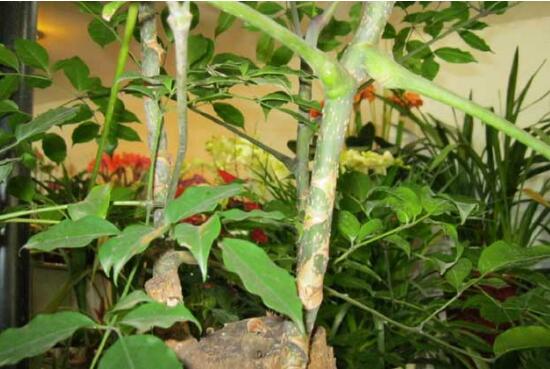
How to prune a Radermachera sinica? Pinching and heading back are very important, with illustrated guide
Radermachera sinica, an ornamental plant with an auspicious meaning, grows very quickly and will become very lush if you are not careful. To keep the Radermachera sinica looking beautiful, like a person's hair, we need to prune it properly. So how do you prune a Radermachera sinica? So that everyone can grow a beautiful Radermachera sinica
-
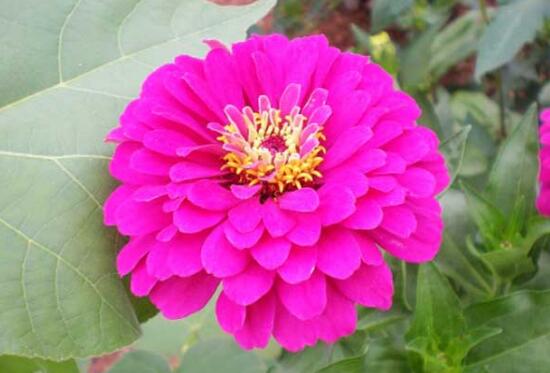
How do you care for zinnias through the four seasons? Sow in spring, cool down in summer, increase light in autumn, and they die back in winter
Zinnia (Zinnia elegans), a common ornamental plant, blooms one flower after another, symbolizing step-by-step advancement, and is deeply loved by flower enthusiasts, with many people growing it in pots at home. However, growing zinnias well is not such an easy task, because their care differs through all four seasons. So how do you care for zinnias through the four seasons?
-
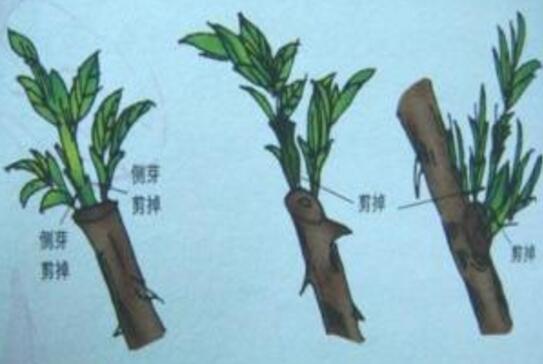
How to prune the cast iron plant (Aspidistra elatior)? Thinning, leaf removal and heading back encourage new leaves to sprout
The cast iron plant is one of the 50 plants suitable for growing indoors, and its main role is foliage display. Since it is grown indoors, pruning is inevitably involved, so what is the correct way to prune the cast iron plant? Here are a few key points for you.
-
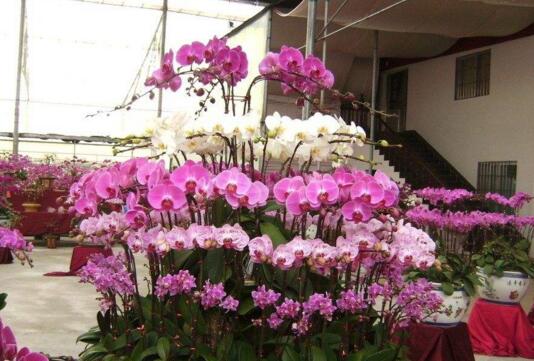
What to Do When a Butterfly Flower Has Root Rot? Three Steps - Pruning, Disinfection and Repotting - to Bring It Back from the Dead
When we grow butterfly flowers, improper watering or pathogen-containing soil can cause the roots of the butterfly flower to rot. This phenomenon is called root rot in botany, and it has a fatal effect on the plant's growth.
-
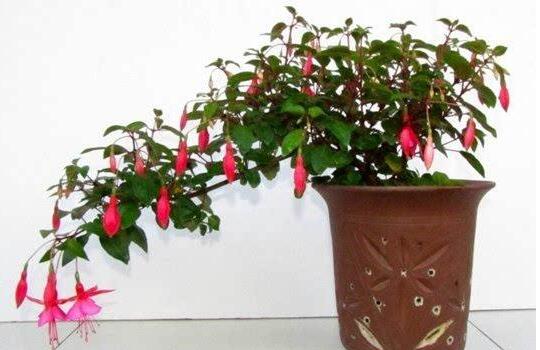
How to prune and pinch back fuchsia? With diagrams and timing tips
Fuchsia is known for its emerald green leaves and varied flower colors. To grow robust plants that bloom abundantly, mastering fuchsia care methods is essential, and one of the key steps is pruning, such as pinching back and thinning, which can control plant growth and the amount of blooming
-
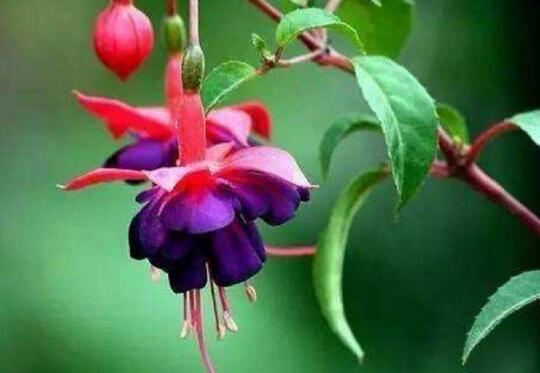
What to Do When Fuchsia Leaves Wilt? Four Tricks to Bring Them Back to Life
Under ideal conditions, the leaves of fuchsia should be green all year round, but due to changes in the environment and differences in growing methods, some flower lovers encounter wilting leaves, which not only prevents it from blooming but also signals poor growth
-
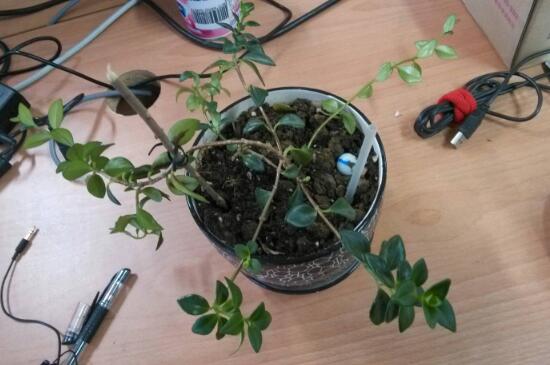
How to prune the goldfish plant? Pinch back appropriately for more flowers
The goldfish plant (Nematanthus gregarius) should be familiar to everyone; it is a very popular potted plant, and its emerald green leaves and goldfish-like flowers make people love it endlessly. But wanting to see those little golden goldfish is not so simple, because it needs pruning, and this is a technical job
-

Rural Vision Ep. 05│Raising cattle and boating in the heart of Dutch cities! National spatial planning and the "Green Heart": agriculture and cities coexisting, giving land back to the river
Rural Vision Ep. 05│Raising cattle and boating in the heart of Dutch cities! National spatial planning and the "Green Heart": agriculture and cities coexisting, giving land back to the river
-
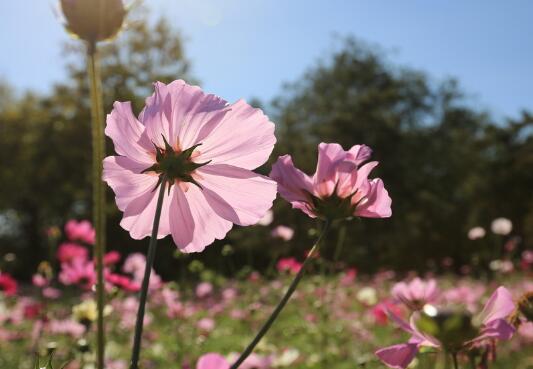
How to Pinch Back and Top Cosmos: Methods and Precautions Explained
Cosmos is a highly ornamental flowering plant that can be seen in many regions of China, and many people in China grow it. However, to grow it well, there are many things to pay attention to, among which pinching is a relatively important process during its growth. So how do you top and pinch cosmos?
-
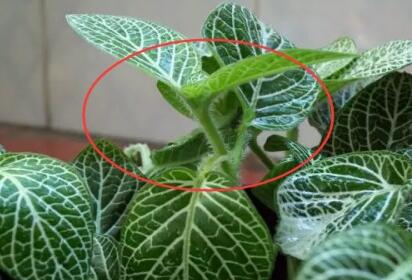
How to prune Fittonia (nerve plant) when it grows too tall? Detailed guide to pinching and cutting back
As long as Fittonia is given a suitable environment, its growth rate is very fast, and this advantage also becomes a trouble for some flower growers, because it grows so wildly that the pot is packed full, which to a certain extent affects the beauty of the plant's shape and reduces its ornamental value. To solve this trouble, pruning is needed.
条件筛选