How do you care for zinnias through the four seasons? Sow in spring, cool down in summer, increase light in autumn, and they die back in winter
Zinnia (Zinnia elegans), a common ornamental plant, blooms one flower after another, symbolizing step-by-step advancement, and is deeply loved by flower enthusiasts, with many people growing it in pots at home. However, growing zinnias well is not such an easy task, because their care differs through all four seasons. So how do you care for zinnias through the four seasons? Let us explain below.
1. How do you care for zinnias through the four seasons? Light and fertilizing are very important
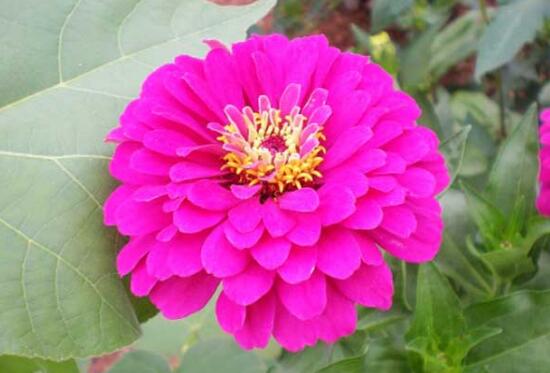
In the methods for growing zinnias, we have learned that zinnias have strong vitality and are very easy to keep alive. But once care is improper, although zinnias will not die, various problems will still appear, such as yellowing zinnia leaves and leggy zinnia growth, seriously affecting their ornamental value. So in order to grow them well, let us next learn how to care for zinnias through the four seasons.
2. Four-season care methods for zinnias
1. Spring care
Zinnias like light and a warm, humid environment. In spring, we should keep them on balconies facing east, south or west, so the zinnias receive plenty of light and prepare for the upcoming flowering season. Note that zinnias prefer moist soil but are also fairly tolerant of drought; they like fertilizer but also tolerate poor soil.
How do you care for zinnias through the four seasons? April to June is the best season for sowing zinnias. At this time you can choose loose, fertile, well-drained soil and sow the zinnia seeds into it. As for the sowing and propagation method for zinnias, it was introduced in detail earlier, so it will not be repeated here. When the seedlings have 3 to 4 leaves, they can be transplanted into pots.
One week after planting in pots, we need to pinch the zinnias twice to keep them compact and encourage more side branches, forming a full pot. Because the pinching method for zinnias was introduced in detail earlier, it will not be repeated here. In the subsequent growing period, we need to give the zinnias plenty of light, keep the potting soil moist, and apply light fertilizer frequently.
The flowering period of zinnias is June to October, so starting in June, zinnias will bloom one after another. At this time, we should place the zinnias in a spot with plenty of light, keep the potting soil moist, and fertilize appropriately, which benefits the growth and opening of the next round of flowers. Note: after a single flower fades, it needs to be cut off promptly, otherwise it will affect the appearance. If you want to save seeds, you can wait until the flower dries up before cutting it off.
2. Summer care
How do you care for zinnias through the four seasons? After spring comes summer. Because zinnias are not afraid of strong light, continue keeping them on balconies facing east, south or west. However, zinnias cannot tolerate high temperatures; high temperatures slow their growth, reduce flowering, and the flowers will not set seed. So apart from early morning and evening, they cannot be kept on the balcony at noon.
In summer, the temperature is very high, so we must keep the potting soil moist and stop fertilizing. In mid-to-late August, after the temperature drops, normal growth and flowering can gradually resume. They need to be moved into the light for cultivation; at this time, no matter what time it is, they can be placed on the balcony so the zinnias receive plenty of light.
3. Autumn care
How do you care for zinnias through the four seasons? After summer, autumn is the peak season for zinnia growth and flowering. We must keep the potting soil moist and provide plenty of light, and fertilize appropriately. Zinnias are not cold-tolerant; after the temperature drops in late autumn, they are prone to freezing and dying. If placed on a closed balcony with light, the zinnia flowering period and ornamental period can be extended.
4. Winter care
As the temperature drops, in winter the zinnias will die back. As for how to care for zinnias through the four seasons, after reading the whole article, everyone should know what to do! Overall, zinnias are very easy to grow, but you cannot be careless, otherwise problems will arise. Finally, we wish every flower enthusiast can grow beautiful zinnias.
How do you care for zinnias through the four seasons
Spring care for zinnias
Suitable for placing on balconies facing east, south or west. Zinnias prefer moist soil but are also fairly tolerant of drought; they like fertilizer but also tolerate poor soil.
Sow in late April; for potting soil, it is suitable to choose deep, fertile, well-drained soil. When the seedlings have 3 to 4 leaves, they can be transplanted into pots. During the sowing period and the early transplant period, the soil must be kept moist.
In the early planting stage, pinch the tips 1 to 2 times to keep the plants compact and encourage more side branches, forming a full pot. During the growing period, the zinnias need plenty of light, the potting soil should be kept moist, and light fertilizer should be applied frequently. Flowering begins in June; place them in a spot with plenty of light, keep the potting soil moist, and fertilize appropriately, which benefits the growth and opening of the next round of flowers.
After a single flower fades, it needs to be cut off promptly, otherwise it will affect the appearance; in addition, cutting off the spent flowers can also promote the sprouting, growth and flowering of new branches lower down on the zinnia. If you want to save seeds, you can wait until the flower dries up before cutting it off.
Summer care for zinnias
Suitable for placing on balconies facing east, south or west. Zinnias cannot tolerate high temperatures; high temperatures slow their growth, reduce flowering, and the flowers will not set seed. After the temperature rises, they can be moved to a spot with morning and evening light or bright light for cultivation and viewing, keeping the potting soil moist and stopping fertilization.
In mid-to-late August, after the temperature drops, normal growth and flowering can gradually resume. They need to be moved into the light for cultivation.
Autumn care for zinnias
Suitable for placing on balconies facing east, south or west. Autumn is the peak season for zinnia growth and flowering; keep the potting soil moist and provide plenty of light, and fertilize appropriately. Zinnias are not cold-tolerant; after the temperature drops in late autumn, they are prone to freezing and dying. If placed on a closed balcony with light, the zinnia flowering period and ornamental period can be extended.
As the temperature drops, the zinnias gradually die back.
Winter care for zinnias
In winter, the zinnias will die back.
How do you care for zinnias? Four-season care methods for zinnias!
Zinnia (Zinnia elegans) is a famous ornamental plant, deeply loved by flower enthusiasts. However, because zinnias originated in Mexico, special attention must be paid to care techniques when growing them in our country. So next, let us introduce the four-season care methods for zinnias.
Image: Four-season care methods for zinnias
1. Spring care methods for zinnias
Suitable for placing on balconies facing east, south or west. Zinnias prefer moist soil but are also fairly tolerant of drought; they like fertilizer but also tolerate poor soil.
Sow in late April; for potting soil, it is suitable to choose deep, fertile, well-drained soil. When the seedlings have 3 to 4 leaves, they can be transplanted into pots. During the sowing period and the early transplant period, the soil must be kept moist.
In the early planting stage, pinch the tips 1 to 2 times to keep the plants compact and encourage more side branches, forming a full pot. During the growing period, the zinnias need plenty of light, the potting soil should be kept moist, and light fertilizer should be applied frequently. Flowering begins in June; place them in a spot with plenty of light, keep the potting soil moist, and fertilize appropriately, which benefits the growth and opening of the next round of flowers.
After a single flower fades, it needs to be cut off promptly, otherwise it will affect the appearance; in addition, cutting off the spent flowers can also promote the sprouting, growth and flowering of new branches lower down on the zinnia. If you want to save seeds, you can wait until the flower dries up before cutting it off.
2. Summer care methods for zinnias
Suitable for placing on balconies facing east, south or west. Zinnias cannot tolerate high temperatures; high temperatures slow their growth, reduce flowering, and the flowers will not set seed. After the temperature rises, they can be moved to a spot with morning and evening light or bright light for cultivation and viewing, keeping the potting soil moist and stopping fertilization.
In mid-to-late August, after the temperature drops, normal growth and flowering can gradually resume. They need to be moved into the light for cultivation.
Image: Four-season care methods for zinnias
3. Autumn care methods for zinnias
Suitable for placing on balconies facing east, south or west. Autumn is the peak season for zinnia growth and flowering; keep the potting soil moist and provide plenty of light, and fertilize appropriately. Zinnias are not cold-tolerant; after the temperature drops in late autumn, they are prone to freezing and dying. If placed on a closed balcony with light, the zinnia flowering period and ornamental period can be extended.
As the temperature drops, the zinnias gradually die back.
4. Winter care methods for zinnias
In winter, the zinnias will die back.
The above is an introduction to four-season care techniques for zinnias. We hope it can be helpful to everyone!