How to prune the cast iron plant (Aspidistra elatior)? Thinning, leaf removal and heading back encourage new leaves to sprout
The cast iron plant is one of the 50 plants suitable for growing indoors, and its main role is foliage display. Since it is grown indoors, pruning is inevitably involved, so what is the correct way to prune the cast iron plant? Here are a few key points for you.
When to prune
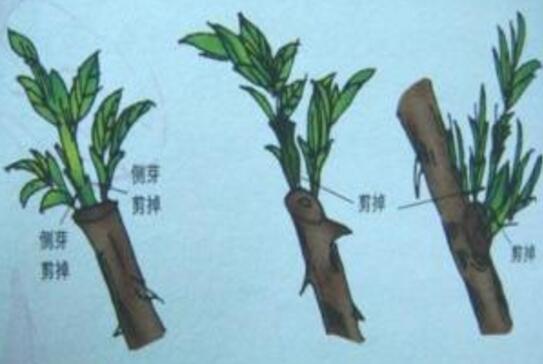
Growing the cast iron plant does not require frequent pruning the way watering does. Usually, two times are most suitable for pruning: one is when it sprouts in spring, and the other is before winter arrives. Pruning at these two times both ensures the growth of new shoots and prevents pests and diseases.
Pruning when it sprouts in spring can remove the excess new shoots that affect growth, which benefits the development and growth of the cast iron plant's new leaves; pruning before winter means cutting off the old, withered branches, which can reduce the chance of insect sources or pathogens overwintering and avoid wasting nutrients.
How to prune the cast iron plant
1. Thinning
Cutting away the dense branches and leaves can adjust the balance of growth among them, so that the branches and leaves growing too fast will not grow too fast or too tall, and the branches and leaves growing slowly for lack of light get sufficient light, making the whole plant more robust.
2. Leaf removal
Leaf removal is usually done in autumn. At this time, how should the cast iron plant be pruned? Removing old leaves and yellow leaves can promote the growth of new leaves, because a potted cast iron plant 3-4 years old will inevitably show yellow leaves, withered leaves and so on, and if they are not removed, they will become the main target of pest attacks.
3. Heading back
Cutting overly tall branches shorter controls the plant's growth vigor and prevents the plant from having uneven heights, which is neither attractive nor good for the growth of the new branches and leaves below. So cutting back is actually beneficial to the growth of the cast iron plant, and it also helps flowering and fruiting.
Notes
1. When pruning, the cut should be smooth. Use a relatively sharp tool to cut through in one go, rather than using a blunt tool to tear repeatedly. Before winter arrives, generally do not do heading back; mainly just remove leaves. Afterwards, pay attention to how to water the cast iron plant so that it overwinters smoothly.
2. Pruning generally only cuts old leaves and keeps new leaves, but you must not cut away all the old leaves, because the growth of the cast iron plant needs the old leaves to provide nutrients. If all the old leaves are cut off, the new leaves will be unable to grow, and the plant may even die.
How to prune the cast iron plant
When is the best time to prune the cast iron plant
The whole year's work depends on a good start in spring. Early spring is the period when plants sprout and grow, and the cast iron plant is no exception. At this time, the cast iron plant should be pruned: on the one hand, cut off some aged stems and leaves to make the plant shape more attractive; on the other hand, cut off withered leaves to save some nutrients and promote the growth of new leaves. Pruning at this time can be combined with repotting. Note that when repotting, replace part of the nutrient soil, add an appropriate amount of base fertilizer, and first place it in a shaded spot for a period of care.
How to prune the cast iron plant
The main purposes of pruning the cast iron plant are to adjust the growth balance among branches and leaves, promote flowering and fruiting, improve ventilation conditions, and promote more robust growth of branches and leaves.
Pruning the cast iron plant is mainly divided into two types: one is thinning, and the other is leaf removal, but in essence they are the same.
First, let's look at thinning. A cast iron plant kept as a houseplant for 3~4 years usually has dense branches and leaves. The purpose of thinning is mainly to cut away diseased branches, weak branches, withered branches and so on, enhancing ventilation, helping the inner leaves get light, and strengthening the plant's growth vigor. Thinning is generally carried out every spring.
The other method is leaf removal: promptly remove old leaves and yellow leaves to promote the sprouting of new leaves. But note that you should only cut old leaves and keep new leaves. When pruning, pay attention to the degree; do not be too harsh. This is because leaf sprouting needs old leaves to provide nutrients, and when leaves are reduced, this process is very difficult to carry out.
When is the best time to prune the cast iron plant, and the pruning methods for the cast iron plant
The cast iron plant not only sets off furniture beautifully for viewing, but also purifies the air and absorbs harmful substances, so the cast iron plant is much loved by people. So when is the best time to prune the cast iron plant? Below, let's introduce the pruning methods for the cast iron plant.
When is the best time to prune the cast iron plant
The cast iron plant should be pruned in early spring together with repotting, cutting off old roots and removing withered leaves. Note: fill in with potting soil based mainly on leaf mold, and apply base fertilizer, then place it in a shaded spot for care.
Pruning methods for the cast iron plant
Pruning and trimming flowers and trees can regulate growth, flowering and fruiting. Pruning can also improve ventilation and light conditions, prompting the branches and leaves of flowers and trees to grow more robustly.
There are two ways to prune branches. One is to remove them from the base of the branch, called thinning. Thinning is cutting away overly dense branches as well as crossing branches, vigorous water sprouts, weak branches, diseased and insect-damaged branches and withered branches, which helps the tree body's ventilation and light penetration and strengthens the plant's growth vigor. The other way is to cut the branch shorter, called heading back. Heading back can prompt the lateral buds of the branch to sprout, adjust growth vigor, and benefit flowering and fruiting. It can control the plant's growth height, making spring flowering abundant and neat. It can promote the sprouting of lateral branches, forming the flowering branches for the next year.
Leaf removal should promptly remove part of the old leaves to promote the sprouting of new leaves. After the cast iron plant is moved outdoors in spring, removing old leaves can promote the production of more new branches and new leaves, with vigorous growth and many flower buds.