What to Do When a Butterfly Flower Has Root Rot? Three Steps - Pruning, Disinfection and Repotting - to Bring It Back from the Dead
When we grow butterfly flowers, improper watering or pathogen-containing soil can cause the roots of the butterfly flower to rot. This phenomenon is called root rot in botany, and it has a fatal effect on the plant's growth. So what should you do when a butterfly flower has root rot? The editor teaches you three steps to bring the butterfly flower back to life.
What to Do When a Butterfly Flower Has Root Rot
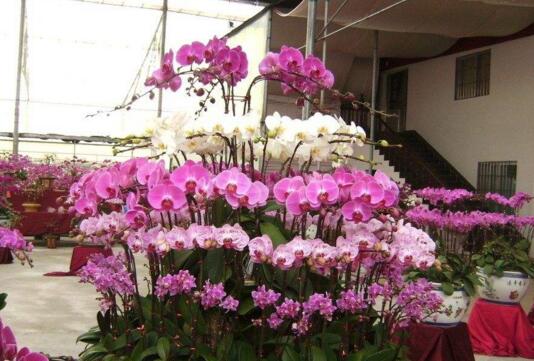
1. Cut off the rotten roots
Take the plant out of its pot, clean the soil off the roots, rinse them with clean water, and then cut off the rotted root parts to keep the rot from spreading to the other roots. When pruning, be careful not to damage other parts of the roots, so as to avoid root injury.
2. Choose the soil
Choose a new, fertile, loose and healthy soil. If the soil is clayey, you can apply plant ash to the surface of the soil; if the soil is fairly sandy, water may seep through too quickly, so when planting you can spread peat on the soil surface to moderate this appropriately.
3. Replace the potting soil
If the butterfly flower not only shows root rot but its leaves also turn yellow and drop, then it is very likely caused by pests and diseases, and the cause is pathogens in the soil. At this point, what should you do when a butterfly flower has root rot? First disinfect the roots, for example by soaking them in a potassium permanganate solution for 5-30 minutes, and then repot the plant.
How to Care for Butterfly Flowers in Daily Life
1. Water correctly
When watering, neither be too diligent nor water too little. For the method, you can refer to the detailed introduction in how to water butterfly flowers. Especially in the rainy season, pay even more attention to drainage; if water accumulates for too long, root rot can also occur.
2. Keep the temperature moderate
Butterfly flowers like a cool, shady environment, so when summer temperatures are too high, you should shade them and cool them down appropriately. The method is to move them to a cool, ventilated place, and you can also spray water on the leaves to achieve a cooling effect.
3. Keep them warm in winter
Butterfly flowers are very cold-hardy, but if the temperature is too low they will still suffer freeze damage. So in the north, they should be moved to a warm indoor spot, while in the south you can wrap two layers of plastic film around the plant to achieve a warming effect.
4. Fertilize scientifically
Fertilizing not only provides the nutrients butterfly flowers need for growth, but also improves their resistance to disease, giving them a relatively strong constitution and effectively preventing root rot, so scientific fertilization is very important.
What to Do When a Butterfly Flower Has Root Rot, and How to Rescue and Treat It
Butterfly flowers are common herbaceous landscaping plants, and their flowering season is at the turn of spring and summer. Butterfly flowers are very gorgeous and beautiful, and they are very suitable for growing at home. Planting a few at home is quite nice, but improper care during cultivation often causes butterfly flowers to develop root rot. If not treated in time, the loss outweighs the gain. Below is an introduction to the causes of root rot in butterfly flowers and how to treat it.
Analysis of the Causes of Root Rot in Butterfly Flowers 1. Butterfly flower root rot: choice of potting soilWhen choosing potting soil, first choose a loose, airy, water-permeable substrate. For example, peat mixed with perlite, or peat mixed with pine needles, moss, etc. are all fine. Use organic fertilizer as a base fertilizer.
2. Butterfly flower root rot: water appropriatelyKeep the potting soil moist, but it must not become waterlogged; waterlogging is the main cause of root rot. Pay attention and observe: if after watering the water does not seep down for a long time, it means the potting soil has been used for a long time and its density has increased, so you should change the soil quickly to avoid root rot. Once root rot occurs, you can tip the potting soil out and break it up, rinse the roots clean with clean water, cut off the rotten roots, and keep the intact parts as much as possible.
What to Do When a Butterfly Flower Has Root RotPrune and disinfect, repot and change the soil, and wash the roots.
When the plant's root rot is relatively severe, take the following method:
Take the plant out of its pot, clean the soil off the roots, then remove the rotted parts of the roots. Soak the cut surfaces and the remaining roots in a 2‰ potassium permanganate solution for 10 minutes, let them dry, then coat the cuts with plant ash, and you can repot the plant. The potting soil must be disinfected; you can drench the potting soil thoroughly with boiling water and use it after it cools.
When repotting, press the root crown firmly, water thoroughly, place it in a shaded spot, cover it with plastic film, and keep the temperature at around 20°C; new roots will grow in about 20 days.
What to Do When a Butterfly Flower Has Root Rot
Treatment Methods for Root Rot in Butterfly Flowers
Choice of potting soil
When choosing potting soil, first choose a loose, airy, water-permeable substrate. For example, peat mixed with perlite, or peat mixed with pine needles, moss, etc. are all fine. Use organic fertilizer as a base fertilizer.
Water appropriately
Keep the potting soil moist, but it must not become waterlogged; waterlogging is the main cause of root rot. Pay attention and observe: if after watering the water does not seep down for a long time, it means the potting soil has been used for a long time and its density has increased, so you should change the soil quickly to avoid root rot. Once root rot occurs, you can tip the potting soil out and break it up, rinse the roots clean with clean water, cut off the rotten roots, and keep the intact parts as much as possible.
Prune and disinfect, repot and change the soil
When the plant's root rot is relatively severe, take the following method:
Take the plant out of its pot, clean the soil off the roots, then remove the rotted parts of the roots. Soak the cut surfaces and the remaining roots in a 2‰ potassium permanganate solution for 10 minutes, let them dry, then coat the cuts with plant ash, and you can repot the plant. The potting soil must be disinfected; you can drench the potting soil thoroughly with boiling water and use it after it cools.
When repotting, press the root crown firmly, water thoroughly, place it in a shaded spot, cover it with plastic film, and keep the temperature at around 20°C; new roots will grow in about 20 days.