-
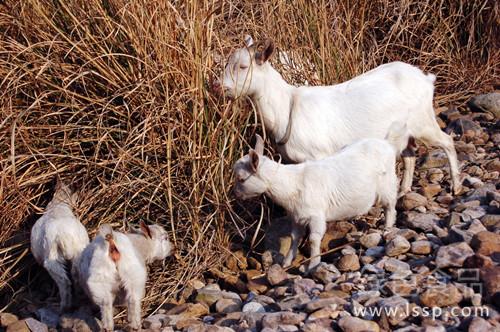
Lamb with arched back, lying down, weak limbs, not moving? White muscle disease prevention and treatment methods are here
Arched back, preferring to lie down, weak limbs, not moving: prevention and treatment methods for lamb white muscle disease
-

What treatment works well for chickens that crane their heads back to look at the sky and kneel on the ground?
In the process of raising chickens, you will often come across some chickens with strange, bizarre postures: the first is the head tilted backward, with both eyes looking up at the sky. The second is walking while kneeling on the ground. What disease are these two postures in chickens a sign of, and what methods are used to treat them? The first strange posture: head tilted backward, both eyes looking up at the sky. It is a sign that the chicken has VB1 deficiency. VB1, also known as thiamine, is a substance essential for carbohydrate metabolism in the chicken's body. Nervous tissue relies on the oxidation of carbohydrates to supply energy; if VB1 is deficient, then because of insufficient energy supply to its nervous tissue, nutritional disorders of the nerves will appear, leading to functional imbalance, and the sick chicken will show multiple neuritis. VB1 deficiency also slows the chicken's intestinal peristalsis, relaxes the intestinal wall, reduces appetite, and stunts growth. VB1 deficiency can occur in chickens of all ages, but chicks and young chickens are affected more often. Sick chickens have weakness in both legs and an unsteady gait; because of inflammation of the peripheral nerves, the head bends extremely backward, in a shape that looks like gazing at the sky. Prevention and treatment: First, supply enough VB1 in the chicken's diet; adding 0.8 to 0.9 mg per kilogram of feed for young chickens and adult chickens, and 1.5 mg per kilogram of feed for chicks, can prevent the occurrence of this disease; second, for chickens already affected, intramuscular injection of 5 mg of thiamine (the amount for one chicken), once a day, for five to seven consecutive days, gives an extremely good therapeutic effect.
-
When can the origin of dogs be traced back to?
The oldest domestic dog fossil discovered so far is about 1,200 years old. But people still cannot accurately determine when it began to change into the domestic dog. In ancient times, the many similarities between wolves and humans in their way of life made the process of wolves changing from wild beasts into domestic dogs simple. At that time, wolves, like humans, ran everywhere in search of food. People often gave leftover food to the wolves, and the wolves gradually became familiar with humans, always following human footprints, indicating nearby herds in advance and warning of dangerous situations. People were also interested in wolves,
-
Control recommendations for the fourth generation of white-backed planthopper in rice issued, please carry out timely prevention and control
For the pesticide, use 40% chlorpyrifos (Xinnongbao, Saiben) 100 ml/mu plus 25% buprofezin (Puhsiling) 50 g/mu plus 5% jinggangmycin 200 ml/mu (or 30% Aimiao 15 ml/mu), mix with 30 kg of water for fine spraying.
-

What are the care methods for the red-backed prayer plant?
The red-backed prayer plant, also known as the red-backed calathea. The leaves are long-elliptic, ovate or broadly lanceolate, leathery, dark green, glossy, with a lighter midrib and blood-red undersides. The flower stalks, bracts and calyx are all bright red, with small white flowers inside. Many small flowers form a panicle. The flowering period is from winter to spring. Because the flowers are numerous and dense
-
How to use a backpack air-assisted sprayer: save chemicals and labor when spraying orchards
The backpack air-assisted sprayer is a great helper for spraying in orchards and greenhouses. This article introduces the working principle, key points for purchase, correct operation methods and daily maintenance tips of air-assisted sprayers, helping growers save chemicals and labor and improve pest and disease control results.
-
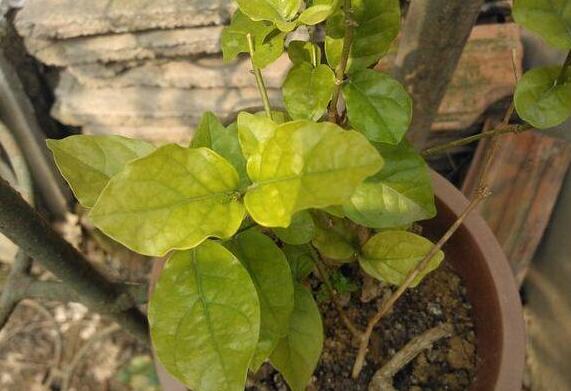
What to Do When Jasmine Leaves Turn Yellow? 7 Great Tips to Bring Jasmine Back to Life
Although jasmine is an extremely easy flower to grow, this is only relatively true, because once it is improperly cared for, or you neglect it for a long time, jasmine can also fall ill, after which symptoms such as yellowing leaves, reddening leaves, or even complete leaf drop will appear. So what should you do when jasmine leaves turn yellow? Actually, there is no need to worry
-
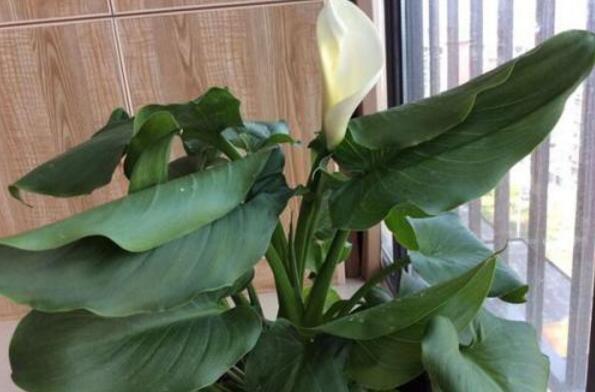
Why is my calla lily plant wilting? Do these 4 things to bring it back to life
The beauty of the calla lily lies in its neat, upright plant form and in its pure white, delicate flowers. Every year as the year draws to a close, the calla lily blooming season arrives, and we can enjoy a visual feast. However, due to improper care and other reasons, the plant can develop problems, such as yellowing and wilting calla lily leaves.
-

What to do when anthurium flowers wilt? Six tricks to bring them back from the dead, except for natural wilting
Anthurium flowers are bright red and look like a palm. Although they are very beautiful and highly ornamental, they also wilt very easily. After blooming, if care is improper, they will wilt and fade within a short time. So what should you do when anthurium flowers wilt? The editor will teach you six commonly used methods. What to do when anthurium flowers wilt, usually
-
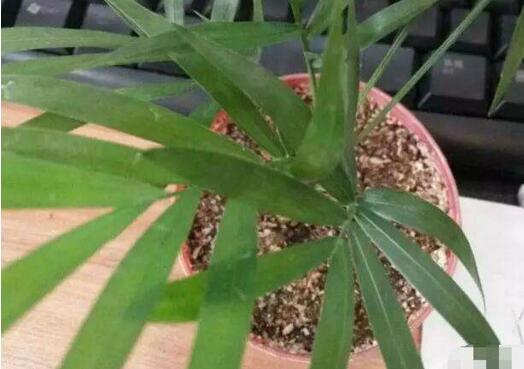
What to Do When Areca Palm Leaves Turn Yellow? Eight Simple Methods to Bring the Leaves Back to Green
Yellowing leaves on an areca palm is a very frustrating thing, as it not only affects its appearance but also threatens its health. So when we encounter yellowing areca palm leaves, what should we do? Understanding several common causes and their solutions becomes very important. After looking into what to do when areca palm leaves turn yellow, the editor found
条件筛选