-
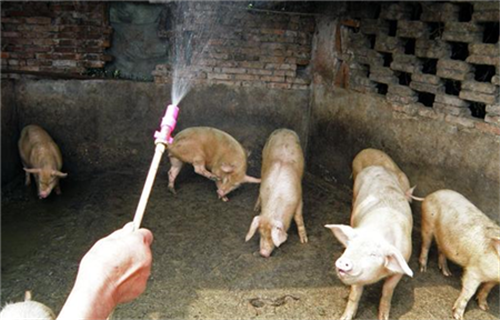
To reduce the risk of virus transmission through feedback feeding, the key lies in correct operating procedures
The correct operating procedures for reducing the risk of virus transmission through feedback feeding - the key lies in these few steps
-
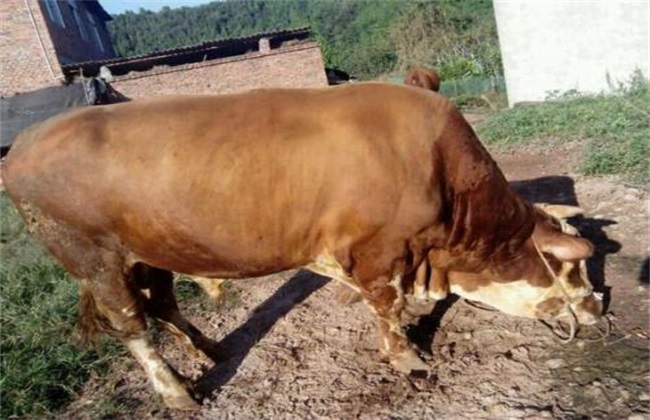
What are the drawbacks of free-range cattle farming in rural areas? Keepers must not ignore them
What are the drawbacks of free-range cattle farming in rural areas
-

What kind of snake is the tiger keelback? An introduction to its physical features and habits
Tiger keelback (Rhabdophis tigrinus), with a total body length of nearly 1000 mm. The dorsal surface of the body is emerald green or grass green; on both sides of the front part of the body there are thick black and orange-red patches arranged alternately, and on both sides of the nape there is a pair of thick black "eight"-shaped markings. Distribution: widely distributed across the country; found in Tianjin, Hebei, Shanxi, Inner Mongolia, Liaoning, Jilin, Heilongjiang, Jiangsu, Zhejiang, Anhui, Fujian, Taiwan, Jiangxi, Shandong, Henan, Hunan, Hubei, Guangxi, Sichuan, Guizhou, Yunnan, Tibet, Shaanxi, Gansu, Qinghai, Ningxia and other places
-
How to nurse weak autumn ducks back to health? Scientific methods are key
In autumn, temperatures gradually drop, the temperature difference between day and night is large, and daylight hours become shorter. Autumn ducks hatched the previous year, after laying eggs for most of the year, are already very fatigued; if there is the slightest carelessness in management, they will stop laying and molt. Laying ducks hatched in early spring begin laying from late September to mid-October. At this time the weather gradually turns cooler, and the temperature difference between day and night is too great. Especially for free-range laying ducks, the food they can find in late autumn is scarce, which causes nutritional deficiency, affects egg production, and makes newly laying ducks "drop eggs." Therefore, rural laying duck farming has
-
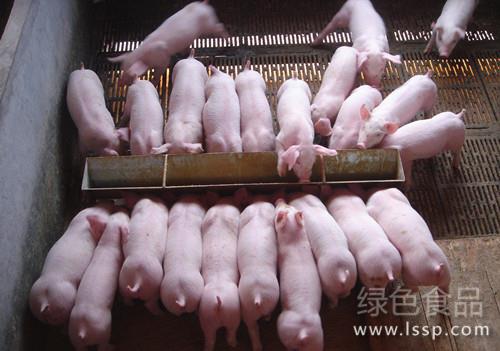
A pig's rectum has prolapsed from the anus and cannot be pushed back in; how should prolapse of the anus be prevented and treated?
How to prevent and treat prolapse of the anus in pigs when the rectum has prolapsed from the anus and cannot be pushed back
-
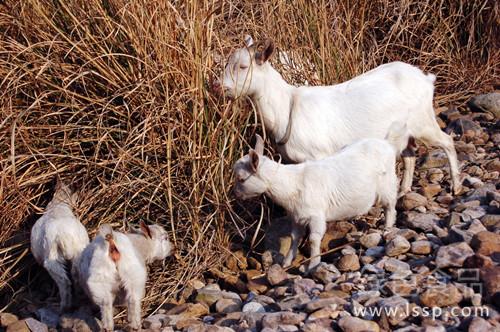
Lamb with arched back, lying down, weak limbs, not moving? White muscle disease prevention and treatment methods are here
Arched back, preferring to lie down, weak limbs, not moving: prevention and treatment methods for lamb white muscle disease
-
What treatment works well for chickens that crane their heads back to look at the sky and kneel on the ground?
In the process of raising chickens, you will often come across some chickens with strange, bizarre postures: the first is the head tilted backward, with both eyes looking up at the sky. The second is walking while kneeling on the ground. What disease are these two postures in chickens a sign of, and what methods are used to treat them? The first strange posture: head tilted backward, both eyes looking up at the sky. It is a sign that the chicken has VB1 deficiency. VB1, also known as thiamine, is a substance essential for carbohydrate metabolism in the chicken's body. Nervous tissue relies on the oxidation of carbohydrates to supply energy; if VB1 is deficient, then because of insufficient energy supply to its nervous tissue, nutritional disorders of the nerves will appear, leading to functional imbalance, and the sick chicken will show multiple neuritis. VB1 deficiency also slows the chicken's intestinal peristalsis, relaxes the intestinal wall, reduces appetite, and stunts growth. VB1 deficiency can occur in chickens of all ages, but chicks and young chickens are affected more often. Sick chickens have weakness in both legs and an unsteady gait; because of inflammation of the peripheral nerves, the head bends extremely backward, in a shape that looks like gazing at the sky. Prevention and treatment: First, supply enough VB1 in the chicken's diet; adding 0.8 to 0.9 mg per kilogram of feed for young chickens and adult chickens, and 1.5 mg per kilogram of feed for chicks, can prevent the occurrence of this disease; second, for chickens already affected, intramuscular injection of 5 mg of thiamine (the amount for one chicken), once a day, for five to seven consecutive days, gives an extremely good therapeutic effect.
-
When can the origin of dogs be traced back to?
The oldest domestic dog fossil discovered so far is about 1,200 years old. But people still cannot accurately determine when it began to change into the domestic dog. In ancient times, the many similarities between wolves and humans in their way of life made the process of wolves changing from wild beasts into domestic dogs simple. At that time, wolves, like humans, ran everywhere in search of food. People often gave leftover food to the wolves, and the wolves gradually became familiar with humans, always following human footprints, indicating nearby herds in advance and warning of dangerous situations. People were also interested in wolves,
-

How much does a keelback snake cost? Detailed guide to breeding methods
Keelback snake prices and breeding methods
-
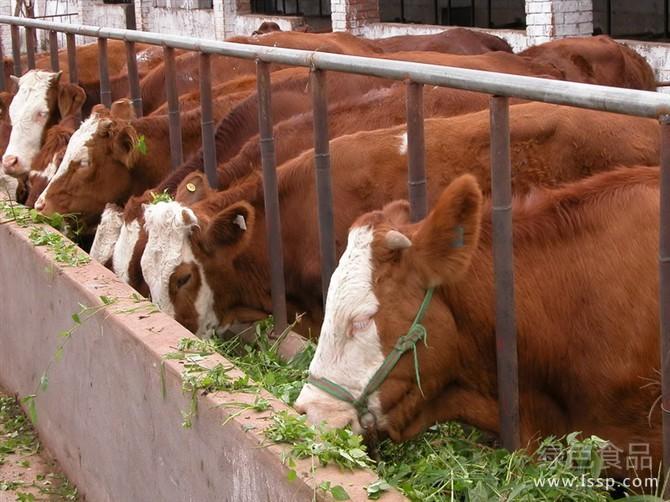
New Method of Saving Feed in Beef Cattle Farming by Changing Backward Breeding Practices
New Method of Saving Feed in Beef Cattle Farming by Changing Backward Breeding Practices
条件筛选