-
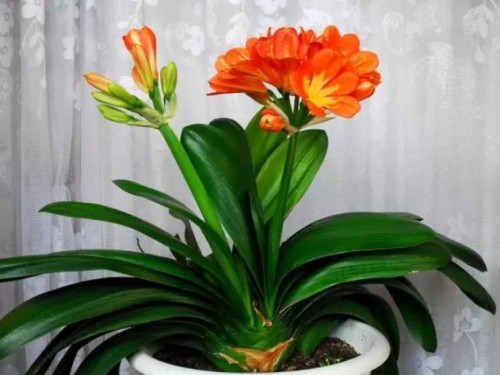
How to Deal with Root Rot in Clivia? A Few Remedies to Save It
Once root rot strikes a flowering plant, it quickly causes the above-ground parts to wither and die. If the rot is non-infectious, the plant should be taken out of its pot as early as possible, the rotten roots cut off, and after repotting it should be placed in a semi-shaded spot and cared for carefully. If it is discovered early and treated promptly, it can be saved; but if too much time has passed and the plant has lost too much water, there is no way to save it.
-
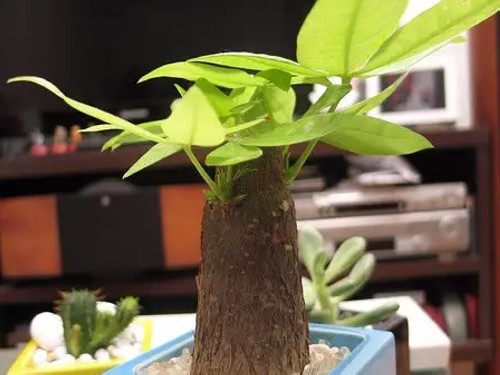
How to Rescue a Money Tree with Root Rot? Detailed Guide to Saving a Potted Plant
The money tree (Pachira aquatica) is a popular potted plant. It can be sown when temperatures reach above 20°C, and the germination rate from seed is quite high. Compared with purchased potted cuttings, a money tree grown from your own seed is easier to care for. Money trees do not like water, and overwatering can cause root rot. But the plant shows symptoms rather slowly
-
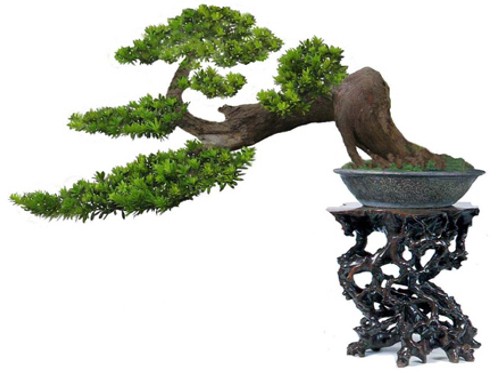
A Detailed Guide to the Care of Buddhist Pine (Podocarpus macrophyllus) Bonsai with Needle-like Leaves
The Buddhist pine bonsai has a lush, elegant, and vigorous tree form, with leaves that stay fresh green all year round, giving a sense of strength and purity. If combined with rocks, shaped into an eagle-claw-embracing-rock posture, it becomes even more antique and distinctive. Grouping Buddhist pine with bamboo and rocks makes an extremely elegant scene. A forest-style Buddhist pine bonsai, paired with grazing scenery, can give the enjoyment of wild charm.
-
Kiwi Fruit: Nutritional Composition, Its Relationship with Cancer, and How to Eat and Store It
Kiwi fruit (Kiwi-Fruit) is a perennial, evergreen climbing shrub of the Actinidiaceae family, bearing dioecious berries. It originated in southwestern China and the Yangtze River basin at altitudes of 1300-2600 m, while in Taiwan, China it is scattered in the mid-northern high-latitude mountain areas. Because its shape resembles
-
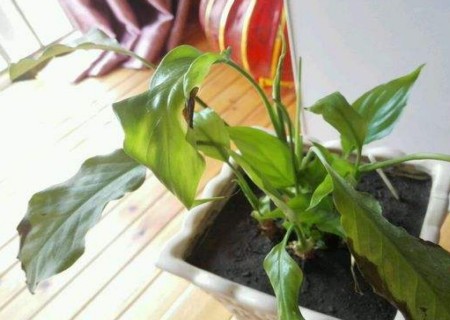
Causes and Solutions for Yellowing and Withering Leaves of the Peace Lily
The Peace Lily is actually what we commonly call the white spathe or white crane plant. From the name "Peace Lily," we can tell that it symbolizes smoothness, peace, auspiciousness and harmony. Because of its beautiful symbolism, many plant lovers like to keep a few pots of this green houseplant at home.
-
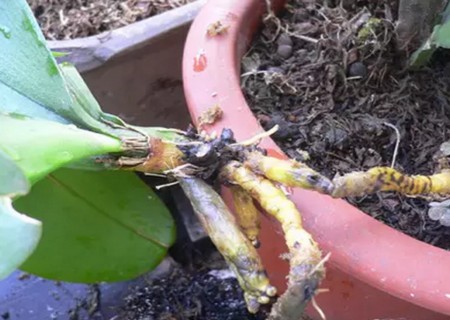
How to rescue a Phalaenopsis orchid with root rot? A few practical methods to teach you
Every Spring Festival, the Phalaenopsis orchid grows slender flower stems from its leaf axils, and then slowly blooms flowers that flutter like butterflies, adding plenty of festive Spring Festival atmosphere to the holiday. It is deeply loved by people and is honored as the "Queen of Orchids." The Phalaenopsis orchid has graceful flower forms, dancing like butterflies, and is named for this.
-
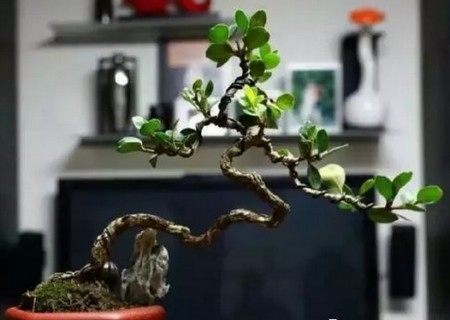
How to deal with root rot in bonsai? Learn these few tricks to easily save it
Through nature's baptism, the carving of time and the creativity of bonsai masters, potted plants can become a perfect bonsai masterpiece. Bonsai is often presented to the world full of elegance and beauty, and perfection is a kind of beauty, while flaws are sometimes a kind of beauty too, but there is one flaw that cannot be called beauty
-

What Kind of Corn Is Fruit Corn? Differences from Other Corn and How to Eat It
What is fruit corn? Is fruit corn easy to grow? Fruit corn is a type of sweet corn suitable for eating raw. Compared with ordinary sweet corn, its main characteristics are thin skin with no residue, a delicate texture, lots of juice, and a crisp, sweet taste; it can also be eaten after cooking. Fruit
-

Taiwan, China bananas exported to Japan with the help of blockchain technology, boosting industry innovation
When it comes to blockchain technology, cryptocurrency is the most widely known application, but through the decentralized database network architecture foundation of blockchain, it can actually be used in information encryption applications in various different scenarios. The International Affairs Division of the Council of Agriculture, Executive Yuan has been working since 2017
-
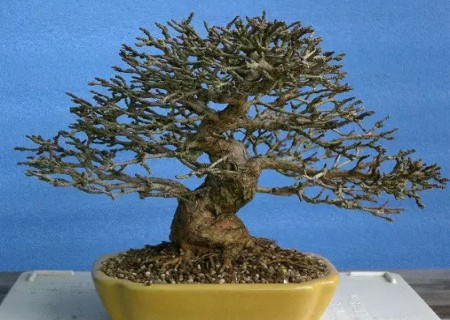
Illustrated guide to bonsai repotting methods, easy to learn with detailed steps
Everyone knows that the growing space for bonsai plants in a pot is limited after all. If they are not repotted for a long time, it may cause many growth problems, such as roots being unable to continue extending and showing signs of aging, the potting soil being unable to provide more nutrients, and pests and diseases invading the soil. Therefore, we need to repot them at the right time.
条件筛选