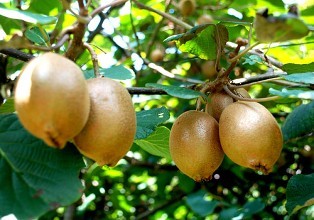
Kiwi Fruit: Nutritional Composition, Its Relationship with Cancer, and How to Eat and Store It
Kiwi fruit (Kiwi-Fruit) is a perennial, evergreen climbing shrub of the Actinidiaceae family, bearing dioecious berries. It originated in southwestern China and the Yangtze River basin at altitudes of 1300-2600 m, while in Taiwan, China it is scattered in the mid-northern high-latitude mountain areas. It gets its name because its shape resembles the kiwi, the national bird of New Zealand.
The Nutritional Composition of Kiwi Fruit
The U.S. Food and Drug Administration (FDA) lists kiwi fruit as one of 30 anti-cancer fruits and vegetables. In terms of vitamin C alone, an equal amount of kiwi fruit contains 5-10 times more than citrus, 11-13 times more than lemon, and 20-80 times more than apple. Usually, eating one kiwi fruit provides 70-80 mg of the daily vitamin C supply.
The Relationship Between Kiwi Fruit and Cancer
Kiwi fruit is rich in vitamin C, and its absorption and utilization rate by the human body is as high as 94%. It can boost the body's immunity, block the formation of the carcinogen "nitrosamine," prevent reactive oxygen species and carcinogens from damaging genes, and can help prevent the formation of stomach cancer, esophageal cancer, liver cancer, and colorectal cancer.
Kiwi fruit is a green fruit and vegetable, containing yellow pigments that help the human body produce lutein, which can help prevent the formation of lung cancer and prostate cancer. In addition, most of the fiber in kiwi fruit is pectin, which can absorb carcinogens and promote their excretion from the body earlier, inhibit the reproduction of harmful bacteria, and achieve the effect of preventing colorectal cancer. It also contains a lot of tannic acid, which is a type of polyphenol; it is strongly antiviral and can protect the surface of normal cells so that viruses cannot invade and obtain nutrients. It also contains polypeptides that strengthen cells' anti-cancer ability and block harmful substances from invading the human body. For cancer treatment, those with nausea and vomiting can eat some unripe raw fruit, which has the effect of suppressing vomiting. Kiwi fruit is high in potassium, which can balance the electrolyte imbalance in patients, and is therefore also a fruit that can be eaten during the recovery period after illness.
The Relationship Between Kiwi Fruit and Other Diseases
Kiwi fruit is a cooling food. People with excessive internal heat, those who often stay up late, or those with cold sores at the corners of the mouth can eat some kiwi fruit. At the same time, because vitamin C can accelerate the conversion of triglycerides and cholesterol into bile acids, it maintains the elasticity of blood vessel walls, making it less likely to cause atherosclerotic changes, vascular hardening, and high blood pressure. Consuming more than 75 mg of vitamin C per day (about one kiwi fruit) can prevent periodontal disease and stomatitis, increase appetite, improve immunity, and help with viral colds, eliminating fatigue, promoting healthy vision, healthy bones and teeth, preventing aging, and reducing or fading skin freckles. Because of the interaction of its various amino acids, pantothenic acid, folic acid, magnesium, tyrosine, copper, and iron, it also has the effect of darkening hair and beautifying the skin.
The cellulose contained in kiwi fruit makes it a top-choice food for people with constipation. The proteolytic enzymes it contains can help digest protein and meat and prevent protein coagulation. Because it is high in potassium, people with weaker kidney function, those with uremia, or those undergoing dialysis are advised to eat less.
How to Eat Kiwi Fruit
Fresh eating: Choose ripe, slightly springy fruit whose flesh is emerald green. Cut it in half and scoop it out with a spoon; if it is sour, add fruit sugar.
Chinese-style serving: Slice or dice kiwi fruit and add it to yogurt (this can provide dietary fiber).
Western-style serving: Mixed salad, kiwi fruit, strawberry, grape, cantaloupe, and cherry tomato combined into a fruit salad, rich in vitamins and minerals.
Selecting and Storing Kiwi Fruit
Choose fruit that is large, normally shaped, with healthy fuzz on the skin, moderate ripeness, and flesh that is slightly soft and springy, with no frost damage, bruising, or rot. If you want to eat it right away, choose fruit that is soft, ripe, and fragrant. After buying it at the market, it can be placed in a plastic bag (to prevent pressure and frost damage) and stored at room temperature. When a fruity aroma appears (three to five days), the stem end is soft and the skin underneath is springy (do not press hard at this point, to prevent bruising), and it is ready to eat.